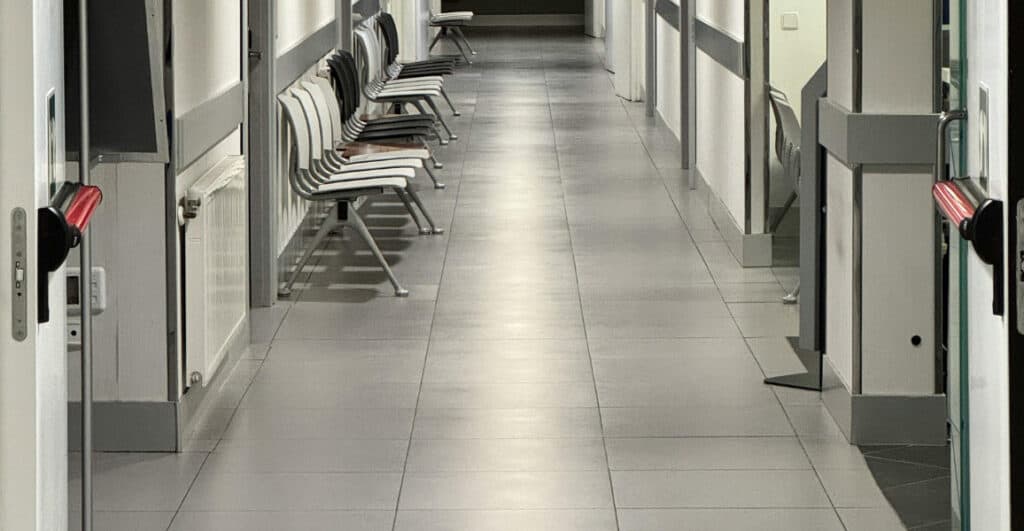
Healthcare environments demand a level of cleanliness that goes far beyond what most people ever see. When you walk into a GP surgery first thing in the morning, or step into a dental practice between appointments, you can feel the difference immediately. These are places where people arrive with vulnerabilities — weakened immune systems, open wounds, respiratory conditions, or illnesses that can spread quickly. In these settings, cleaning isn’t just about appearance. It’s about safety, compliance and trust.
At Green Fox Cleaning, we’ve spent years working inside medical environments of every size. We’ve cleaned treatment rooms where precision matters, waiting rooms that see hundreds of people a day, and care settings where infection control is woven into daily life. Over time, you start to understand the rhythm of these buildings — the pressure points, the high‑risk areas, the moments where a cleaner’s attention to detail makes a measurable difference. Healthcare cleaning is its own discipline, and this guide brings together everything we’ve learned from supporting clinics, surgeries and care providers across the UK.
(How to Prevent Cross‑Contamination in Medical Settings)
Why specialist healthcare cleaning matters
Medical settings are high‑risk environments. A single missed touchpoint or incorrectly used chemical can compromise patient safety. We’ve seen how quickly bacteria can spread in a waiting room during flu season, and how a poorly cleaned treatment couch can increase the risk of cross‑contamination. When you’re dealing with vulnerable patients, there’s no margin for error.
Healthcare cleaning requires a different mindset. It’s not about “making things look clean”. It’s about understanding how infection spreads, how to break that chain, and how to maintain a safe environment even during the busiest clinic days.
(The Importance of Correct Chemical Contact Times in Medical Environments)
What professional healthcare cleaning actually involves
Every healthcare building has its own flow. A GP surgery has a very different rhythm to a dental practice. A physiotherapy clinic works differently to a care home. But the principles remain the same: clean, disinfect, protect.
GP surgeries
GP surgeries are some of the busiest environments we work in. Waiting rooms fill quickly, treatment rooms turn over constantly, and touchpoints accumulate germs faster than most people realise. We’ve cleaned surgeries where the blood pressure room needed more attention than the main waiting area simply because of how often it was used.
Dental practices
Dental surgeries require precision. Fine debris, aerosols and constant patient turnover mean surfaces must be disinfected correctly and consistently. We’ve supported practices where adjusting the cleaning sequence between appointments made the entire workflow smoother for clinicians.
Clinics and treatment rooms
Physiotherapy rooms, podiatry clinics, minor injury units — each has its own risks. Treatment couches, equipment, sinks and touchpoints all need careful attention. We’ve cleaned clinics where switching to products with shorter contact times helped staff maintain hygiene without slowing down appointments.
Care homes
Care settings require a balance of infection control and sensitivity. Residents often have complex health needs, and cleaning must be thorough without being intrusive. We’ve worked in care homes where the cleaning team became part of the community, supporting staff and residents with professionalism and care.
(Daily Cleaning Checklist for GP Surgeries & Clinics)
Infection control and decontamination
In healthcare, infection control is everything. It’s not enough to wipe a surface — it must be disinfected correctly, using products that meet medical standards and remain on the surface long enough to work.
One of the most common issues we see is the “spray and wipe” habit. A disinfectant is sprayed, wiped off immediately, and the surface looks clean but hasn’t been disinfected at all. When we train teams on correct contact times, the difference in hygiene is immediate.
We also focus heavily on preventing cross‑contamination. Colour‑coding, correct sequencing and proper cloth usage are essential. We’ve taken over sites where the same cloth was being used in treatment rooms and waiting rooms — not out of carelessness, but because the system wasn’t clear. Once corrected, infection‑control levels improved dramatically.
(Why Colour‑Coding Matters in Healthcare Cleaning)
(How to Prevent Cross‑Contamination in Medical Settings)
CQC compliance and audit support
CQC inspections place a strong emphasis on cleaning standards, documentation and infection‑control processes. We’ve supported practices through inspections where cleaning logs, schedules and evidence of training played a key role.
- A compliant cleaning routine includes:
- documented schedules
- clear evidence logs
- correct product usage
- trained staff
- consistent auditing
When cleaning is structured and recorded properly, compliance becomes far easier — and far less stressful.
(What Are CQC Cleaning Requirements?)
Staff vetting, confidentiality and professionalism
Cleaners in healthcare settings often work early mornings, late evenings or during quieter periods when fewer staff are present. That means trust is essential.
Every cleaner we place in a medical environment is enhanced DBS‑checked, trained in confidentiality and fully briefed on patient privacy. We’ve worked in clinics where cleaners became trusted members of the team — the people who notice when something is out of place, who report concerns and who help maintain a safe environment for patients and staff.
(Why DBS‑Checked Cleaners Are Essential in Healthcare Settings)
Specialist equipment and products
Healthcare cleaning requires more than standard commercial products. We use medical‑grade disinfectants, microfibre systems, disposable cloths for high‑risk areas, PPE and products with short, effective contact times. We’ve taken over sites where incorrect products were being used on clinical surfaces, and the difference after switching to medical‑grade solutions was immediate.
Out‑of‑hours vs in‑hours cleaning
Some healthcare settings prefer cleaning after hours, when the building is empty. Others need daytime cleaning to keep waiting rooms, toilets and treatment areas hygienic throughout the day. We’ve supported clinics that switched to a hybrid model and saw immediate improvements in hygiene and patient experience.
Deep cleaning and periodic services
Daily cleaning keeps a healthcare setting running smoothly, but periodic deep cleaning is essential for long‑term hygiene and compliance. We’ve carried out deep cleans where waiting rooms felt noticeably fresher, treatment rooms looked brighter and the entire building felt more professional.
(Deep Cleaning in Healthcare — How Often Should It Be Done?)
Why healthcare providers trust Green Fox Cleaning
Healthcare providers choose Green Fox Cleaning because we understand the sector inside out. Our teams are trained, vetted and supported by supervisors who know the importance of infection control, confidentiality and consistency. When you walk into a treatment room that feels clean, safe and ready for the next patient, you know the cleaning team has done their job well.
In summary
Healthcare cleaning isn’t just about appearance — it’s about safety, compliance and patient wellbeing. With the right cleaning partner, clinics, surgeries and care settings can maintain a hygienic environment that supports staff, protects patients and meets regulatory standards.
If you’d like to learn more about how we support healthcare providers across the UK, you can visit our healthcare cleaning page here:
👉 Healthcare And Medical Cleaning Service