We would love to hear from you, to discuss how our business can help yours. We would be delighted to visit your premises to provide a free no obligation quote, whether you are yet to employ a cleaning company, or if you are unhappy with your current one. You can either call us on 0333 050 1139 or fill in this form - We will call you back as soon as possible.
Can you remove water marks from leather (Quick easy 5 cleaning tips to clean leather)
Table of Contents
Leather can look fantastic when it’s at its best — but water marks can ruin the appearance of office chairs, shoes, bags and many other leather items surprisingly quickly.The good news is that with the right approach, you can clean leather and remove water marks safely.
Do you know how to clean leather easily?
Below is a simple five‑step process that works on most leather types, whether tan, black or brown. The key is patience — leather responds best to gentle, steady cleaning rather than rushing.
How to clean leather and remove water marks – 5‑step process
Step 1 – Act quickly
It sounds obvious, but the longer water sits on leather, the more likely it is to leave a permanent mark. If you catch the spill early, blot it gently with a soft cloth to remove as much moisture as possible.
Quick action makes a huge difference.
Step 2 – Dampen a soft cloth
Choose the softest cloth you have — microfibre works well.
Dampen it lightly with room‑temperature or slightly warm water. Avoid cold water straight from the tap, as leather doesn’t respond well to sudden temperature changes.
Do not use soap, detergents or chemicals at this stage. Just water.
Step 3 – Rub gently in a circular motion
Start at the centre of the water mark and work outward in slow, circular motions. Once you choose a direction, stick with it for the entire process.
This step takes patience. Pressing too hard or rushing can damage the leather’s surface. The goal is to gently re‑moisten the area and blend the water mark into the surrounding leather.
Think of it as coaxing the stain out rather than scrubbing it away.
Step 4 – Let the leather dry naturally
If the area becomes too wet, blot lightly with a dry cloth.
Then leave the leather to dry slowly and naturally.
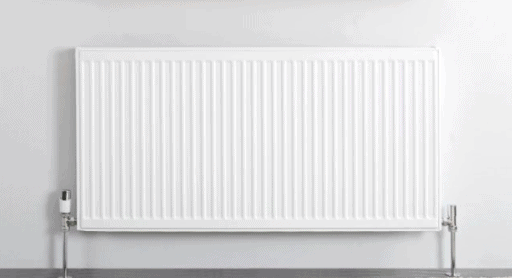
Do not place it near a radiator, heater or in direct sunlight. Forced heat can cause cracking, shrinking or stiffening — and once leather cracks, there’s no easy fix.
Natural drying is essential for a smooth, even finish.
The process to clean leather requires natural, not aided drying
Step 5 – Apply a leather cleaner or conditioner
Once the leather is fully dry, apply a leather cream or conditioner.
This restores moisture, improves flexibility and helps waterproof the surface.
Use light circular motions and follow the instructions on the product packaging. Conditioning also helps prevent future water marks.
Why water marks appear on leather
Water marks form because leather absorbs moisture unevenly. When one area gets wet and the surrounding area stays dry, the fibres swell at different rates. As the leather dries, this creates a visible ring or patch.
It’s not dirt — it’s simply uneven absorption.
That’s why gently re‑wetting and blending the area works so well.
When water marks won’t come out
Most water marks can be removed with the steps above. But if the leather has been soaked, left wet for a long time or is very old, the stain may be deeper in the fibres.
In those cases, a professional leather restorer may be needed. They can re‑treat the leather, recolour faded patches and restore the finish.
For valuable items — like high‑end bags or antique furniture — it’s often worth getting expert help rather than risking further damage.
The history of leather
Leather is one of humanity’s oldest and most useful materials. Early humans used hides for clothing, footwear and shelter long before modern heating or insulation existed.
Even today, hides are a by‑product of the meat, dairy and wool industries — not the primary product. Around half of all leather produced is used for shoes, with clothing and upholstery making up most of the rest.
The methods for caring for and cleaning leather have evolved massively over the years, but the principles remain the same: gentle cleaning, slow drying and regular conditioning.
In summary
We hope you’ve found this guide on how to clean leather and remove water marks useful. With the right technique and a bit of patience, you can restore leather to a presentable condition without causing damage.
Green Fox Cleaning provide a wide range of cleaning services, including commercial cleaning across all sectors. Click here to learn more about us, and how we can help improve the appearance of your business.