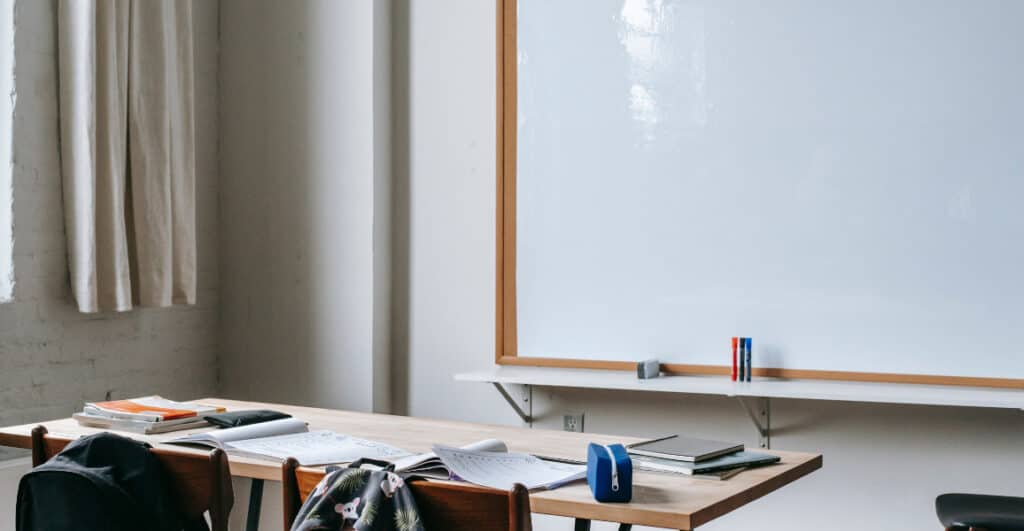
If you spend any time in a school, you quickly realise that classrooms are the perfect environment for germs to travel. Dozens of hands touch the same desks, door handles, glue sticks, keyboards and resources every single day. Add in shared equipment, close seating and the occasional sneeze that doesn’t quite make it into a tissue, and it’s no surprise that illnesses move quickly through a class.
At Green Fox Cleaning, we’ve worked in schools long enough to see the patterns. When cleaning routines are tight and staff understand how germs spread, attendance improves. When they’re not, you feel the impact almost immediately — more sick days, more cover lessons and a general sense that the school is “fighting something off”. The good news is that classrooms don’t need to be sterile laboratories to stay healthy. A few practical habits, combined with the right cleaning approach, make a huge difference.
(Article: Educational Cleaning Service: Complete Guide)
Why classrooms are high‑transmission spaces
Classrooms are busy, shared environments. Children move between activities, swap resources, lean over each other’s desks and touch the same surfaces repeatedly. Even in secondary schools, where students are more independent, the sheer volume of movement between lessons creates constant opportunities for germs to spread.
We’ve seen classrooms where a single sticky table can become a magnet for bacteria, and others where a forgotten box of shared pencils quietly becomes the most‑touched item in the room. Understanding these patterns helps schools put simple, effective measures in place.
1. Keep touchpoints genuinely clean
Touchpoints are the surfaces that get handled constantly — door handles, light switches, chair backs, taps, cupboard handles, and the edges of desks. These areas collect germs faster than anything else in a classroom.
One of the biggest issues we see is the “spray and wipe” habit. A product is sprayed, wiped off immediately, and the surface looks clean but hasn’t been disinfected at all. Cleaning chemicals need time to work, and if they’re wiped away too soon, they simply can’t do their job.
(What Are Cleaning Chemical Contact Times?)
2. Use the right cloths for the job
Microfibre cloths are incredibly effective at lifting bacteria from surfaces, but only when they’re used correctly and laundered properly. Disposable cloths, on the other hand, are ideal for high‑risk areas where cross‑contamination is a concern.
In classrooms, we often recommend a combination of both. Microfibre is excellent for daily desk cleaning, while disposable cloths are safer for sinks, craft areas or anywhere bodily fluids may be present.
(Microfibre or Disposable Cloths?)
3. Encourage quick clean‑as‑you‑go habits
Teachers already have more than enough to do, so we’re not suggesting they become cleaners. But small habits make a noticeable difference. A quick wipe of a glue stick lid, a shared mouse, or a paintbrush handle can prevent germs building up in the first place.
We’ve seen schools where a simple end‑of‑day “reset routine” — chairs tucked in, tables cleared, resources put away — allows the cleaning team to work more efficiently and reach the surfaces that matter most.
4. Don’t forget soft furnishings
Carpets, reading corners, cushions and fabric displays can harbour germs far longer than hard surfaces. Regular vacuuming helps, but periodic deep cleaning is essential to keep these areas hygienic.
We’ve cleaned carpets in schools where the difference after a deep clean is so dramatic that staff assume we’ve replaced them. Soft furnishings absorb everything from dust to spilled juice, and they need proper attention to stay safe.
5. Keep classroom supplies clean and rotated
Shared items — scissors, rulers, counters, toys, whiteboard pens — are some of the most‑handled objects in a classroom. They’re also the easiest to overlook.
We’ve seen great results in schools that rotate resources: one set in use, one set being cleaned. It doesn’t need to be complicated. Even a weekly wipe‑down of shared items can dramatically reduce germ spread.
(How to Clean Nursery Toys Safely)
6. Improve airflow where possible
Good ventilation reduces the concentration of airborne germs. Even opening windows for a few minutes between lessons can help, especially during colder months when classrooms tend to feel stuffy.
We’ve worked in older buildings where airflow is naturally poor, and in those cases, small changes — like propping doors open when safe to do so — make a noticeable difference.
7. Partner with a cleaning company that understands schools
Classrooms need more than a quick once‑over. They need cleaners who understand the rhythm of the school day, the difference between a Year 1 classroom and a science lab, and the importance of safeguarding and consistency.
At Green Fox Cleaning, our teams are trained specifically for educational environments. We use products with short contact times, colour‑coded systems to prevent cross‑contamination, and routines built around the way classrooms actually function.
A cleaner classroom means a healthier school
Reducing germ spread isn’t about perfection — it’s about consistency. When classrooms are cleaned properly, when touchpoints are disinfected, and when staff and students adopt simple habits, the whole school benefits. Attendance improves, illness drops and the building feels calmer and more cared for.
If you’d like to learn more about how we support schools across the UK, you can visit our educational cleaning page here:
👉 Educational Cleaning Service