If you’ve ever walked into a school first thing in the morning, you’ll know immediately whether the cleaning routine is working. Some buildings feel calm, fresh and ready for learning. Others feel like they’re still recovering from yesterday. The difference rarely comes down to effort — it comes down to structure. Schools need a cleaning schedule that reflects the way the building is actually used, not a generic checklist copied from an office environment.
At Green Fox Cleaning, we’ve spent years working inside nurseries, primary schools, secondary schools and colleges. We’ve seen the patterns: the classrooms that always need extra attention, the corridors that collect half the playground on a rainy day, the toilets that never seem to stay clean for long, and the canteens that go from spotless to chaotic in minutes. A well‑designed cleaning schedule doesn’t just keep a school looking good — it keeps it healthy, safe and functioning smoothly.
(Educational Cleaning Service: Complete Guide)
Why schools need a structured cleaning schedule
Schools are high‑traffic environments. Hundreds of people move through the same spaces every day, and the building never really rests. Classrooms are used back‑to‑back, toilets see constant footfall, and communal areas become gathering points between lessons. Without a structured routine, cleaning becomes reactive — and reactive cleaning always leads to missed areas, inconsistent standards and higher infection risk.
A good schedule creates rhythm. It ensures the right areas are cleaned at the right times, using the right methods. It also helps cleaners work more efficiently, because they know exactly what needs doing and when.
Daily cleaning tasks
Daily cleaning is the backbone of any school hygiene plan. These are the tasks that keep the building functioning day‑to‑day and prevent dirt from building up.
In classrooms, this usually means wiping desks, cleaning touchpoints, emptying bins, vacuuming or mopping floors and resetting the room so it’s ready for the next day. We’ve learned that even small touches — like straightening chairs or wiping the underside of desk edges — make a noticeable difference to how a classroom feels in the morning.
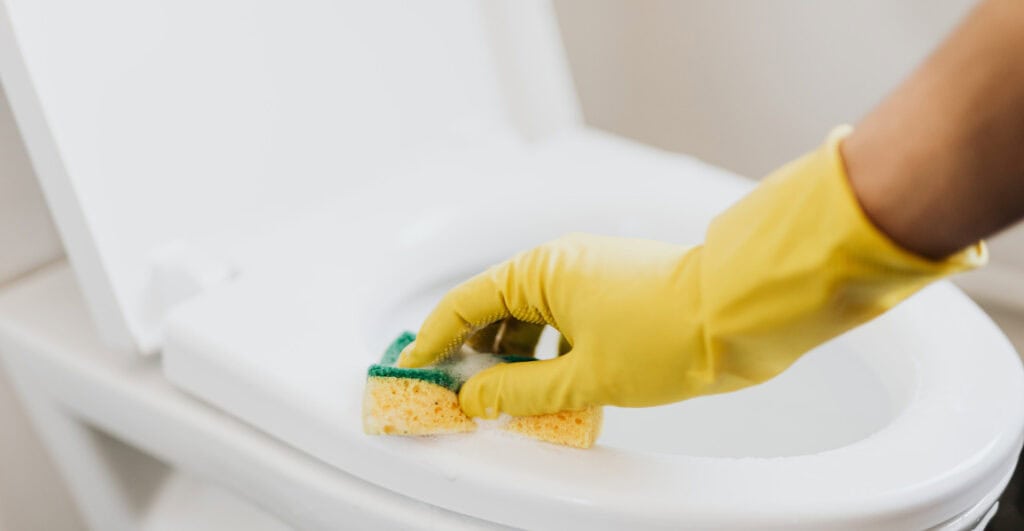
Toilets require more frequent attention. They’re one of the highest‑risk areas in any school, and they need consistent, methodical cleaning. Colour‑coded cloths, correct chemical contact times and a structured sequence are essential to prevent cross‑contamination.
Canteens and food areas also need daily cleaning, especially after lunch service. Food debris, spills and fingerprints build up quickly, and if they’re not dealt with properly, they attract pests and create hygiene issues.
(How to Reduce Germ Spread in Classrooms)
(How to Clean School Toilets Properly)
Weekly cleaning tasks
Weekly tasks focus on areas that don’t need daily attention but still require regular care to stay hygienic and presentable.
This often includes deeper dusting, cleaning skirting boards, wiping down doors, polishing glass, refreshing communal areas and giving sports halls a more thorough clean. In some schools, ICT rooms also benefit from a weekly reset — keyboards, mice and screens collect fingerprints and dust faster than most people realise.
We’ve seen schools where weekly tasks make the biggest difference to how the building feels. When these jobs are done consistently, the school maintains a sense of order that parents and visitors notice immediately.
Termly and holiday deep cleaning
Deep cleaning is where schools really see the long‑term benefits. Daily cleaning keeps things ticking over, but deep cleaning resets the building. We usually carry out these services during half‑terms, Easter and the summer holidays, when the building is quieter and cleaners can work without disruption.
Deep cleaning often includes carpet cleaning, floor stripping and sealing, high‑level dusting, sports hall floor maintenance, kitchen extraction cleaning and a full refresh of classrooms. We’ve transformed schools over the summer where staff return in September and genuinely think the building has been refurbished.
Deep cleaning also helps reduce illness. When carpets, soft furnishings and hard‑to‑reach areas are properly cleaned, bacteria and allergens drop significantly.
(How Often Should a School Be Deep Cleaned?)
In‑hours vs out‑of‑hours cleaning
Some schools prefer cleaning after hours, when the building is empty. Others need daytime cleaning to keep toilets, canteens and corridors under control. In reality, most schools benefit from a blend of both.
Out‑of‑hours cleaning allows for deeper work without interruption.
In‑hours cleaning keeps high‑traffic areas hygienic throughout the day.
We’ve worked with schools that switched to a hybrid model and saw immediate improvements in cleanliness and staff satisfaction.
Why a good cleaning schedule improves attendance
Cleanliness isn’t just about appearance — it’s about health. Schools with strong cleaning routines see fewer outbreaks of illness, fewer staff absences and fewer days lost to sickness. When classrooms are disinfected properly, when touchpoints are cleaned consistently and when toilets are maintained throughout the day, the whole school benefits.
We’ve seen attendance improve in schools that tightened their cleaning schedules. It’s one of the simplest, most cost‑effective ways to support student wellbeing.
How Green Fox Cleaning builds cleaning schedules for schools
We don’t use generic templates. Every school is different, and every building has its own rhythm. When we take on a new educational site, we walk the building, speak to staff, understand the timetable and identify the areas that need the most attention.
Our schedules are built around:
- the age of the students
- the layout of the building
- the school day
- high‑risk areas
- seasonal illness patterns
- safeguarding requirements
And because our cleaners are trained specifically for educational settings, they understand the difference between cleaning a nursery classroom and a sixth‑form study area.
A well‑structured cleaning schedule keeps your school healthy
When cleaning is consistent, structured and tailored to the building, everything runs more smoothly. Classrooms feel calmer, toilets stay hygienic, canteens look cared for and the whole school benefits from a healthier environment.
If you’d like to learn more about how we support schools across the UK, you can visit our educational cleaning page here:
👉 Educational Cleaning Service