Spend a single day walking through a school and you’ll quickly realise that dirt doesn’t spread evenly. Some areas stay relatively tidy, while others seem to attract mess, germs and general chaos no matter how often they’re cleaned. After years of working inside schools of every size and age, we’ve learned that certain spaces consistently top the list when it comes to hygiene challenges.
Understanding where dirt builds up — and why — is the first step in keeping a school healthy. Once you know the hotspots, you can target them properly and prevent small issues from becoming bigger problems. This is where a professional cleaning routine makes a noticeable difference.
(Educational Cleaning Service: Complete Guide)
1. Classroom desks and touchpoints
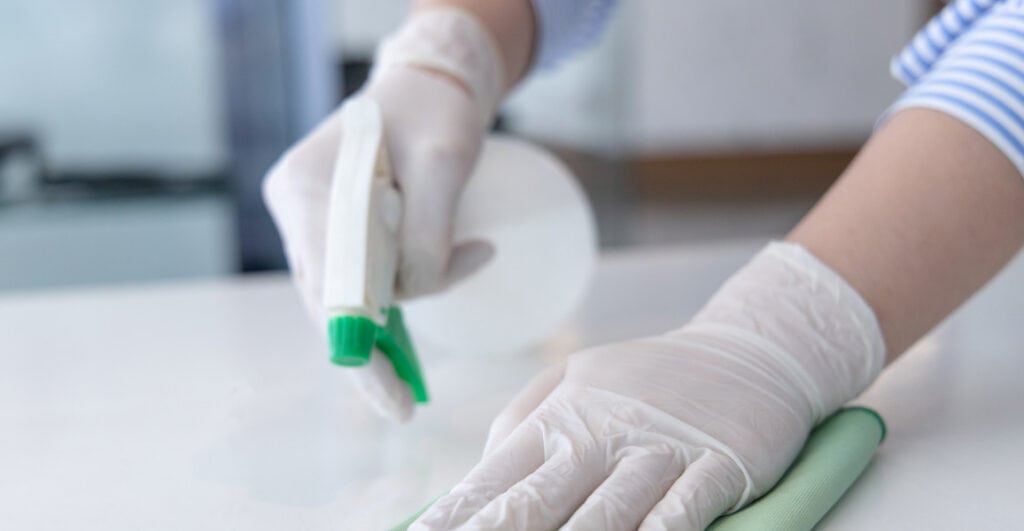
Classrooms are the heart of any school, and they’re also one of the biggest germ hubs. Desks, chair backs, door handles, light switches, shared pencils, glue sticks, whiteboard pens — everything gets touched repeatedly throughout the day. In younger year groups, the enthusiasm of learning often comes with sticky fingers, spilled drinks and the occasional mystery smear.
We’ve seen desks that look clean at a glance but reveal a surprising amount of grime when wiped properly. The key is consistency. Daily cleaning, correct chemical contact times and the right cloths make a huge difference.
(How to Reduce Germ Spread in Classrooms)
(Microfibre or Disposable Cloths?)
2. School toilets and washrooms
If there’s one area that never lies about the quality of a school’s cleaning routine, it’s the toilets. These spaces see constant footfall, and without a structured cleaning sequence, they deteriorate quickly. Younger pupils often need reminders about handwashing, and even in secondary schools, the sheer volume of use means surfaces become contaminated fast.
We’ve taken over sites where toilets were being cleaned with the same cloths used in classrooms — not out of carelessness, but because the system wasn’t clear. Colour‑coding, proper sequencing and correct chemical usage are essential to keep these areas hygienic.
(How to Clean School Toilets Properly)
(What Are Cleaning Chemical Contact Times?)
3. Canteens and dining halls
Food areas are another major hotspot. Spills, crumbs, greasy fingerprints and dropped food accumulate quickly, especially during busy lunch periods. Canteens also attract pests if not cleaned properly, which is why food‑safe cleaning products and consistent routines are so important.
We’ve seen schools where a simple lunchtime wipe‑down routine transformed the cleanliness of the entire dining area. When these spaces are cared for, students treat them with more respect too.
(School Canteen Cleaning Guide)
4. Sports halls and changing rooms
Sports halls look clean from a distance, but they collect sweat, dust and odours faster than almost any other area. Changing rooms, in particular, can become unpleasant quickly if not cleaned thoroughly. Floors need proper maintenance, and high‑touch areas like benches, lockers and door handles require regular disinfection.
We’ve worked with schools where sports hall floors were dull and slippery due to years of incorrect cleaning. Once we introduced the right products and methods, the difference was immediate — and PE staff noticed it straight away.
5. ICT rooms and shared equipment
Keyboards, mice, headphones and touchscreens are some of the most‑handled items in a school, yet they’re often overlooked. We’ve cleaned ICT rooms where the keyboards alone held more dirt than an entire classroom floor.
A weekly wipe‑down of shared equipment, combined with daily touchpoint cleaning, keeps these areas hygienic and reduces the spread of germs between classes.
6. Carpets and soft furnishings
Carpets, reading corners, cushions and fabric displays absorb everything — dust, allergens, spilled drinks and whatever students bring in on their shoes. Regular vacuuming helps, but deep cleaning is essential to keep these areas safe.
We’ve cleaned carpets in schools where the colour difference after a deep clean was so dramatic that staff assumed they’d been replaced. Soft furnishings need the same level of attention, especially in nurseries and early‑years settings.
(How to Keep School Carpets Clean)
(How to Clean Nursery Toys Safely)
7. Entrances and corridors
These areas act as highways for dirt. Mud, rainwater, leaves and playground debris all get tracked inside, especially during winter. Without regular cleaning, corridors quickly become dull, slippery and unhygienic.
We’ve seen schools transform their entrance areas simply by adjusting the cleaning frequency and using the right floor‑care products. First impressions matter — and entrances set the tone for the whole building.
Why these areas matter so much
The dirtiest areas in a school aren’t just cosmetic concerns. They’re the places where germs spread fastest, where students and staff are most at risk of illness and where cleaning mistakes have the biggest impact. When these hotspots are cleaned properly, the entire school benefits — attendance improves, the building feels cared for and staff feel supported.
How Green Fox Cleaning tackles school hygiene hotspots
We don’t use generic checklists. Every school has its own rhythm, its own challenges and its own high‑risk areas. When we take on a new site, we walk the building, speak to staff and build a cleaning plan that reflects how the school actually operates.
Our teams are trained specifically for educational environments, from infection control to safeguarding. They understand the difference between cleaning a nursery reading corner and a secondary school science lab — and they know how to keep each space hygienic, safe and ready for learning.
A cleaner school starts with understanding where dirt hides
Once you know the hotspots, you can target them properly. And when those areas are cleaned consistently, the whole school feels the benefit.
If you’d like to learn more about how we support schools across the UK, you can visit our educational cleaning page here:
👉 Educational Cleaning Service