We would love to hear from you, to discuss how our business can help yours. We would be delighted to visit your premises to provide a free no obligation quote, whether you are yet to employ a cleaning company, or if you are unhappy with your current one. You can either call us on 0333 050 1139 or fill in this form - We will call you back as soon as possible.
4 example of abrasive cleaners ( Abrasive cleaners Guide )
Table of Contents
What are abrasive cleaners?
Abrasive cleaners are designed to tackle medium‑to‑heavy soil — the stubborn marks that won’t budge with gentle wiping or standard cleaning products. They’re ideal for small, tough areas where grime has built up and needs a bit more force to remove.
These cleaners come in both powder and liquid form, and they contain tiny abrasive particles that provide the scrubbing power. Scouring pads, wire wool and similar tools also fall into this category.
The abrasive action comes from materials such as:
fine mineral particles
steel wool
copper fibres
nylon
metal fragments embedded in plastic
When combined with friction, these materials help lift stains, marks and residues that ordinary cleaners struggle with.
Dry abrasive cleaners – powdered products
Powdered cleansers are some of the most familiar abrasive cleaners. Their cleaning power comes from fine minerals such as:
calcite
quartz
silica
These particles physically scrub away dirt and grime.
Most powdered abrasives also contain small amounts of surfactants, which help remove oily residues — for example, greasy films around plugholes or on sinks.
Some powdered products include:
bleaching agents for food stains, drink spills or mould
oxalic acid or sodium hydrosulphite for rust removal
These added ingredients make them more effective for specific cleaning challenges.
Wet abrasive cleaners – liquid cleansers
Wet abrasive cleaners are liquid products containing suspended abrasive particles. They’re usually gentler than powdered abrasives but still offer strong cleaning power.
They’re ideal for:
sinks
baths
tiles
hard surfaces that need a deeper clean without scratching
Because the abrasives are softer and suspended in liquid, they reduce the risk of surface damage while still removing stubborn grime.
Disinfecting abrasive cleaners
Some abrasive cleaners also include antimicrobial chemicals, giving them disinfecting properties. A common example is household bleach, which many people use for both cleaning and disinfecting.
Any abrasive product with disinfecting capabilities will be clearly labelled as a disinfectant.
As with all disinfectants, they should be used in a two‑step process:
Clean the surface
Then disinfect it
This ensures the disinfectant can work effectively.
Abrasive cleaning tools
Abrasive cleaners aren’t just liquids and powders — tools also fall into this category. The most common are:
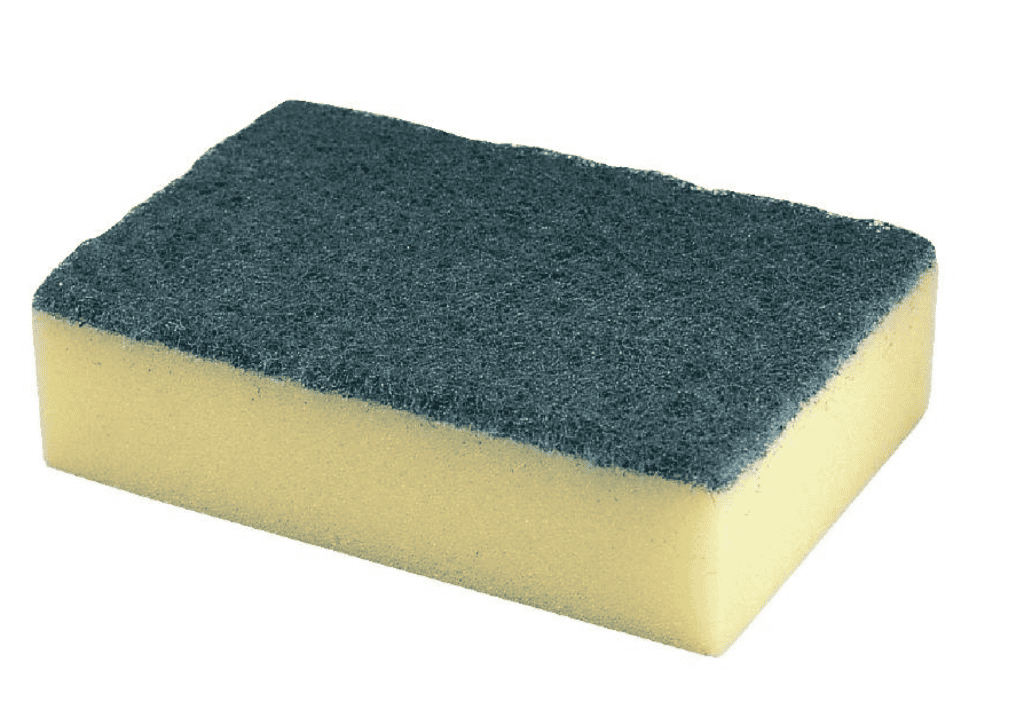
1. Scouring pads
Great for scrubbing sinks, tiles and cookware.
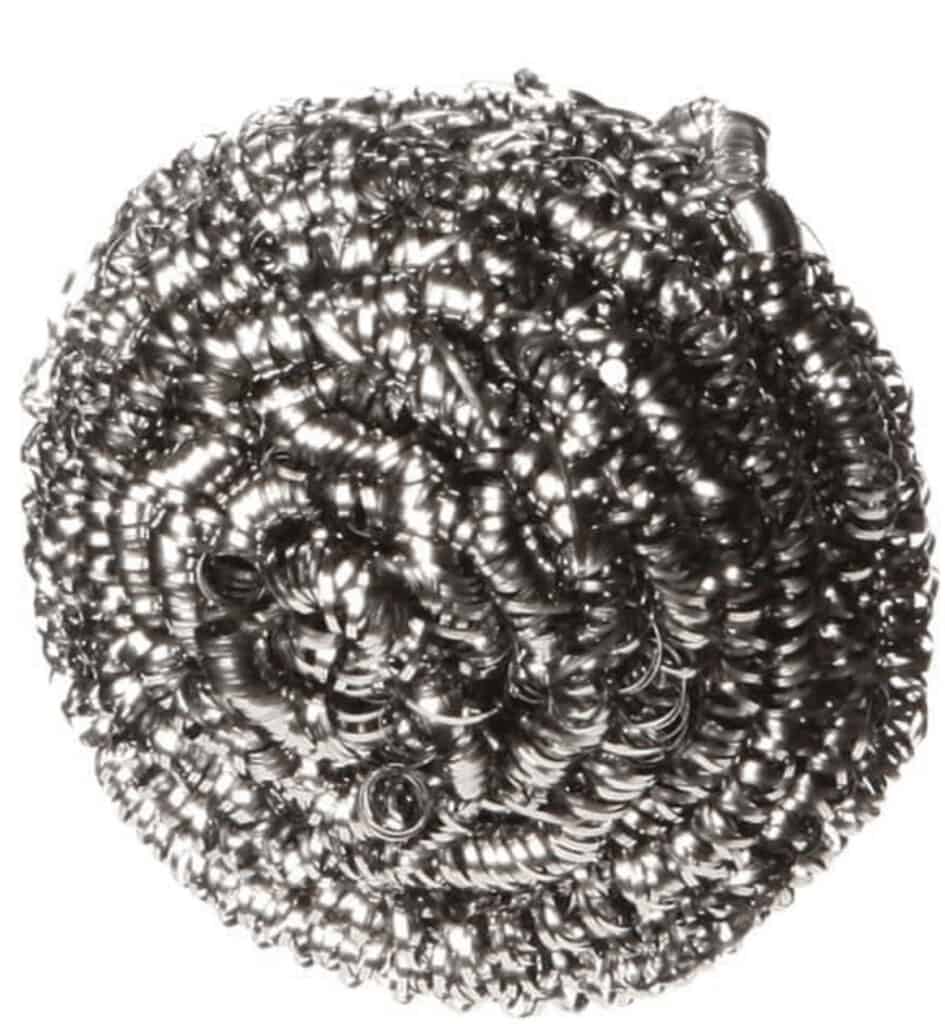
2. Wire wool scourers
Ideal for removing rust or baked‑on grime (but must be used carefully).
3. Copper scrubbers
Gentler than steel wool and less likely to scratch.
4. Nylon scrubbing pads
A safer option for more delicate surfaces.
These tools deliver excellent cleaning results when used correctly. However, they wear down over time. As the abrasive material breaks apart, the tool becomes less effective and may shed fibres — which can scratch surfaces.
Replace them as soon as you notice a change in performance.
When should abrasive cleaners NOT be used?
Abrasive cleaners are powerful, but they’re not suitable for every surface. Avoid using them on:
stainless steel appliances (unless the product specifically states it’s safe)
gloss or high‑shine finishes
soft plastics
acrylic baths
non‑stick cookware
delicate tiles or natural stone
glass or mirrored surfaces
Using abrasive products on the wrong surface can cause dulling, scratching or permanent damage. When in doubt, always test on a small, hidden area first.
Tips for using abrasive cleaners safely
To get the best results — and avoid accidental damage — keep these tips in mind:
Start with light pressure and increase only if needed
Rinse thoroughly to remove leftover particles
Avoid circular scrubbing on shiny surfaces
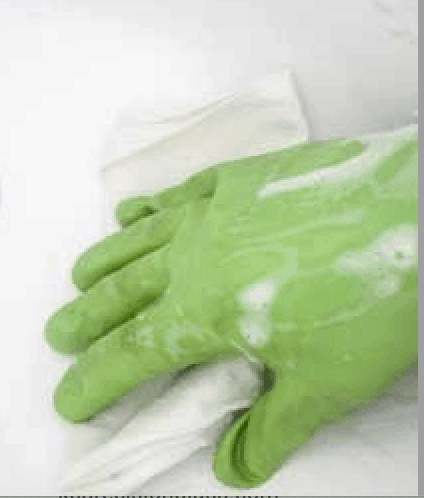
Wear gloves to protect your hands
Never mix abrasive cleaners with other chemicals
Check product labels for surface suitability
Replace worn pads before they start to break apart
A little care goes a long way when using abrasive products.
In summary
Abrasive cleaners and tools are excellent for tackling tough stains and stubborn marks — but they must be used with care. Always read the instructions, check that the product or tool is suitable for the surface you’re cleaning, and avoid using abrasives on delicate materials.
Simple checks at the start can prevent costly damage later on.