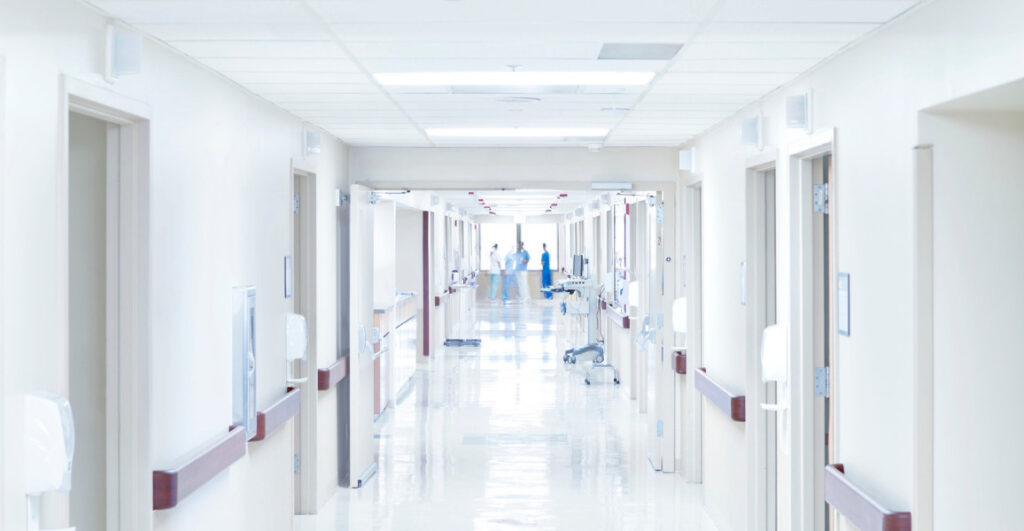
Deep cleaning in a healthcare environment isn’t something you notice when it’s done well — but you absolutely notice when it’s overdue. A GP surgery, dental practice or treatment clinic can look perfectly fine on the surface, yet still carry hidden build‑ups of dust, bacteria and debris in places that daily cleaning simply can’t reach. Over time, those areas start to affect the feel of the building, the air quality, and even the confidence of patients walking through the door.
At Green Fox Cleaning, we’ve carried out deep cleans in medical settings where the difference afterwards was remarkable. Floors looked brighter, treatment rooms felt fresher, and waiting rooms suddenly had that “new” feeling again. Deep cleaning isn’t just about appearance — it’s about resetting the environment so it stays safe, compliant and ready for the demands of a busy healthcare schedule.
(Healthcare & Medical Cleaning Complete Guide For Businesses)
Why deep cleaning matters in medical environments
Healthcare buildings work hard. Hundreds of people pass through them every week, and every one of those people brings in germs, dust, dirt and allergens. Daily cleaning keeps things under control, but it can’t reach everything. High‑level areas, behind furniture, under equipment, ventilation grilles, flooring edges — these are the places where dirt quietly builds up.
We’ve taken over sites where the daily cleaning was strong, but the deep cleaning hadn’t been done for months. Once we carried out a full reset, the entire building felt different. Staff commented on it. Patients noticed it. And the practice manager had far more confidence going into their next CQC inspection.
(What Are CQC Cleaning Requirements?)
How often should deep cleaning be done?
There’s no single rule that fits every healthcare setting, but we’ve seen clear patterns across the sites we support.
GP surgeries
Most surgeries benefit from a full deep clean every 3–6 months, depending on patient volume and the condition of the building. High‑traffic surgeries often need more frequent resets.
Dental practices
Dental surgeries generate fine debris and aerosols that settle in hard‑to‑reach places. A deep clean every 3 months keeps the environment safe and compliant.
Treatment clinics
Physiotherapy rooms, podiatry clinics and specialist treatment spaces usually need deep cleaning every 4–6 months, though some require more frequent attention if equipment is heavily used.
Care homes
Care environments often require more regular deep cleaning — sometimes monthly in high‑risk areas — because residents spend more time in the building and infection‑control needs are higher.
We’ve supported sites where adjusting the deep‑cleaning frequency made a noticeable difference to hygiene levels and staff wellbeing.
What deep cleaning includes in a healthcare setting
Deep cleaning goes far beyond the daily routine. It reaches the areas that are easy to overlook but essential for infection control.
A typical healthcare deep clean includes:
- high‑level dusting
- cleaning behind and under furniture
- disinfecting walls, skirting boards and fixtures
- machine‑cleaning floors
- refreshing waiting‑room seating
- deep cleaning treatment rooms
- sanitising ventilation grilles
- cleaning internal glass and partitions
We’ve carried out deep cleans where the biggest improvement came from simply cleaning behind treatment couches — an area that daily routines rarely reach.
(How to Clean Treatment Rooms to Clinical Standards)
Deep cleaning supports infection control
In healthcare settings, infection control is everything. Deep cleaning removes the hidden build‑ups that daily cleaning can’t tackle. Dust, bacteria and allergens accumulate in corners, vents and high‑level areas, and over time they affect the safety of the environment.
We’ve seen clinics where respiratory issues among staff improved after a proper deep clean, simply because the air quality changed.
(How to Prevent Cross‑Contamination in Medical Settings)
Deep cleaning makes CQC inspections easier
CQC inspectors look at the overall condition of the building, not just the daily cleaning. A practice that invests in regular deep cleaning sends a strong message about its commitment to hygiene and patient safety.
We’ve supported practices where deep cleaning played a key role in achieving a positive inspection outcome. When the building feels clean from top to bottom, inspectors notice.
(What Are CQC Cleaning Requirements?)
Why professional deep cleaning makes such a difference
Deep cleaning in a medical environment isn’t something you can rush or improvise. It requires trained staff, the right equipment and a clear understanding of infection‑control principles. We’ve retrained teams who were doing their best with the wrong tools, and the improvement was immediate.
Professional deep cleaning ensures:
- correct product usage
- proper sequencing
- safe handling of equipment
- compliance with healthcare standards
(Why DBS‑Checked Cleaners Are Essential in Healthcare Settings)
A cleaner, safer practice starts with regular deep cleaning
Deep cleaning isn’t a luxury — it’s a core part of maintaining a safe, compliant healthcare environment. When it’s done regularly, the building feels fresher, infection‑control standards rise, and both staff and patients feel more confident in the space.
If you’d like to learn more about how we support healthcare providers across the UK, you can visit our healthcare cleaning page here:
👉 Healthcare And Medical Cleaning Service