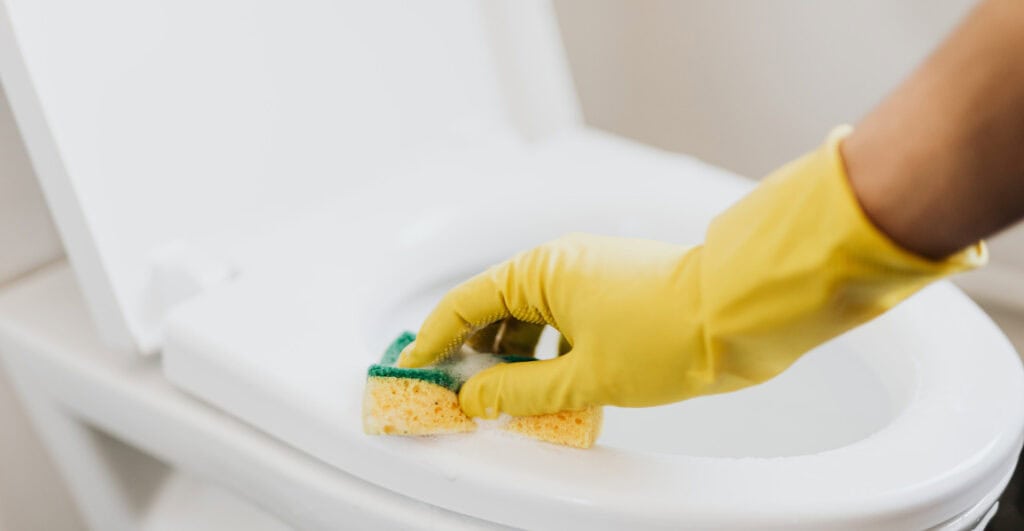
If there’s one area of a school that reveals the quality of its cleaning routine instantly, it’s the toilets. You can walk into a classroom that’s a little untidy and still feel comfortable, but a poorly maintained toilet block sends a very different message. It affects how students feel about their environment, how staff view the school’s standards and, most importantly, how safe and hygienic the building really is.
At Green Fox Cleaning, we’ve cleaned school toilets in every condition imaginable — from immaculate new builds to older blocks that have seen decades of heavy use. What we’ve learned is that school toilets don’t stay clean by accident. They stay clean because there’s a method, a sequence and a clear understanding of how germs spread. When that structure is missing, even the most enthusiastic cleaner will struggle to keep up.
(Educational Cleaning Service: Complete Guide)
Why school toilets need a different approach
Toilets are high‑risk areas. They’re used constantly throughout the day, and they’re the one part of the school where germs have the easiest opportunity to spread. Younger pupils often need reminders about handwashing, and even in secondary schools, the sheer volume of students means surfaces get contaminated quickly.
We’ve seen schools where toilets look spotless at 8am and chaotic by lunchtime. That’s normal — but it’s also why proper cleaning techniques matter. A quick wipe with the wrong cloth or a product that’s wiped off too soon won’t remove bacteria; it simply moves it around.
(How to Reduce Germ Spread in Classrooms)
Start with the right sequence
One of the biggest mistakes we see in schools that clean in‑house is the lack of a structured sequence. Toilets must be cleaned in a specific order to avoid cross‑contamination. If you start in the wrong place, you risk transferring germs from the dirtiest areas to the cleanest.
Our teams follow a top‑to‑bottom, clean‑to‑dirty method. That means starting with touchpoints and surfaces, then moving to sinks, and finally tackling toilets and urinals. It’s a simple approach, but it prevents the kind of cross‑contamination that can undo an entire cleaning session.
Colour‑coding isn’t optional
Colour‑coded cloths and equipment are essential in school toilets. We’ve seen situations where a cloth used on a toilet seat ends up being used on a classroom desk later in the day — not out of carelessness, but because the system wasn’t clear.
A proper colour‑coding system removes that risk entirely. It ensures that the cloths used in washrooms never come into contact with teaching spaces, canteens or communal areas. It’s one of the simplest ways to protect students and staff.
(Microfibre or Disposable Cloths?)
Chemical contact times matter more than people realise
One of the most common issues we see in schools is the “spray and wipe” habit. A cleaner sprays a disinfectant, wipes it off immediately and moves on. The surface looks clean, but the disinfectant hasn’t had time to work.
Every cleaning chemical has a contact time — the amount of time it needs to stay wet on the surface to kill bacteria and viruses. If it dries too quickly or is wiped away too soon, it simply can’t do its job.
We train our teams to understand these timings and use products with short, effective contact times so they can work efficiently without compromising hygiene.
(What Are Cleaning Chemical Contact Times?)
Floors need more attention than people think
Toilet floors collect everything — water splashes, paper towels, dirt from shoes and, occasionally, things we’d rather not describe. A quick mop isn’t enough. Floors need proper cleaning with the right solution, and the mop water must be changed frequently to avoid spreading contamination.
We’ve taken over sites where the floors were being cleaned with the same bucket of water used for classrooms. Once we corrected that, the difference in hygiene was immediate.
Daily vs in‑day cleaning
Some schools rely solely on end‑of‑day cleaning, but toilets often need attention during the school day as well. A lunchtime refresh — even a quick one — can make a huge difference to hygiene and student experience.
We’ve worked with schools that introduced a midday toilet check and saw complaints drop almost overnight. It’s a small change with a big impact.
(Best Cleaning Schedule for Schools)
Why professional training matters
Cleaning school toilets isn’t just about effort — it’s about technique. A cleaner who understands infection control, cross‑contamination and chemical usage will deliver far better results than someone who hasn’t been trained properly.
At Green Fox Cleaning, our staff receive sector‑specific training before they ever step into a school. They learn how to work safely, how to follow safeguarding rules and how to clean in a way that protects students and staff.
(Why DBS‑Checked Cleaners Are Essential in Schools)
A clean toilet block sets the tone for the whole school
When toilets are clean, students feel respected. Staff feel supported. Visitors notice. And the building feels cared for. It’s one of the most important — and most visible — parts of school hygiene.
If you’d like to learn more about how we support schools across the UK, you can visit our educational cleaning page here:
👉 Educational Cleaning Service