We would love to hear from you, to discuss how our business can help yours. We would be delighted to visit your premises to provide a free no obligation quote, whether you are yet to employ a cleaning company, or if you are unhappy with your current one. You can either call us on 0333 050 1139 or fill in this form - We will call you back as soon as possible.
Can you clean upholstery with a steam cleaner safely without damage?
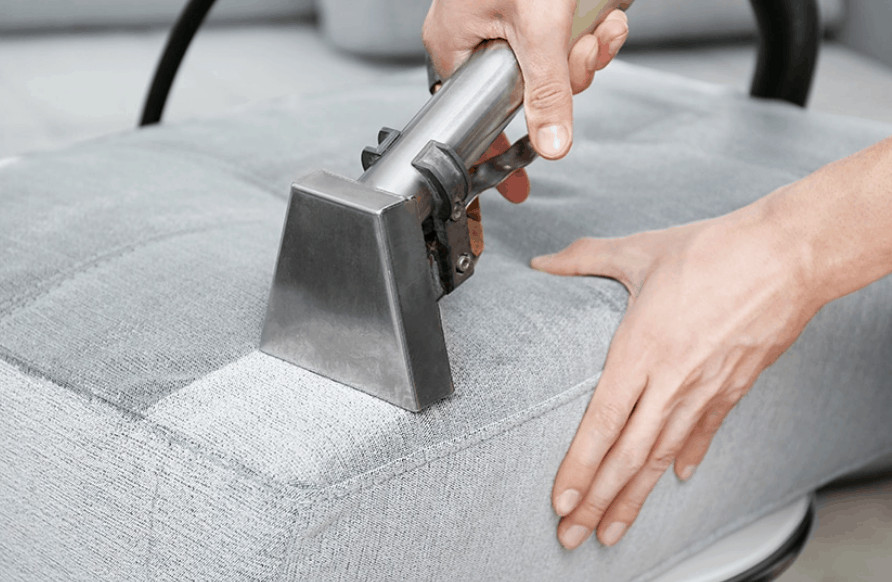
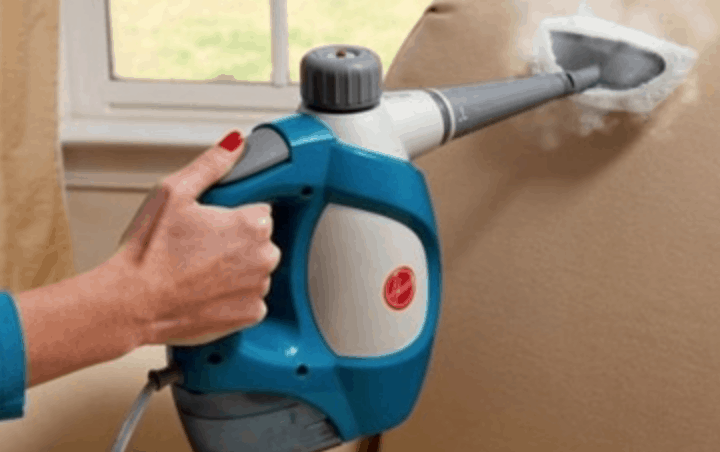
Steam cleaners are incredibly useful tools, both at home and in the workplace. If you need to clean delicate upholstery, fabric furniture or even sanitise a mattress, a steam cleaner can be one of the most effective and efficient tools you’ll ever use.
Steam cleaning doesn’t just lift dirt and remove embedded stains — it also sanitises surfaces and helps reduce allergens. On top of that, steam treatment can kill bacteria, mould, bedbugs, viruses, dust mites and many other pathogens.
Used correctly, it’s a powerful and safe way to refresh upholstery without harsh chemicals.
How to clean upholstery with a steam cleaner
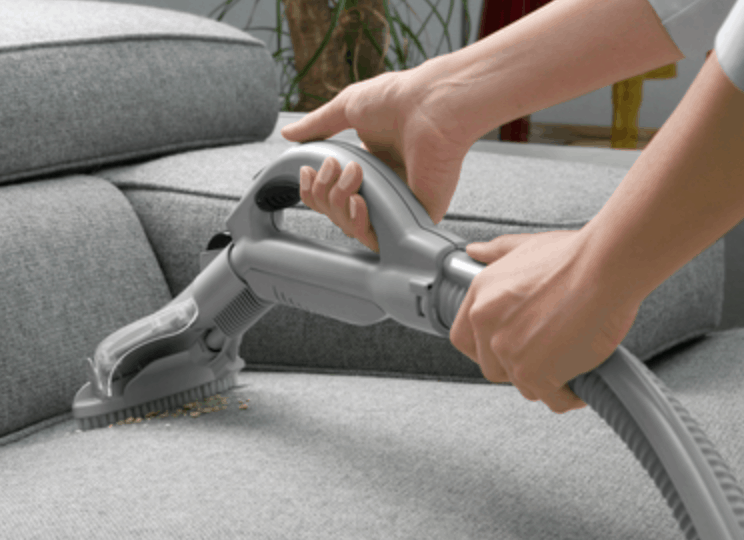
“Important — before you begin any treatment on upholstery, vacuum it fully using a soft brush attachment that won’t damage the furniture, and be sure to vacuum every nook and cranny.”
Green Fox Cleaning accredited trainer
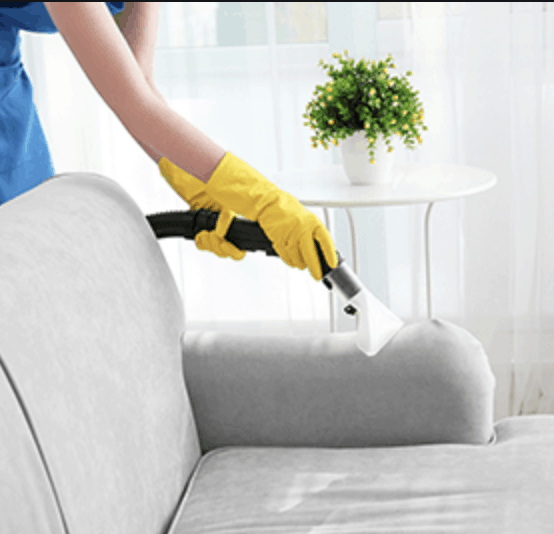
A proper vacuum is essential. Steam cleaning works best when loose dust, crumbs and debris have already been removed.
Pre‑treat any obvious stains
Once the upholstery has been vacuumed, deal with any visible stains first. Use an upholstery spot cleaner and check the bottle for the correct contact time — this is how long the product needs to sit before you blot it.
After the contact time has passed, gently blot the stain with a clean, soft cloth. This helps lift the mark before you begin steaming.
Pre‑condition the upholstery fabric
One of the biggest advantages of steam cleaning is its ability to loosen and remove ground‑in dirt. A good pre‑conditioning product helps break down this dirt before the steam cleaner gets to work.
Spray the pre‑treatment onto the fabric and allow it to sit for the recommended time. Using a very soft brush, gently work the product into the fabric. You’re not scrubbing — just helping the solution reach the fibres.
Use the steam cleaner
Now it’s time to steam clean the upholstery.
Every steam cleaner is slightly different, so always follow the manufacturer’s instructions for your specific model. Water capacity, detergent use and heat settings can vary.
Most machines require you to:
Remove the water tank
Fill it with warm water
Add upholstery cleaner if your model allows it
Reattach the tank securely
Avoid overfilling — too much water can cause leaks or leave the upholstery overly damp.
Move the steam cleaner slowly and steadily across the fabric. Let the machine do the work rather than pressing down hard.
How to avoid damaging upholstery when steam cleaning
Steam cleaning is generally safe, but a few simple precautions make all the difference:
Test a small hidden patch first
Avoid holding the steam nozzle in one spot for too long
Don’t soak the fabric — upholstery should feel damp, not wet
Keep the nozzle moving to prevent heat damage
Check whether your fabric is labelled “S”, “W”, “WS” or “X”
Some delicate fabrics don’t respond well to moisture or heat, so a quick check beforehand can save you from an expensive mistake.
Leave the furniture to dry
Once you’ve finished steam cleaning, the upholstery needs time to dry. You can leave it to dry naturally, ideally with windows open to improve airflow.
If you want to speed things up, you can use:
A fan
A hairdryer on a cool setting
A dehumidifier
Avoid using heat — it can shrink or distort certain fabrics.
Got a lingering stain?
Even after steam cleaning, you may find the odd stubborn stain still hanging on.
White distilled vinegar or even vodka can help. Lightly blot the stain with a cloth soaked in either liquid. Once dry, the smell will disappear and the stain should lift.
How often should you steam clean upholstery?
How often you steam clean depends on how much the furniture is used. A sofa in a busy office reception will need more frequent cleaning than a chair in a quiet meeting room.
As a general guide:
High‑use areas: every 3–4 months
Medium‑use areas: every 6 months
Low‑use areas: once a year
Spot cleaning in between helps keep everything looking fresh.
In summary
We hope you’ve found this guide on how to clean upholstery with a steam cleaner useful. With the right preparation and technique, the process is simple, safe and highly effective — whether you’re cleaning at home or in the workplace.
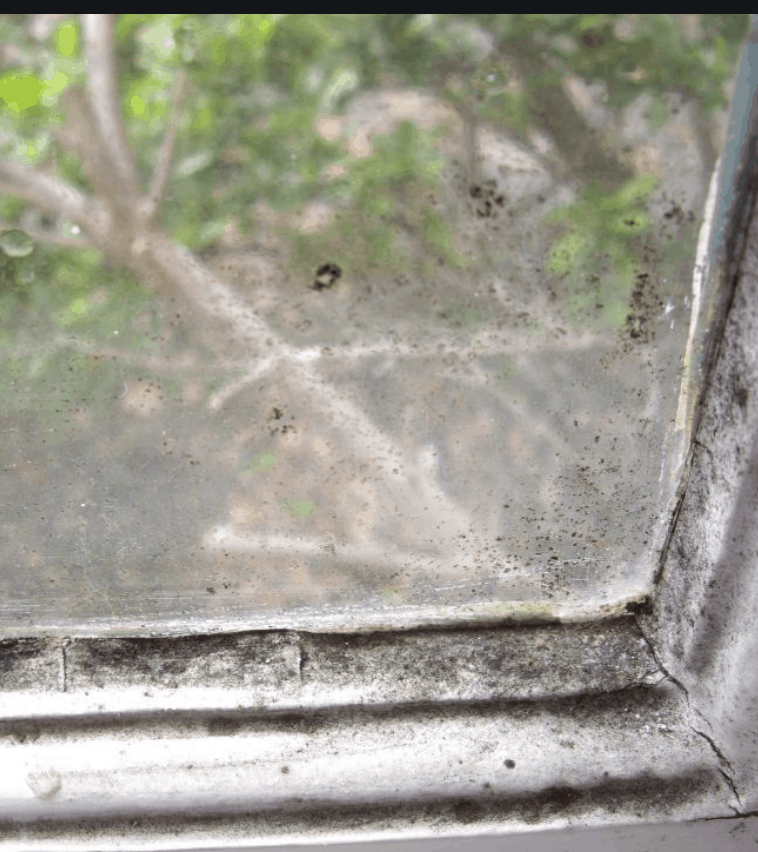
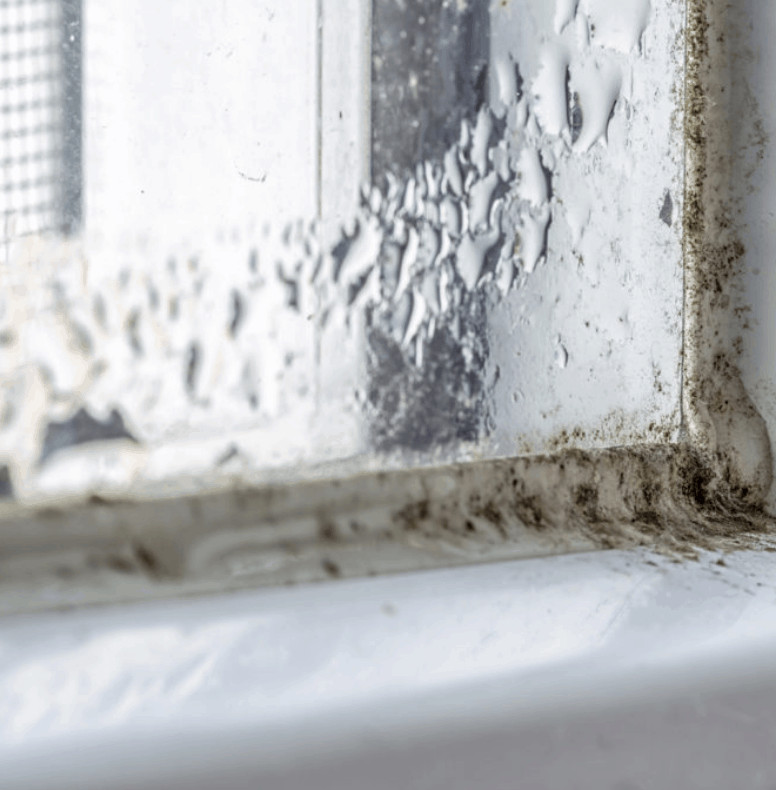
Knowing how to get rid of mould on window sealant can quickly improve the appearance of your home. Even a small amount of mould can make a room feel cold, damp and uncared for, so tackling it early makes a big difference.
What causes mould on window sealant and around windows?
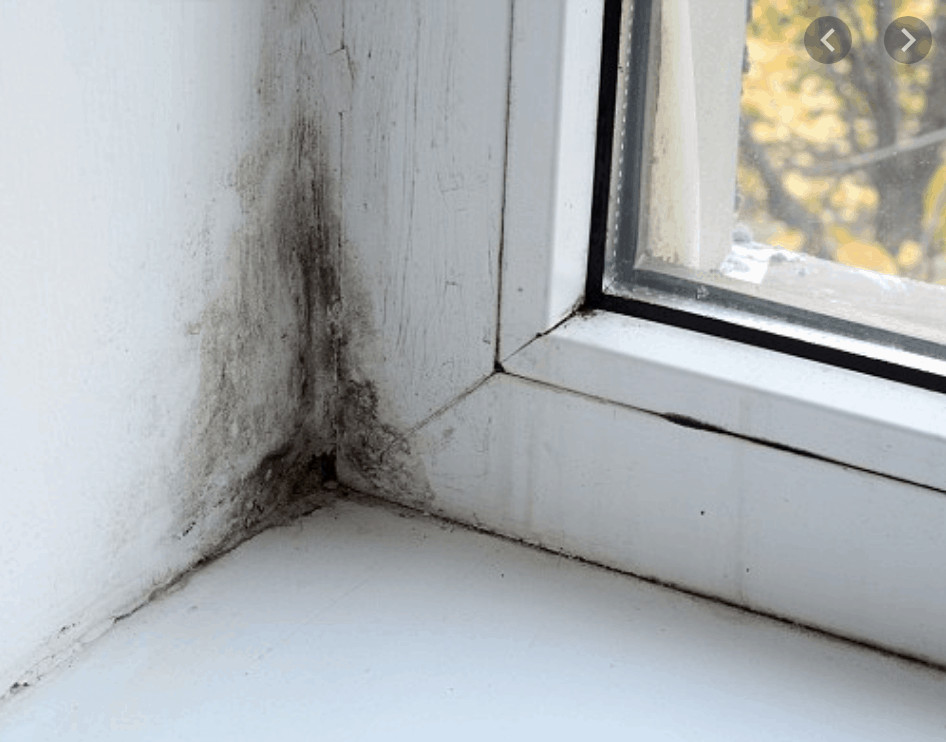
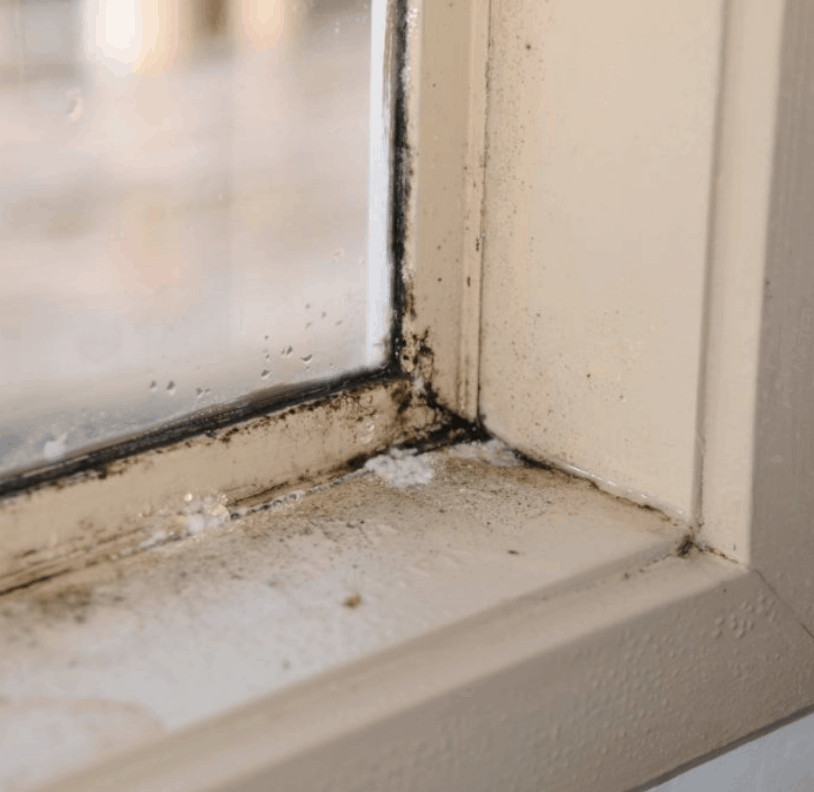
Black mould around windows is not only unpleasant to look at — it can also produce a damp, musty smell and spread across paint, wallpaper and plaster. If left untreated, it can even contribute to respiratory issues, especially for those with asthma or allergies.
It’s important not to ignore even the slightest sign of black mould around your windows, or anywhere else in the home.
There are two main causes of black mould around windows:
1. Leaks
If water is getting in from outside, the sealant may need repairing or replacing. No amount of cleaning will fix mould caused by an active leak.
2. Condensation
This is the most common cause — and the good news is that it can be treated and prevented with the right steps.
How to get rid of mould on window sealant
How to reduce mould caused by condensation
There are a few things you can do to help reduce the amount of mould that appears due to condensation. Here are six things that will help.
If you have single-pane windows, replace them with newer double or triple-glazing which are far more mould resistant.
Keep the window vent (trickle vent), found at the top of windows to let in air from the outside, open to ensure maximum ventilation throughout the home.
Add or use extractor fans when cooking in the kitchen and washing in the bathroom to remove excess moisture present in these rooms.
Purchase a portable dehumidifier which will extract moisture from the air - bear in mind these can use a lot of electricity model dependant.
Open up your windows to keep your home well ventilated – only when it's not too cold to do so though!
Move houseplants away from the windows - they actually moisture into the air, and if too close to windows will add to the problem.
The most common cause is a lack of ventilation. Rooms without sufficient ventilation after a shower result in mould being a common sight. Simple steps as detailed above can help make this issue a thing of the past.
How to get rid of mould on window sealant
Can you remove mould from window sealant?
Yes — but the sooner you tackle it, the easier it is to remove. Here are the key steps:
Apply a paste of white vinegar and baking soda to the mouldy areas.
Scrub stubborn stains with a stiff‑bristled brush or reapply the paste.
Rinse with a cold, damp sponge and dry with a microfibre cloth.
Use a bleach and water spray on bathroom sealant to kill mould spores.
Ventilate the room well and clean regularly to prevent mould returning.
If mould has been left too long, the sealant may be permanently stained or damaged. In that case, you may need to remove the old sealant and reseal the area. This is why reducing condensation is so important — prevention is always easier than cure.
When should you replace the sealant instead of cleaning it?
Cleaning works well for light to moderate mould, but replacement is usually needed if:
The sealant has turned orange, brown or black permanently
The mould has spread behind the sealant
The sealant is cracked, peeling or lifting
The mould returns within days of cleaning
The sealant feels soft or crumbly
Replacing sealant is a straightforward DIY job for most people and often gives the best long‑term result.
How to prevent mould returning after cleaning
Once you’ve removed the mould, keeping it away is the next step. Here are simple habits that help:
Wipe condensation from windows each morning
Keep blinds or curtains slightly open to allow airflow
Avoid drying clothes indoors where possible
Leave bathroom doors open after showering
Use mould‑resistant sealant when resealing
Keep extractor fans running for 10–15 minutes after use
Small daily habits can make a big difference in preventing mould from returning.
In summary
We hope you’ve found this guide on how to get rid of mould on window sealant useful. If tackled early, mould is much easier to remove and far less likely to cause long‑term damage. Following the simple steps to reduce condensation will also help prevent it from coming back.
Green Fox Cleaning are a commercial cleaning company operating across all sectors. Click here to learn more about us, and discover how we can help improve the appearance of your business.
How to clean large office premises
Knowing how to clean large office premises can appear daunting to say the least. Cleaning a small office with one or two members of staff is straightforward, but how to clean a larger premises is a completely different beast.
With more and more businesses designing their offices to offer open plan working, office spaces are becoming larger, and a structured process is required to clean them.
Knowing how to clean large office buildings requires skill
Large building? Break it down
Not literally, but when understanding the process to clean large office premises, a good way to make the process less daunting is to break the building down into floors, or even break larger floors in half.
You can then assign dedicated cleaning operatives to cover set areas, avoiding confusion over the areas that require cleaning. This simple step will make cleaning of the premises much more straightforward.
Have a clear cleaning specification
A clear cleaning specification is key to clean large office premises in both an efficient and effective way. It makes it clear what is expected, and what should be completed every visit, and which tasks can be done less frequently, on a rotational basis.
Without a cleaning schedule, it is hard to challenge staff about areas that have been missed. It is also important that staff are trained to clean correctly and safely.
Regular audit inspections will help ensure the cleaning schedule is being followed and the clean is being completed to the best possible standard.
Start on the top floor, and work down. In a large office, clean the highest points and work round the office in a clockwise direction, working from the outside of the room and working in. This will ensure that no areas are missed, and the clean is as efficient as possible.
Always clean high to low
It may be tempting to vacuum first thinking it is a large task and wanting to get it out of the way, but if you do this first, any debris removed when dusting will fall to the floor, meaning you need to repeat the process at the end of the clean. Clicking here will help you select the best vacuum cleaner for your premises.
Seriously consider centralised bin options
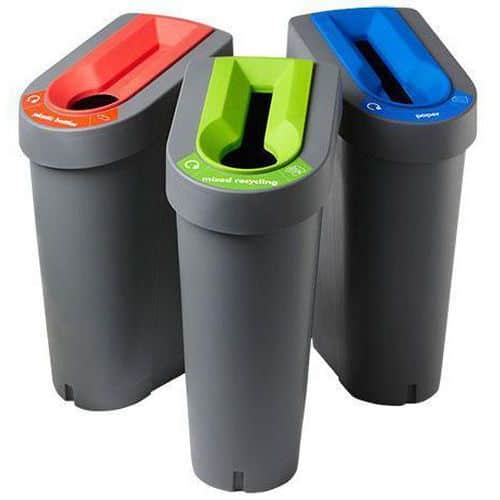
Centralised bins are large bin bases placed in strategic places in larger office premises. If you think that large office premises can have well over 100 employees, 100 desk bins will be time consuming to change and damaging to the environment. Four centralised bin setups could serve the same number of employees, and result in cost savings. Click here to learn more about centralised bin systems.
Centralised bins bring great benefits
In summary
Cleaning a large office premises doesn't have to be any more of a challenge than a smaller office. It simply requires more planning to ensure a slick, efficient process can be implemented to complete the task.
The best way to keep your office looking great is to employ a contract cleaning company. You can click here to learn more about office cleaning services undertake by Green Fox Cleaning.
We provide cleaning services to both nationally recognised brands, as well as smaller independent businesses. We clean large office blocks with teams of cleaners and supervisors every single day, as well as a visit or two per week with a single cleaner at smaller premises.
Fully vetted commercial cleaners
Ball Pit Cleaning - what is it?
Ball pit cleaning can be considered a rather niche area, but it can be a nightmare when you first think about where to start.
Whether your ball pit is a small one at a nursery or a gigantic one at a children’s play centre, both will have hundreds — if not thousands — of balls. And with so many children using them every day, they can become dirty very quickly.
Ball pits are a popular form of play for children and are even used by physiotherapists working with children, especially those with autism. However, commercial ball pits in shopping centres and restaurants have previously been found to be contaminated with dirt, urine and faeces.
The NHS even published findings from a study around germs found on plastic balls in ball pits, highlighting the importance of regular cleaning and maintenance.
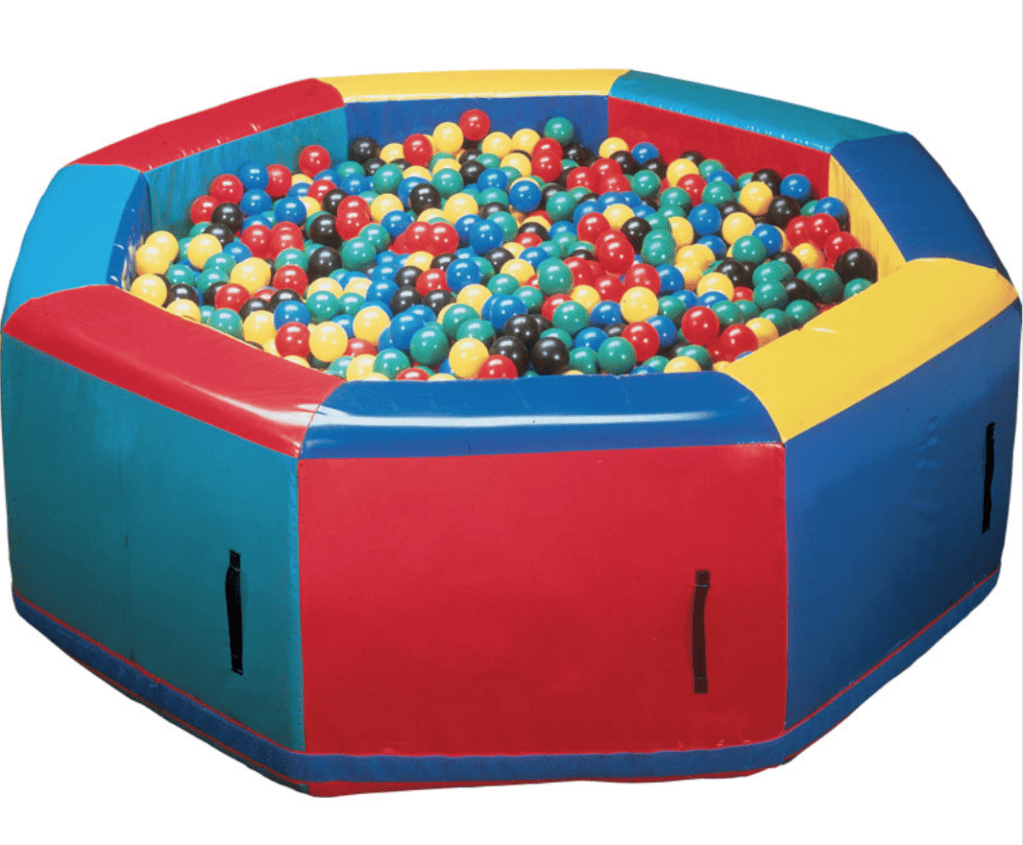
Balls, glorious balls. But where do you start with ball cleaning?
How often should you clean a ball pit?
If you are running a large ball pit that experiences heavy usage on a daily basis, it is recommended that you thoroughly undertake ball pit cleaning every 3–6 months, and clean the ball pit balls daily.
If you have a smaller ball pit at home, you can clean the balls after every 2–3 uses, and then thoroughly clean the entire ball pit every 3–6 months.
Regular cleaning helps prevent the build‑up of bacteria, reduces odours and keeps the play area safe for children.
How to clean ball pit balls correctly
Manual ball pit cleaning process
There are six steps to follow if you plan to clean your ball pit balls manually:
Remove all the ball pit balls and place them on an old sheet or similar surface.
Spray all the balls thoroughly with a suitable disinfectant solution. At Green Fox Cleaning, we do not recommend bleach and can suggest less toxic, more sustainable disinfection options.
Allow the balls to dry fully, shuffling them on the blanket to speed up the process.
Spray the balls a second time to ensure thorough cleaning. Leave them to dry in a wash net for complete drying.
Clean the interior of the ball pit by spraying the surfaces and wiping them down thoroughly with a cloth.
Ensure the ball pit is completely dry before returning all balls to the pit.
Ball pit cleaning wash net
Avoid the temptation to tip all balls into a large bucket of pool of solution, as any with small splits or cracks will fill and not dry properly and you may have to start the process again.
What disinfectants are safe for ball pit balls?
Not all cleaning products are suitable for plastic balls, especially those used by young children.
Safe options include:
Child‑safe disinfectant sprays
Food‑safe sanitising solutions
Hypoallergenic cleaning products
Eco‑friendly disinfectants
Diluted white vinegar (for home use)
Avoid:
Bleach
Harsh chemicals
Products with strong fragrances
Anything that leaves a sticky residue
Using the wrong product can damage the balls or leave behind chemicals that aren’t safe for children.
Ball pit ball cleaning using a machine
Another way to clean ball pit balls is through the use of specialist machinery. These machines can clean and sanitise thousands of balls quickly, making them ideal for large commercial setups.
The benefits include:
Faster cleaning
More consistent sanitisation
Less manual labour
Reduced drying time
However, they do come with additional costs, so the decision between manual cleaning and machine cleaning depends on the size of your ball pit and your budget.
How dirty do ball pits really get? (What studies show)
Studies — including those referenced by the NHS — have found that ball pits can contain:
Faecal bacteria
Urine residue
Food particles
Dirt from shoes
Saliva
General grime
Because children often put their hands (and sometimes the balls) in their mouths, regular cleaning is essential to maintain hygiene and reduce the risk of illness.
This is why many commercial venues now include ball pit cleaning as part of their regular cleaning schedule.
More regular ball pit cleaning between deeper cleans
Ball pits get dirty quickly from constant use. It’s good practice for the member of staff supervising the ball pit to have a suitable disinfectant spray and cloth on hand.
They can then respond quickly to:
Obviously dirty balls
Spills
Accidents
Food contamination
Sticky hands or faces touching the balls
This provides reassurance to parents and users that you take hygiene seriously and are keeping the play area as safe as possible.
The easiest way to keep your ball pit hygienic
The simplest way to keep your ball pit — and the rest of your premises — safe, hygienic and looking great is to employ the services of a good commercial cleaning company.
To contact your local Green Fox Cleaning office and request a free, no‑obligation cleaning quote, simply click here.ooking great is to employ the services of a good commercial cleaning company to take care of your ball pit cleaning.
To contact your local Green Fox Cleaning office and request a free, no obligation cleaning quote, simply click here.
Chemical free ways to clean your home office
Chemical free ways to clean our home offices are a more common consideration than ever before, with many of us now part working from home. We all want to do our bit towards helping the environment.
chemical free ways to clean
There are many producers of cleaning products making a move on the chemical free cleaning supply, with Koh and method being well known suppliers.
There are however also many chemical free cleaning products that you can make at home from readily available every day products, making it easy and quick to introduce chemical free ways to clean your home office.
Good natural cleaning products include
White vinegar
Natural salt
Baking soda
Washing soda
Lemons
How to make your own natural all purpose cleaner and glass cleaner - embrace chemical free ways to clean
How to make a natural all-purpose cleaner that actually works!
Why is it worth making your own cleaner? You can make it in less than a minute, it can save you money and works well. Chemical free ways to clean really do start at home!
All-purpose cleaner ingredients
1/2 tsp washing soda
1 tsp liquid castile soap
Essential oils of choice for fragrance – we recommend using 4 drops of lemon, 4 drops of lavender, and 10 drops of orange for a great fragrance
Glass spray bottle for storage and use
Instructions for making all-purpose cleaner
Place washing soda and castile and soap in a spray bottle (preferably glass).
Add 2 cups of warm water. Distilled is best, but any water that has been boiled will work fine.
Add essential oils of choice dependant on preferred fragrance.
Cover bottle and shake well. Use as needed.
You can use this all-purpose cleaner for many purposes including as a bathroom cleaner, floor pre-treater, kitchen cleaner and on toys.
We recommend a glass bottle rather than plastic for use as the spray not only to reduce plastic usage, but also if you use the citrus essential oils for fragrance, it is important to store in glass as they can break down a plastic bottle over time.
All purpose cleaner frequently asked questions:
Is this a disinfectant? No it isn't a disinfectant the same as found in chemical based cleaning products.
Is washing soda the same as baking soda? No, they are similar but have some distinct and important differences. Washing soda is sodium carbonate which is a stronger, more effective choice.
Why don't you add vinegar to this? Vinegar isn't the super all-round cleaner than may people thing. Whilst it is great for cleaning windows, it isn't a good degreaser and won't improve the results.
How to make a natural glass cleaner
Glass Cleaner Ingredients:
2 cups of water (distilled or filtered is best so it doesn’t leave residue)
2 tablespoons vinegar
10 drops of lemon. This is optional but helps cut down the vinegar smell
How long will these products remain effective?
Whilst we haven't completed detailed studies on this, we have found products made as detailed above to still be highly effective three months after being made. Further proof that chemical free ways to clean are sustainable.
We hope that you have learnt that chemical way free ways to clean are easy and needn't cost the earth to implement.
The easiest way to clean your premises is to hire a professional cleaning company that operate in an environmentally friendly way and share your values. At Green Fox Cleaning we pride ourselves on massively reducing our plastic usage, supplying local cleaning operatives to reduce our carbon footprint and many other things. Click here to learn more about our commitment to green cleaning.
Do you know how to spot the signs of a bad cleaning company? Are you currently using a commerical cleaning company but just feel as though you are getting a good service?
The purpose of this article is to highlight the seven key indicators that may suggest it is time to review your workplace cleaning arrangements - have a ready and see how many are already on your radar.
Learn to spot the signs of a bad cleaning company
Your cleaning company have vague pricing or seem to play pricing games with you
The best office cleaning companies always provide you with transparent pricing. Not only does transparent pricing help you compare office cleaning bids in a telling way, it can help both you and your cleaning company know exactly what work is and is not included.
If your current provider has vague pricing or are constantly adding extras onto your invoice that you aren't expecting, it is probably time to start looking at other cleaning company options. There are few worse signs of a bad cleaning company than one that does not offer clear pricing for their clients.
We have heard of companies charging extra to clean a desk, telephone and even per desk bin emptied - how can you possibly make a decision based on such vague and variable figures?
Like all companies, you want to budget your cleaning and know exactly what you are paying, and what you are receiving in return.
Clear, transparent pricing gives you the necessary information to make the best decisions for your facility.
Your cleaning company and cleaners don't take security at your premises seriously
Security is crucial and is the most important aspect of cleaning any premises. What is the point of having a spotless office with all the doors left unlocked, or a gleaming school with the hall fire doors left unlocked every visit? Security is not optional - and this relates to both your premises, but also the staff being trusted to clean your premises.
You also want to know who is cleaning your premises and that they can be trusted. What level of vetting do your current company undertake on vetting their staff? Are their cleaners all directly employed or do they sub-contract cleaning. Subcontracting brings real risks that you have no idea who is cleaning your premises, and neither do the company that you actually think are doing your cleaning! This can be a common problem when engaging the services of a cleaning company that are not local to you.
You want to know that every cleaner that enters your premises has been fully vetted and background checked by the company that you are trusting to complete your cleaning services. One of the key signs of a bad cleaning company is one that doesn't have full control over their cleaning team.
Security in cleaning is not optional
There is no communication from your cleaning company
An effective and good cleaning service is wholly dependant on good communication from both the client and the cleaning contractor. One of the key signs of a bad cleaning company is that you are always chasing them for contact, and they are slow to respond or even unresponsive to any issues reported by you.
Professional office cleaning companies want regular feedback, both positive and negative, so that they may continually improve their service and build value for you, their customer to ensure continual development and improvement. There is a balance between calling clients who are busy themselves, but even an email to check in takes no time at all to send.
Emails to check client satisfaction take no time at all
Your cleaning company and cleaners are not professional or respectful
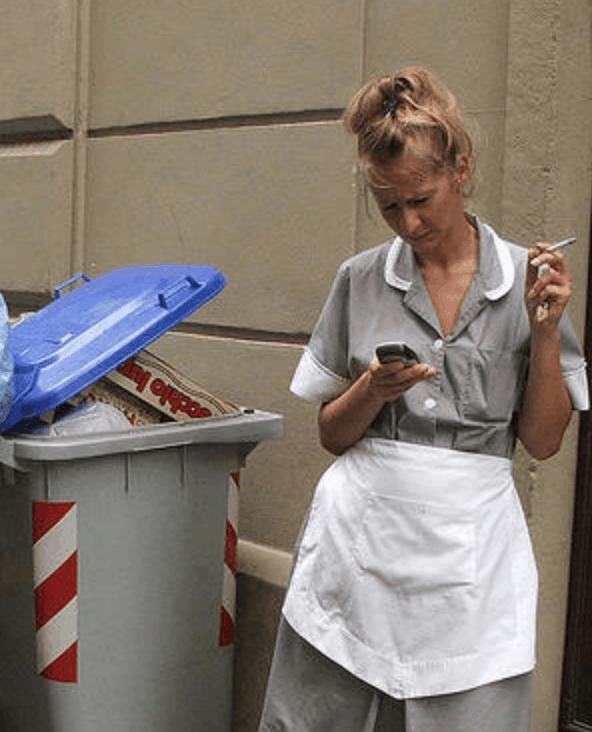
Have you seen your cleaner on their mobile phone when they should be cleaning your premises? Have you seen your cleaner smoking right outside your front door, in full view of staff and visitors alike? Apart from the potential health implications, it simply isn't an acceptable look to give your business.
What about cleaners swearing whilst cleaning your premises, or throwing bins around and not treating your premises with the care and respect it deserves?
If you call your cleaning company to voice concerns, they should be apologetic and quick to react to any such reports which are potentially damaging to their reputation.
A good commercial cleaning company should have stringent measures in place and clear expectations of what is expected from their staff, along with what is and what is not acceptable. Few signs of a bad cleaning company are more apparent than one with cleaners behaving in an unprofessional way.
Signs of a bad cleaning company
A high turnover of cleaners at your premises
Another one of the big signs of a bad cleaning company is one that are unable to retain their staff, meaning you end up with a new cleaner or cleaning team every other week. One obvious issue with this is that the operatives don't learn your premises fully and can't work efficiently and effectively, meaning the appearance of your premises will suffer.
It is also a security consideration if numerous cleaners are having keys to your premises and coming and going, especially if you don't know the reason they are all going.
The main reasons for a high turnover of staff are generally poor pay or work conditions, lack of training resulting in a lack of pride, or a lack of support from the company for their welfare. Learn more about how at Green Fox Cleaning we look after our staff resulting in great staff retention by clicking here.
One of the key signs of a bad cleaning company is high staff turnover
Your cleaning company use old equipment and outdated cleaning processes
While you don’t need your cleaning company have have every single new cleaning gizmo and gadget, if your premises cleaners aren’t equipped with newer, well-maintained equipment, state of the art cleaning chemicals and green cleaning solutions, and operate with newer methods and industry best practices, you will not get the level of service your facility should.
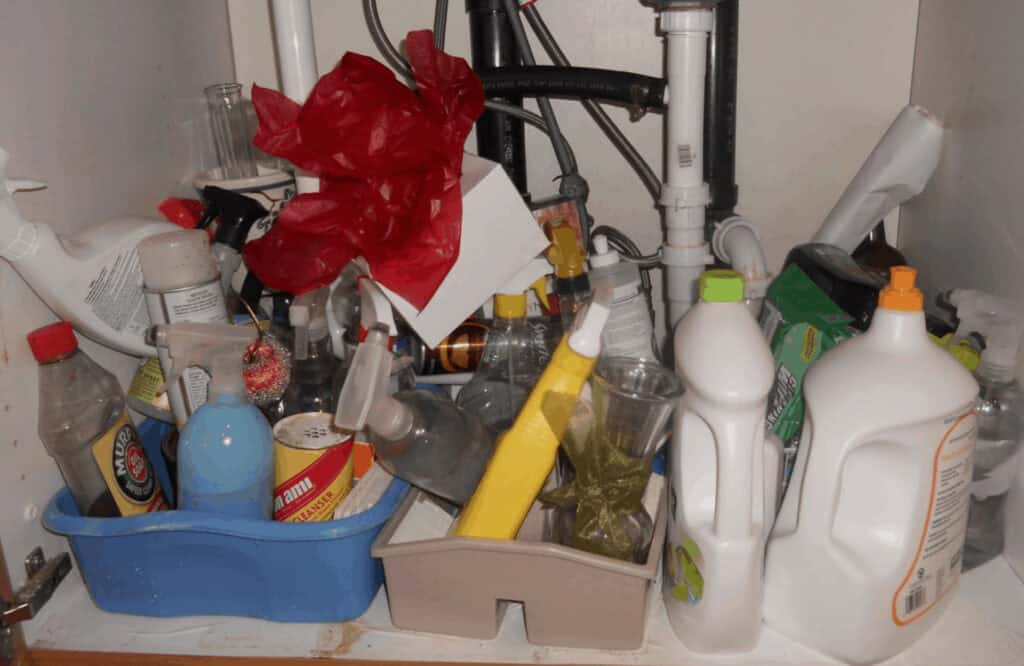
Have a look in the cleaning cupboard - are there dirty old mops and buckets there? Is there a real mish mash of equipment, with products all over the place? A messy cleaning cupboard is so often of the first signs of a bad cleaning company, and cleaning standards start at the cleaning cupboard!
A messy cleaning store is one of the first signs of a bad cleaning company
Your cleaning company's staffing issues are becoming your problem
A key benefit of outsourcing your cleaning arrangements is that you should be able to forget about the cleaning and management of the cleaning staff, and focus on your own business and what you do best.
A team is only as strong as its weakest player. If your cleaning company’s staffing issues are quickly becoming your problem, it’s probably time to move on. Staff are the foundation of any business, and if your current company do not look after their staff, you will not get a good service.
You want a cleaning service that thinks ahead proactively, protects both your reputation and their own, and operates above board in every possible way.
If you have identified one or more of the above signs of a bad cleaning company being present with your current cleaning provider, it is time to review your cleaning arrangements. Click here to learn more about Green Fox Cleaning and learn more about how we can help improve the appearance of your business with ours.
What is a deep clean?
When trying to understand a deep clean cost, it is important to understand first of all what a deep clean is.
As the name would suggest, it is a cleaning process that is completed to a deeper and more detailed level than that of a regular clean.
The deep cleaning process includes a number of processes which can include the following:
Cleaning behind radiators and fitments
High cleaning to decobweb the premises
Deep cleaning of hard floors and professional carpet cleaning
Window cleaning (inside and out)
Emptying and cleaning of cupboards
Cleaning inside of kitchen appliances, fridges etc
Cleaning of all washroom wall tiles, behind toilets and tackling any limescale buildup.
What is a typical deep clean process?
The process for a deep clean will vary considerably venue by venue, but this is a common approach to completing a deep clean. The deep clean cost will vary depending on how many areas are tackled.
Start by doing a high dusting or all vents and light fixtures - always start high to allow dust and cobwebs to fall to the floor.
Vacuum all blinds, drapes, windowsills, tracks, behind radiators etc.
Dust all walls to remove obvious marks and sanitise all light switches.
Dust all doors and sanitise all door handles.
Dust all skirting boards and deeper clean as needed to remove marks.
Move all furniture where possible and thoroughly vacuum all carpets or scrub all floors. This ensures that hard to access areas behind furniture that are usually not cleaned on a regular basis are kept clean.
Dust and sanitise all surfaces (which should be as clear as possible prior to the commencement of a deep clean).
Clean and sanitise all computer keyboards, screens and telephones.
Clean all kitchen areas to include inside of and on top of cabinets, appliances, fridges, etc.
Clean all restroom walls, toilets, urinals, sinks from top to bottom.
Do a machine scrub or deep mop on restrooms floors using a suitable product. This will help eliminate urine smell.
A final repeat clean of all floors to ensure no further debris has fallen
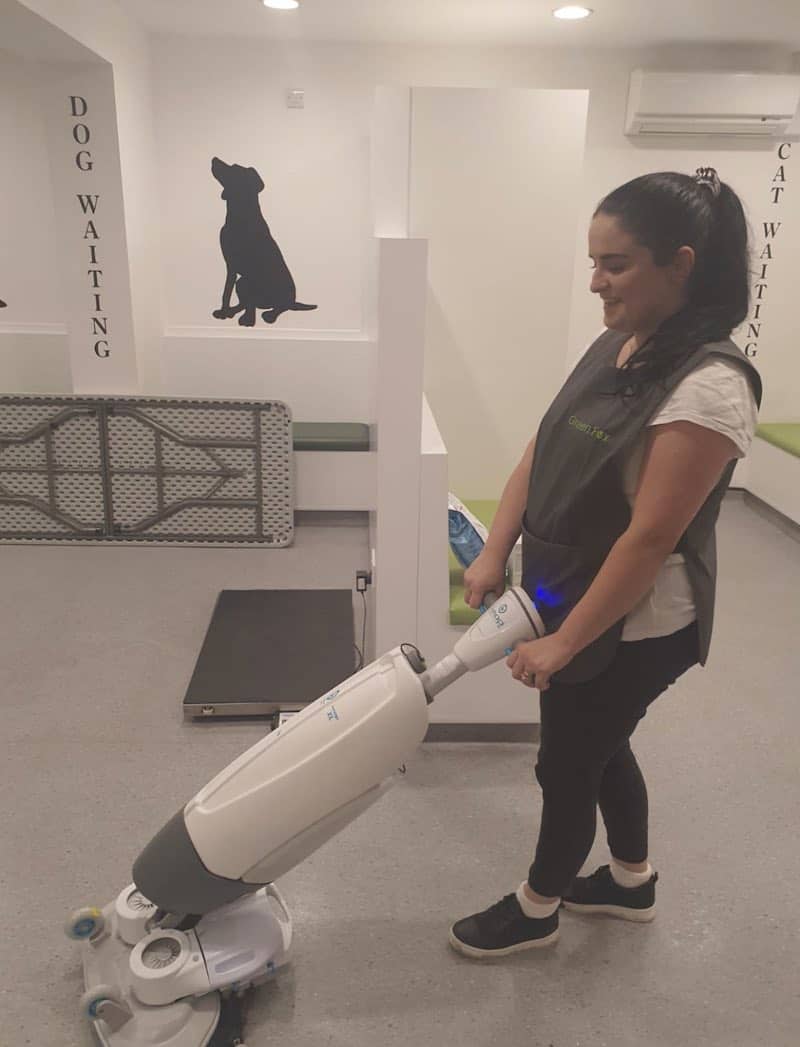
Machinery is often used for deep cleaning
What does a deep clean cost?
There are many factors that will affect a deep clean cost at your premises. They will include the following:
The floor type(s) in your premises and if specialist equipment is required
The quality of cleaners supplied - are they trained and directly employed
The quality of cleaning chemicals and machinery used
What times and days the premises can be accessed
How local the cleaning company are to you
The size of your premises
The nature of your business (a working kitchen will obviously be a lot more demanding and take much longer than an office for example)
Deep clean cost can vary considerably
Deep cleaning requires skill, a great eye to detail and a willingness to get "stuck in." It is hard work when done properly, and would normally be completed a team of cleaning operatives unless the premises is very small.
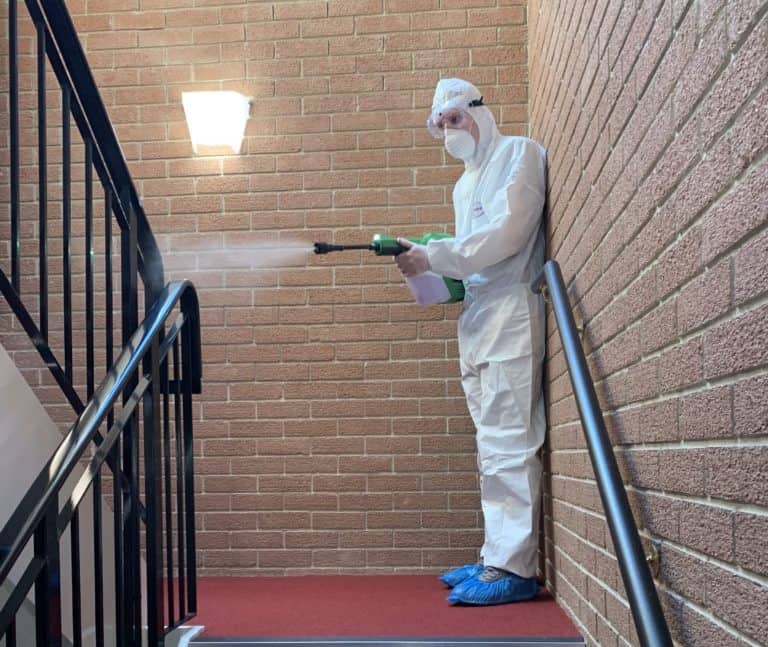
On top of a deep clean, many companies are adding an extra disinfection treatment through the use of electrostatic cleaning technology. You can learn more about this advanced process by clicking here.
Electrostatic cleaning by Green Fox Cleaning employee
The best way to ensure a deep clean is completed to the highest possible standard is to employ the services of a good commercial cleaning company who will have the knowledge, skills and equipment to complete the task.
To contact your local Green Fox Cleaning office and request a free, no obligation quote - click here to learn more.
Remember when comparing deep clean cost - you will get what you pay for - cheapest is rarely best!
You can find the dictionary definition of a deep clean by clicking here.
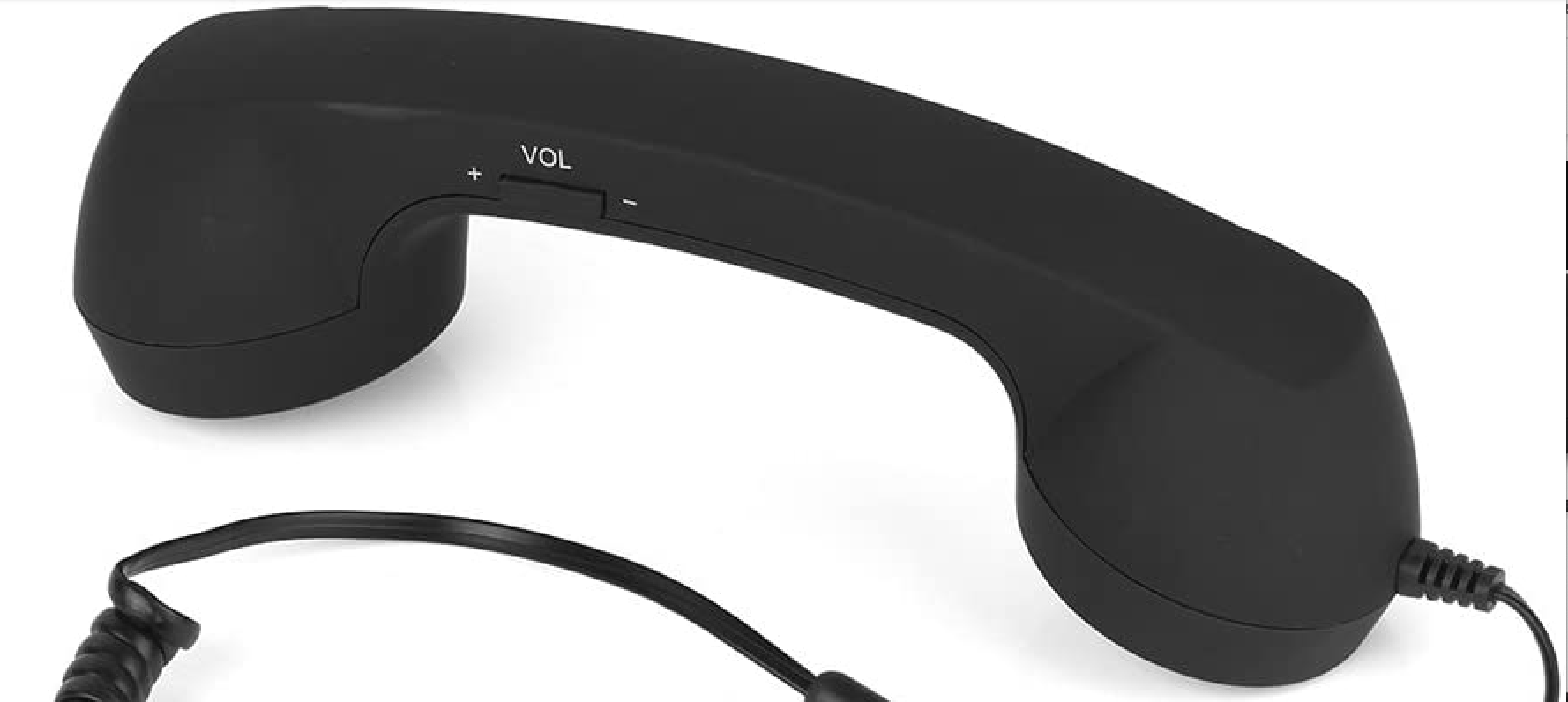
The office phone
Do you know how to clean an office phone correctly?
Even though more businesses are moving towards softphones and computer‑based calling, the traditional office phone is still found on most desks.
Whether you’re taking calls from clients or making outbound calls to grow your business, the office phone remains a crucial piece of equipment.
It’s powerful enough to connect teams across the country — yet for many younger workers, it’s still the most intimidating item on the desk. Even with the rise of Zoom, Teams and other video‑calling tools, the office phone isn’t going anywhere.
Video calling applications are increasing in popularity
Viruses and office phones
Viruses such as COVID‑19 spread mainly through airborne droplets from coughing, sneezing or even talking loudly. Because office phones sit close to the face and mouth, they naturally carry a high risk of harbouring germs.
On top of that, phones are touched constantly throughout the day — often by multiple people — making them one of the germiest items in any workplace.
As a responsible employer, it’s essential to take steps to keep the workplace clean and reduce the spread of bacteria and viruses. Teaching staff how to clean their workspace properly, including their office phones, can help reduce sickness levels and improve overall hygiene.
Know how to clean an office phone correctly
How to clean an office phone - step by step guide
1. How to clean the phone handset
The handset is the part of the phone that comes into closest contact with the face, so it needs regular cleaning.
Use a disinfectant spray and a disposable cloth, or a disinfectant alcohol wipe.
Clean the handset daily — or more often if multiple people use the same phone.
Make sure the disinfectant is effective against both bacteria and viruses.
Once cleaned, wipe the handset with a dry cloth or paper towel. This removes any residue and prevents sticky build‑up or potential skin irritation.
2. Clean around the speaker and earpiece
Dirt and grime often build up in the small grooves around the speaker and receiver.
To clean these areas:
Use a cotton swab or a toothbrush reserved specifically for cleaning
Dip it in rubbing alcohol or a disinfectant solution
Gently clean around the grooves and openings
Dry thoroughly with a paper towel
This step helps remove hidden dirt that standard wiping won’t reach.
3. How to clean the office phone base
The base of the phone is often overlooked, but it collects dust, fingerprints and bacteria throughout the day.
Dampen a microfibre cloth or paper towel with disinfectant
Wipe the entire surface, including the cradle where the handset rests
Don’t forget the underside — it’s a common dust trap
A quick daily wipe keeps the phone looking clean and reduces germ build‑up.
4. How to clean the office phone keypad
The keypad is one of the most touched parts of the phone — and one of the easiest places for germs to hide.
Use a disinfectant‑dampened cloth to wipe the surface
For the gaps between keys, use a cotton bud or a toothbrush
Take your time — these small areas are where bacteria thrive
A clean keypad not only looks better but also reduces the risk of spreading germs between users.
How to clean an office phone keypad
Why office phones get so dirty
Office phones are handled constantly, often without people realising how much they touch them. Between calls, eating at desks, coughing, sneezing and general daily use, phones quickly become a hotspot for germs.
Unlike keyboards or screens, phones sit right next to the mouth and nose — so they naturally collect more bacteria. Regular cleaning is one of the simplest ways to improve hygiene in shared workspaces.
How often should you clean an office phone?
How often you clean the phone depends on how many people use it:
Single‑user phones: once a day
Shared phones: after each user, or several times a day
Reception or high‑traffic areas: clean throughout the day
A quick wipe takes seconds but makes a big difference.
Don’t forget: an office phone on a dirty desk is not acceptable
Cleaning the phone is important — but it won’t stay clean for long if the desk around it is dusty or cluttered. A clean workspace supports a clean phone.
In summary
We hope this article has given you a better understanding of how to clean an office phone properly. With regular cleaning and the right products, you can significantly reduce germs and improve workplace hygiene.
The easiest way to ensure your office phones — and the rest of your workplace — are cleaned thoroughly is to hire a reliable commercial cleaning company.
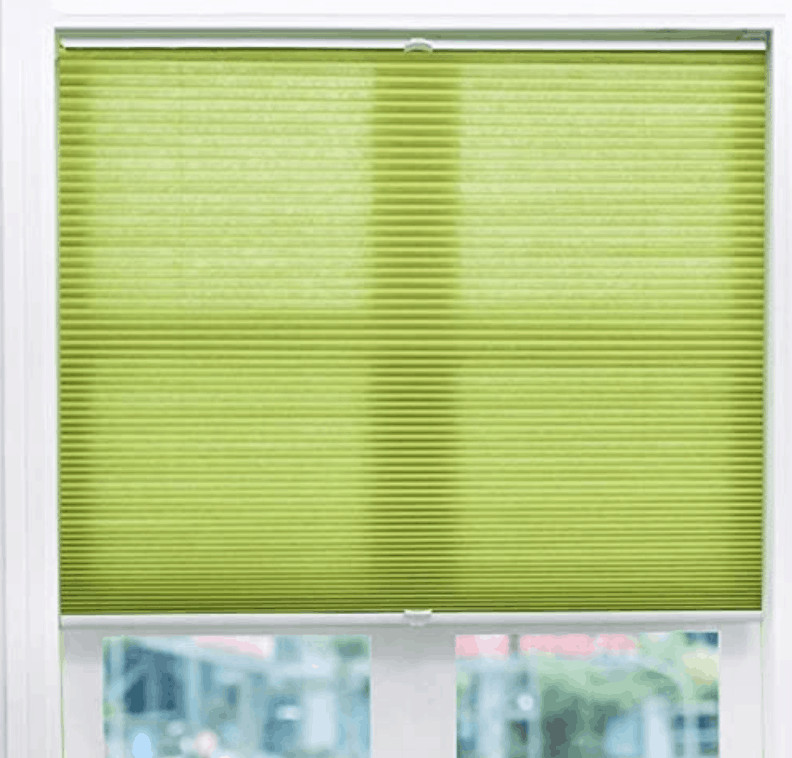
Honeycomb blinds (also known as cellular shades) are a popular choice for many businesses due to the advantages they offer — from better insulation to improved privacy and light control.
However, like any type of blind, they can gather dust, dirt and, in some cases, mould. Because of their unique honeycomb structure, cleaning them requires a little more care and attention than standard blinds.
Learn how to clean mould off honeycomb blinds
What are honeycomb blinds?
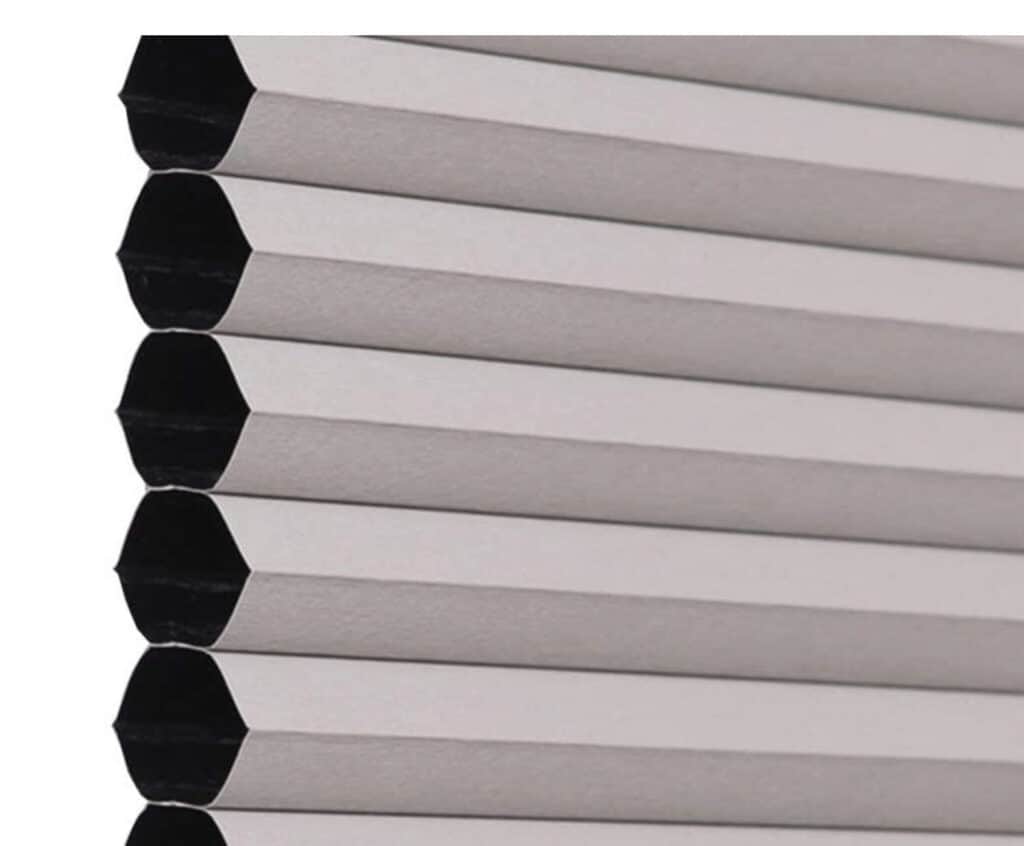
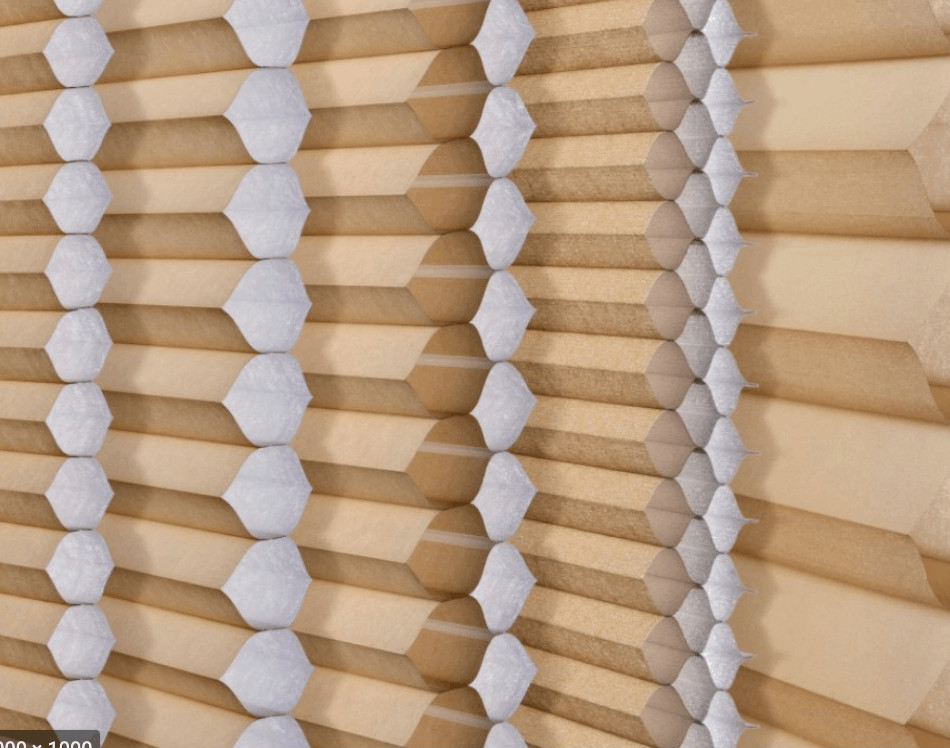
Honeycomb blinds are designed with a series of air pockets (cells) that help regulate temperature and reduce noise. This makes them ideal for offices, meeting rooms and other commercial spaces.
But the same structure that makes them energy‑efficient also makes them slightly trickier to clean. Dust, insects and moisture can become trapped inside the cells, and if left untreated, mould can develop — especially in humid or poorly ventilated areas.
Why mould forms on honeycomb blinds
Mould usually appears on honeycomb blinds for the same reason it shows up on window frames and curtains — moisture hangs around longer than it should. These blinds sit close to the glass, so if the room is a bit humid or the windows get a lot of condensation, the fabric can stay damp without you realising.
If the blinds are kept closed most of the time, the air can’t move through the cells properly, and that trapped moisture becomes the perfect place for mould to grow. It’s not that the blinds are poor quality — it’s simply how the honeycomb design works. A bit of airflow and regular light cleaning usually keeps the problem at bay.
Learn how to clean mould off honeycomb blinds
How to clean honeycomb blinds – daily maintenance
The daily and regular maintenance method to clean your honeycomb blinds is a simple four‑step process:
Step one – clean the frame and side tracks
Fill a bowl with warm water and washing‑up liquid.
Dampen a clean cloth and wipe the tracks and fittings from top to bottom.
Dry thoroughly with a clean cloth afterwards.
Step two – remove debris, dust and insects from the cells
The shape of honeycomb blinds makes the cells an attractive hiding place for insects and dust. Insects may crawl inside and die, and dust can settle deep within the structure.
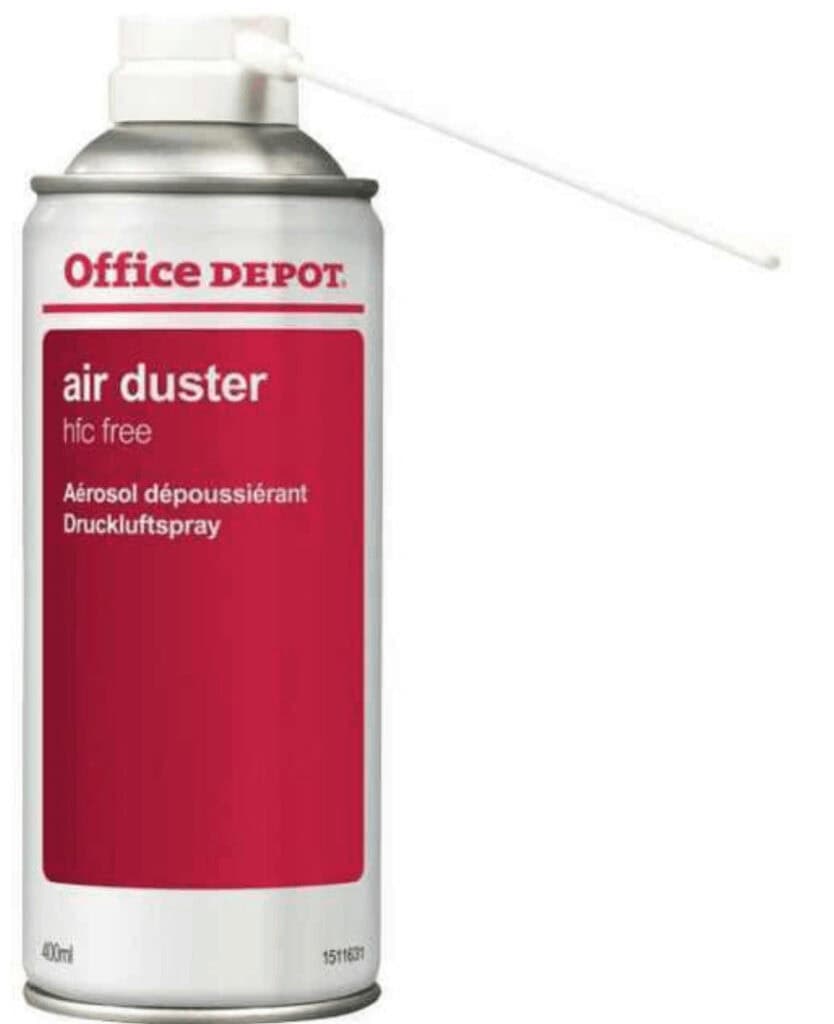
The easiest way to clean inside the cells is to use compressed air (an air duster).
Place a towel on the floor to catch debris, then blow through each cell to remove anything trapped inside.
If you don’t have compressed air, you can use a hairdryer — but only if it has a cool and low‑power setting.
An air duster is a great way to clean inside honeycomb blinds
Step three – use a microfibre cloth to clean the blind shades
Using a microfibre cloth or feather duster, gently wipe the shades from side to side, starting at the top and working downwards. This ensures any dislodged dust falls down and is removed as you go.
Microfibre cloths are ideal because they attract dust rather than simply pushing it around.
Step four – vacuum the blind shades
Using a vacuum cleaner with a soft brush attachment, repeat the same side‑to‑side motion from top to bottom.
This removes any remaining dust and leaves the blinds looking fresh.
How to remove mould from honeycomb blinds
Sometimes regular cleaning isn’t enough — especially if mould has started to appear. The good news is that removing mould from honeycomb blinds is straightforward.
Use this simple mould‑removal solution:
½ cup white distilled vinegar
½ cup water
Dampen a cloth with the solution and gently wipe the affected areas.
After cleaning, expose the blinds to bright sunlight until fully dry.
Repeat if needed.
Sunlight helps kill remaining mould spores and prevents regrowth.
When should you replace mouldy honeycomb blinds?
Most of the time, you can clean mould off honeycomb blinds without too much trouble. But there are situations where cleaning won’t fully solve it. If the mould has been sitting there for a long time, it can work its way deeper into the fabric or into the cells where you can’t reach it.
You might also notice the material has started to stain permanently, or the blinds still smell musty even after you’ve cleaned them. When that happens, it’s usually a sign that the blinds have reached the end of their life. At that point, replacing them is often easier — and cheaper — than trying to rescue them again and again.
How to prevent mould returning
Once you’ve cleaned the blinds, the real trick is stopping the mould from coming back. A bit of ventilation goes a long way — even opening the blinds during the day helps air move through the cells. If your windows tend to get a lot of condensation, wiping them down in the morning or using a small dehumidifier can make a big difference.
Try not to leave the blinds pressed tightly against damp glass, and give them a quick dust every week or two. These small habits keep moisture from settling and make it much less likely that mould will return.
In summary
We hope you’ve found this guide on how to clean mould off honeycomb blinds useful. With regular maintenance and the right cleaning method, you can keep your blinds looking fresh and extend their lifespan.
Green Fox Cleaning provide commercial cleaning services to businesses of all sizes and in all sectors. Click here to learn how we can help improve the appearance of your business with ours.
Nursery toy cleaning - how important is it?
The question of how important nursery toy cleaning is can be answered in just one word - essential! Parents are putting their trust in you and your nursery to keep their loved ones sage.
Toys and play equipment should be a source of both fun and learning for every single child within the nursery setting.
However, where toys are frequently shared between children, they may also become a source of infection and this risk needs to be minimised through the process of regular nursery toy cleaning, using the best products and correct cleaning methods.
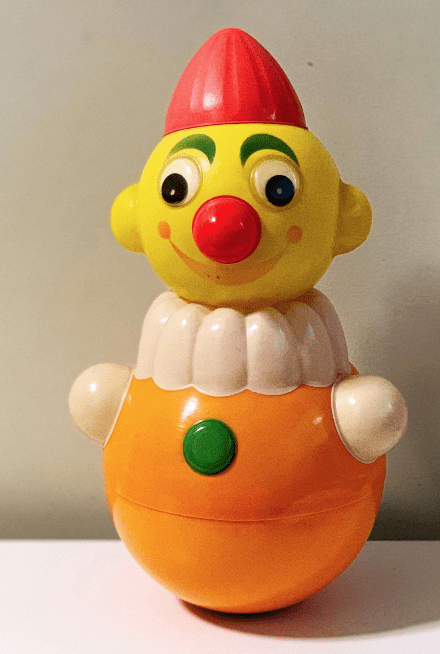
Nursery toy cleaning
Nursery toy cleaning - how to do it
It may sound obvious, but you should ensure that all toys and equipment are suitable for cleaning if being placed in your nursery. If you have toys that cannot be cleaned, then they must be discarded.
Your staff should check all toys and equipment on a daily basis. If anyone thinks that a toy is unsafe, or it is found to be damaged it should be removed immediately and taken to the duty manager for disposal or repair.
How often to clean toys
Nursery staff should clean toys and equipment as frequently as practicable, immediately when visibly soiled, during any suspected outbreak of illness and immediately upon contamination by bodily fluids, (i.e. blood, nasal and eye discharge,saliva, urine, vomit and faeces). Nursery toy cleaning rotas should be made available to all staff and should be displayed in each room.
How to clean hard toys
You should clean hard or plastic toys and equipment by washing them with water and a suitable detergent (see instructions for details on correct usage), followed by thorough rinsing and drying with a clean cloth or towels.
Hard nursery toy cleaning
How to clean soft toys
Dirty and heavily used soft toys should be laundered in a washing machine, following the manufacturer’s washing instructions as detailed on the care label. It will be necessary to dispose of any contaminated soft toys that cannot safely go into a washing machine.
Soft nursery toy cleaning
Toys to avoid in your nursery
There are a number of toys that should be avoided in the nursery setting to remove any unnecessary risks. As a general rule, you should avoid toys that:
Have sharp points, jagged edges or rough surfaces.
Have insecure or small parts that could be swallowed or a choking risk.
Have sharp spikes or pins that could be exposed if a child pulls the toy apart or breaks it.
Computer games and videos with flickering lights that may trigger seizures in epileptic children.
Toys that fire objects.
Staff should ensure that all cleaning products are stored in suitable containers away from the access of children to ensure full COSHH compliance and keeping everyone safe.
At Green Fox Cleaning we provide daily cleaning services to nurseries of all sizes, both independent companies and larger groups with multiple venues.
Our highly vetted cleaning operatives are dedicated to each site, to ensure that personal pride is taken at every site, on every single clean. Our GPS tracking system monitored round the clock ensures you will never miss a clean and risk coming into a dirty nursery, being unable to open.
It is often the case that after a long day keeping all your little visitors safe and entertained all day, the last thing staff want to do is complete a full cleaning of your nursery.
To find out more about how Green Fox Cleaning can clean not only your toys but your nursery and keep it looking great, click here to learn more.