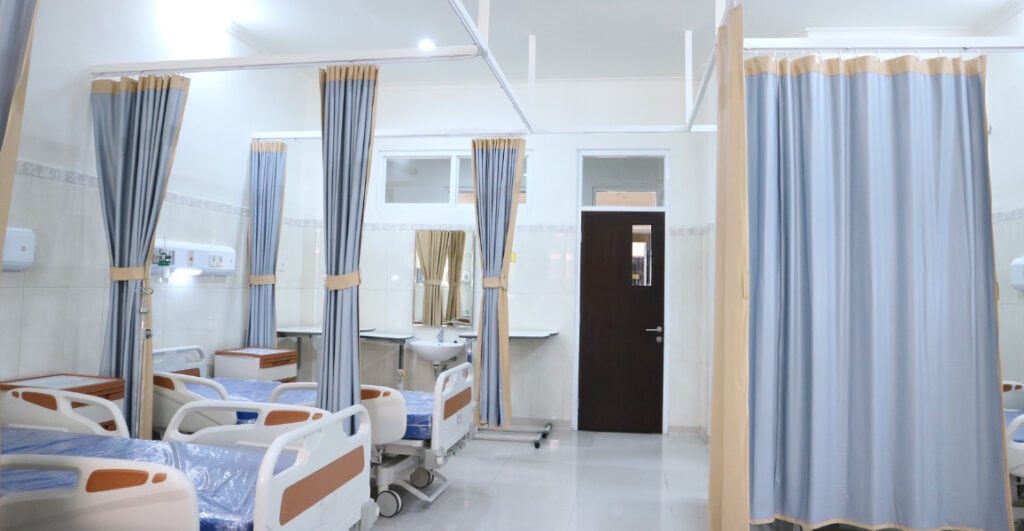
Walk into any treatment room — whether it’s in a GP surgery, a physiotherapy clinic, a dental practice or a specialist medical centre — and you can immediately sense the difference between a room that’s been cleaned properly and one that hasn’t. A clinical space should feel calm, hygienic and ready for the next patient. When it doesn’t, both staff and patients notice.
At Green Fox Cleaning, we’ve cleaned treatment rooms in every condition imaginable. Some are immaculate and simply need consistent upkeep. Others require a complete reset because the cleaning routine hasn’t kept pace with the demands of the building. What we’ve learned is that treatment rooms don’t stay hygienic by accident — they stay hygienic because the cleaning is structured, precise and carried out by people who understand infection control.
(Healthcare & Medical Cleaning Complete Guide For Businesses)
Why treatment rooms need a different level of cleaning
Treatment rooms are high‑risk environments. Patients arrive with a wide range of conditions, and clinicians move quickly between appointments. Surfaces are touched constantly, equipment is handled repeatedly, and the treatment couch becomes the centre of activity.
We’ve taken over sites where the couch paper was changed regularly but the couch frame was overlooked — and that’s exactly where germs linger. A treatment room can look tidy but still be unsafe if the cleaning isn’t done correctly.
(How to Prevent Cross‑Contamination in Medical Settings)
Start with a clear sequence
Cleaning a treatment room isn’t something you improvise. It needs a sequence that prevents cross‑contamination and ensures nothing is missed. We always work from clean to dirty, and from high to low. That means starting with touchpoints and surfaces before moving to sinks, couches and finally the floor.
We’ve retrained teams who were unknowingly cleaning in the wrong order, and the improvement in hygiene was immediate. When the sequence is right, the room stays safer for longer.
The treatment couch needs more than a quick wipe
The couch is the most important surface in the room. It’s where patients sit, lie down and receive treatment. But it’s also one of the most commonly misunderstood areas when it comes to cleaning.
Changing the paper roll isn’t enough. The couch surface, the frame, the levers and the headrest all need proper disinfection. We’ve cleaned rooms where the couch looked spotless but the underside of the headrest told a very different story.
(The Importance of Correct Chemical Contact Times in Medical Environments)
Equipment and touchpoints are the hidden hotspots
Treatment rooms are full of touchpoints that are easy to overlook — light switches, drawer handles, equipment knobs, blood pressure machines, keyboards, taps, soap dispensers. These are the places where germs spread fastest.
We’ve supported clinics where simply adding a structured touchpoint routine reduced infection‑control issues almost overnight. When these areas are cleaned consistently, the whole room becomes safer.
Sinks and hand‑washing stations must be spotless
Sinks in treatment rooms aren’t just functional — they’re part of the infection‑control system. If they’re not cleaned properly, they become a contamination risk. Taps, basins, splashbacks and soap dispensers all need regular disinfection.
We’ve taken over sites where sinks were being cleaned with the wrong products, leaving residue that actually attracted more dirt. Once corrected, the difference was obvious.
Use the right products — and use them properly
A treatment room is only as clean as the products used in it. Medical‑grade disinfectants must be used correctly, and their contact times must be respected. We’ve seen cleaners spray a disinfectant and wipe it instantly, thinking they’re being efficient. In reality, the surface hasn’t been disinfected at all.
Once teams understand contact times, the quality of cleaning improves dramatically.
Colour‑coding prevents cross‑contamination
Colour‑coding is essential in treatment rooms. Cloths used here should never be used in waiting rooms or washrooms. We’ve taken over contracts where colour‑coding wasn’t being followed consistently, and the risk of cross‑contamination was far higher than staff realised.
A clear colour‑coding system removes that risk entirely.
(Why Colour‑Coding Matters in Healthcare Cleaning)
Floors matter more than people think
Floors in treatment rooms collect dust, debris, hair, spilled products and anything patients bring in on their shoes. Even though floors aren’t the highest‑risk surface, they still play a role in infection control. A clean floor also changes how the entire room feels.
We’ve cleaned rooms where the biggest visual improvement came from simply vacuuming or mopping more consistently.
In‑hours vs end‑of‑day cleaning
Some treatment rooms need cleaning between every patient. Others need a midday refresh. All of them need a thorough end‑of‑day clean. We’ve supported clinics where adjusting the timing of cleaning made the workflow smoother for clinicians and reduced the risk of cross‑contamination.
(Daily Cleaning Checklist for GP Surgeries & Clinics)
A clean treatment room supports CQC compliance
CQC inspectors pay close attention to treatment rooms. They look at cleanliness, documentation, product usage and whether the cleaning routine is structured. A well‑maintained treatment room sends a strong message about the practice’s overall standards.
(What Are CQC Cleaning Requirements?)
A safer treatment room starts with consistent cleaning
When treatment rooms are cleaned properly, clinicians work more confidently, patients feel reassured and the entire building benefits from reduced infection risk. It’s one of the most important spaces to get right — and one of the easiest to overlook without a structured routine.
If you’d like to learn more about how we support healthcare providers across the UK, you can visit our healthcare cleaning page here:
👉 Healthcare And Medical Cleaning Service