We would love to hear from you, to discuss how our business can help yours. We would be delighted to visit your premises to provide a free no obligation quote, whether you are yet to employ a cleaning company, or if you are unhappy with your current one. You can either call us on 0333 050 1139 or fill in this form - We will call you back as soon as possible.
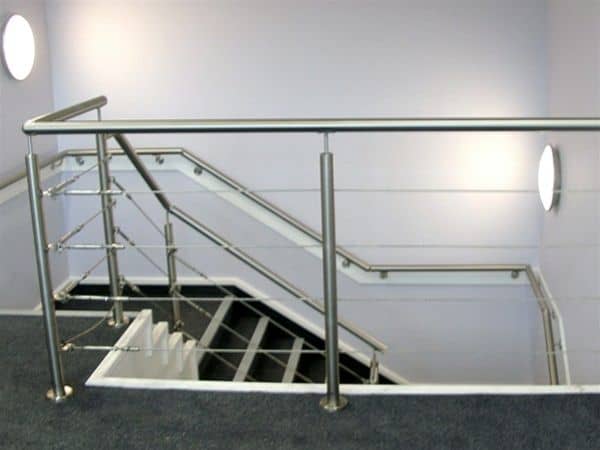
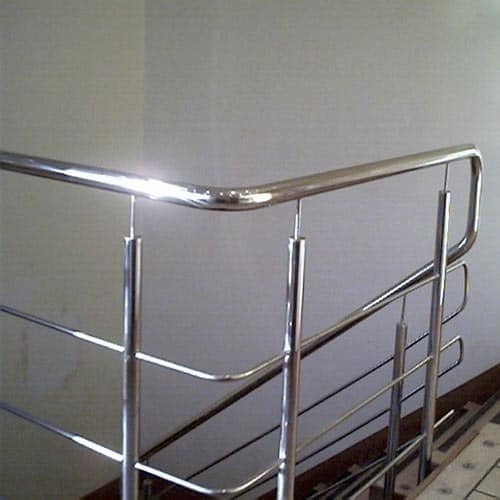
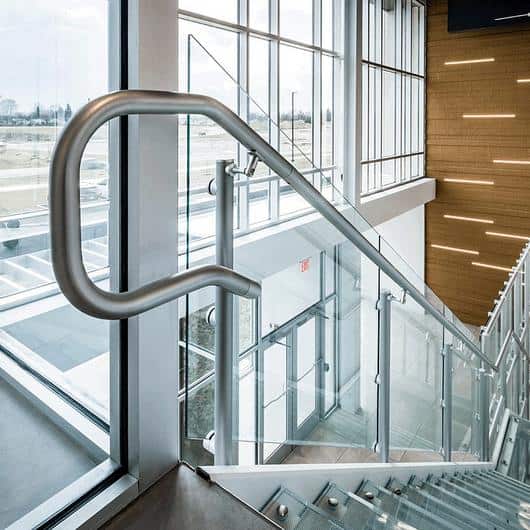
Stainless steel handrails are commonplace in many workplace premises. They look fresh, modern and, when clean, they can be a real eye‑catcher.
Sadly, they can catch the eye for the wrong reasons too. Fingerprints, smears and general dirt can leave these rails looking dull and very sorry for themselves. It’s important to clean stainless steel railings correctly — and regularly — to keep them looking their best.The good news is that keeping your stainless steel railings looking great doesn’t have to involve blood, sweat and tears. After reading this short guide, you’ll know exactly how to clean stainless steel railings without the need for harsh chemicals.
How to clean stainless steel railings without chemicals
Option one – warm water
For daily or regular maintenance, warm water and a soft cloth — ideally a microfibre cloth — is all you need. This removes light marks, dust and fingerprints without damaging the surface.
Have a second dry microfibre cloth ready to fully dry the rail afterwards. If your railings have visible polish lines, always wipe in the same direction to avoid streaks.
Option two – washing‑up liquid and warm water
If it has been a while since your stainless steel handrails were last cleaned, or if they have more noticeable marks, washing‑up liquid mixed with warm water is a great, safe option.
Use a soft cloth to gently clean the surface, then rinse thoroughly with clean water to remove any soap residue. Finish by drying with a clean, dry cloth to prevent water spots.
This method is ideal for deeper cleaning without resorting to chemical cleaners.
Option three – the best way to tackle fingerprints
One of the biggest frustrations with stainless steel is how easily it shows fingerprints. The best way to remove them is to use a glass cleaner with a microfibre cloth.
Spray lightly, wipe gently, then rinse and dry thoroughly. This leaves the surface streak‑free and restores that polished look.
What to avoid when cleaning stainless steel railings
To keep your railings in great condition, avoid the following:
Abrasive pads or scourers — these can scratch the surface
Bleach or chlorine‑based products — they can damage stainless steel
Hard water left to dry naturally — this causes spotting
Scrubbing across the grain — always follow the polish lines
Oil‑based sprays — they can leave residue that attracts dust
A few simple precautions help maintain the long‑term appearance of your railings.
How often should stainless steel railings be cleaned?
The ideal cleaning frequency depends on how busy your premises are:
Daily: High‑traffic areas such as stairwells, reception spaces and public buildings
Every 2–3 days: Medium‑use office areas
Weekly: Low‑traffic or staff‑only areas
Regular light cleaning prevents the build‑up of grime and makes deeper cleaning much easier.
The easiest way to keep your handrails looking great
The simplest way to ensure your stainless steel railings stay spotless is to employ a reliable commercial cleaning company to include them as part of your daily cleaning service.
Green Fox Cleaning are highly experienced in cleaning across all sectors, including office cleaning. Our knowledge and highly trained staff ensure we can keep not only your handrails looking great, but the rest of your premises too.
Click here to learn more about how we can help improve the appearance of your business with ours.
How to disinfect carpet without steam cleaner
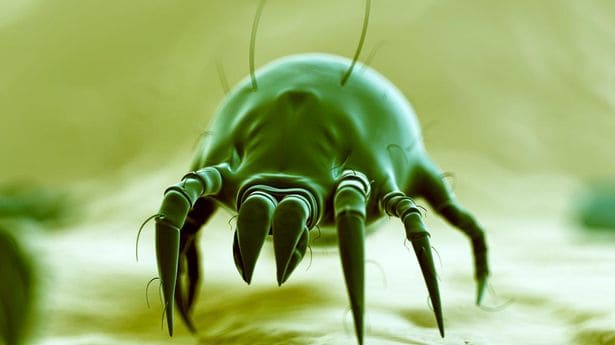
Most workplaces have carpet in at least some areas, and while regular vacuuming keeps the surface looking tidy, it doesn’t disinfect or remove deeper dirt. Carpets trap dust, allergens, spills and bacteria — and over time, these build up in the fibres.
You may notice stains that a vacuum can’t remove, or you might not have considered what bacteria could be living in the warm, soft carpet beneath your feet. That’s why periodic disinfection is essential.
The usual approach is to hire a professional carpet cleaning company, which is always a great option. But if you want to disinfect more regularly between professional cleans, the cost can add up. Fortunately, you can disinfect carpets effectively without a steam cleaner.
How to disinfect carpet without steam cleaner
Equipment needed to disinfect carpet without a steam cleaner
You only need a few simple items:
A bucket
A soft scrubbing brush
Washing‑up liquid
White distilled vinegar
Baking soda
An old cloth
These everyday items are surprisingly effective when used correctly.
Six‑step cleaning process
Step one – clear and vacuum the floor
Move furniture where possible to give yourself a clear working area. Then vacuum the carpet thoroughly to remove dust, crumbs and loose debris.
This step is essential — scrubbing a dirty carpet pushes dirt deeper into the fibres.
Step two – prepare your cleaning solution
Fill your bucket with:
Equal parts cold water and white vinegar
A small amount of washing‑up liquid
Mix well until the solution becomes lightly foamy.
Vinegar disinfects, washing‑up liquid lifts dirt, and cold water prevents colour bleeding.
Step three – time to scrub
Dip your soft scrubbing brush into the solution and begin gently scrubbing the carpet.
Tips for best results:
Don’t saturate the carpet — damp, not soaked
Start in one corner and work methodically across the room
Re‑dip the brush as needed
Apply light pressure to avoid damaging fibres
Once you’ve covered the area, leave the solution on the carpet for five minutes to break down bacteria and grime.
Step four – rinse time
Empty the bucket, rinse it thoroughly, and refill with clean cold water.
Use your old cloth to wipe and rinse the carpet, removing dirt and leftover cleaning solution.
Change the water whenever it becomes cloudy or foamy — clean water is essential for proper disinfection.
Work in a logical pattern to ensure you don’t miss any areas.
Step five – let your carpets dry
Allow the carpet to dry naturally.
To speed up drying:
Open windows
Use fans
Increase ventilation
Make sure the carpet is fully dry before walking on it or replacing furniture.
Step six – fully re‑vacuum
Once the carpet is dry, vacuum again.
This final vacuum:
Removes any remaining residue
Lifts the carpet fibres
Restores the carpet’s appearance
Your carpet will look fresher, feel softer and be significantly cleaner.
Is there a quicker way to disinfect carpet without a steam cleaner?
If the six‑step method feels too time‑consuming, there’s a simple maintenance option.
Mix equal parts vinegar and water in a spray bottle and lightly mist the carpet.
This won’t deep‑clean the fibres, but it will disinfect the surface and keep bacteria levels low between deeper cleans.
Use this method:
once a week, or
at least every two weeks
It’s a great way to maintain hygiene after you’ve done the full scrub.
Why vinegar works so well on carpets
Vinegar is naturally antibacterial and breaks down odours, stains and grime without damaging carpet fibres. It’s safe, inexpensive and ideal for workplaces that want to reduce chemical use.
Combined with washing‑up liquid and baking soda, it becomes a surprisingly powerful cleaning system.
In summary
We hope you found this guide on how to disinfect carpet without a steam cleaner useful. While DIY methods work well for maintenance, the easiest and most effective way to keep carpets looking their best is to hire a professional cleaning company.
New Green Fox Cleaning Commercial Cleaning Brighton & Hove Office Opens
At Green Fox Cleaning, our focus on on delivering an unrivalled, local commercial cleaning service to businesses of all sizes, and in all sectors.
We are delighted to report the opening of our latest Green Fox Cleaning office, providing commercial cleaning services covering Brighton, Hove, Lewes, Worthing, Shoreham by Sea, Lancing, Arundel and all surrounding areas.
Commercial cleaning Brighton & Hove
Good commercial cleaning Brighton & Hove
Our Brighton and Hove office provides commercial cleaning services in all sectors, including schools, offices, leisure and much more. From some clients having just a few hours per week at smaller sites, to daily cleaning services with dedicated cleaning teams with supervisors at larger sites, you can be assured that we are small enough to care, but large enough to cope.
Our experienced Contract Manager Anita Csorba oversees daily operations and service delivery, supported by a fantastic management and office administration team, cleaning supervisors and cleaning operatives who work round the clock for our clients.
Anita started as a school cleaning supervisor with us and has progressed within the company thanks to her constant hard work and desire to deliver the highest possible levels of client and employee satisfaction.
With our founding directors Paul and Daniel Barrett having served in excess of 15 years each within the Police service, so our clients can be assured of the very highest levels of cleaner vetting, and client safeguarding.
Anita and her fantastic Brighton and Hive team are already providing daily commercial cleaning services for clients in numerous sectors, including the following:
Office cleaning
School cleaning
Veterinary practice cleaning
Casino cleaning
Retirement living premises cleaning
Restaurant Cleaning services
Pub cleaning services
Commercial cleaning Hove and Brighton
A number of these clients are serviced 7 days a week, 365 days a year, with dedicated cleaning operatives working round the clock!
When selecting a company for commercial cleaning Hove, Commercial cleaning Brighton or the surrounding areas, check if they offer the following:
24-hour client support line, so you can contact them when you need them the most
GPS tracked staff monitored live time to ensure you never miss a clean!
Highly trained cleaning staff who are fairly paid - not paid the minimum wage
Use eco friendly effective cleaning products, to reduce plastic wastage
If you have a cleaning company in place that you aren't fully satisfied with, or are looking for a new provider, our Brighton & Hove office be delighted to provide a free, no obligation quote for commercial cleaning services.
To find out more how our Brighton & Hove commercial cleaning team can help improve the appearance of your premises or business with their commercial cleaning services, call 01273 977 843 or to click here to learn more.
Learn more about Brighton and Hove and the surrounding region at this link.
Commercial cleaning in Brighton and Hove is about to have a wake up call, with Green Fox Cleaning well and truly now established in this wonderful City and surrounding areas!
Commercial cleaning Hove and Brighton
Three fun facts about Brighton
1. 'Brighton' is not the city's full name An important first fact is that Brighton is actually formally known as the city of Brighton and Hove. The towns of Brighton and Hove formed a unitary authority in 1997 and were granted city status by Queen Elizabeth II in 2001. Many local residents still consider Brighton and Hove to be two to be separate towns, rather than a single city.
2. Brighton has a nickname Thanks to its cosmopolitan nature and setup, Brighton is sometimes also referred to as 'London by Sea'.
3. Brighton is home to Britain's oldest cinema A well-known landmark in Brighton is the historic Duke of York's cinema– it is widely reputed to be the oldest cinema that has remained in continuous use in Britain.
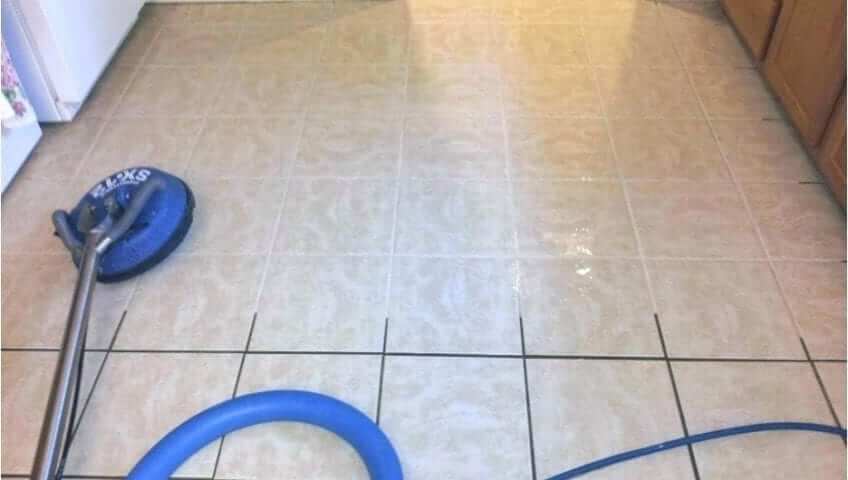
What is the best cleaning solution for ceramic tile floors?
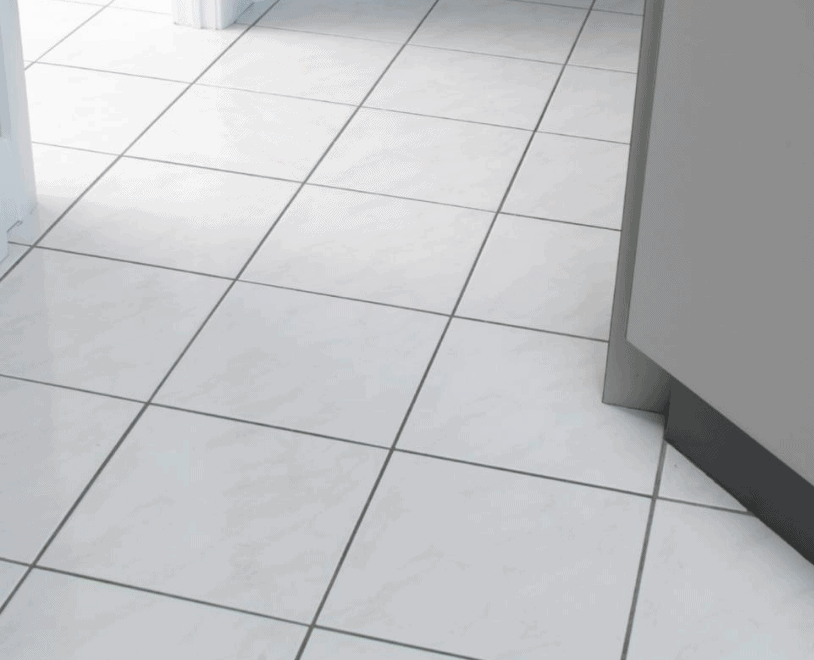
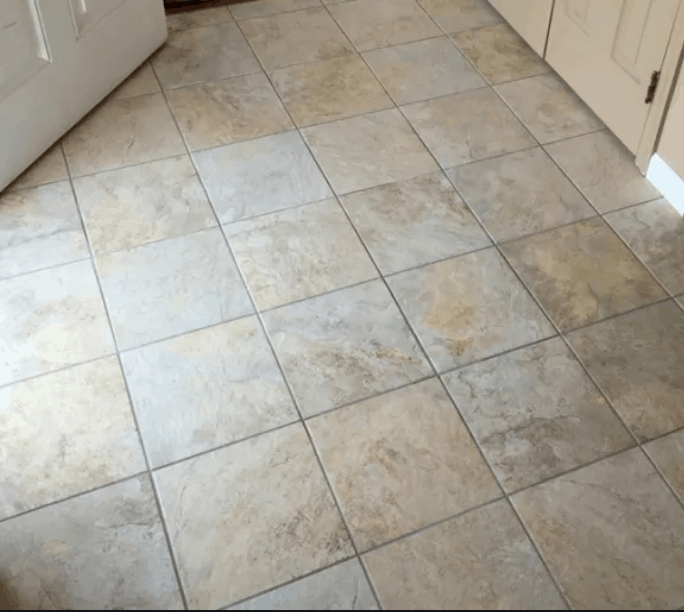
Ceramic tiles come in a huge range of designs and can look fantastic — but only when they’re clean, shiny and free from stains. If you’ve ever wondered what is the best cleaning solution for ceramic tile floors, this guide will give you everything you need to keep them looking their absolute best.
Learn the best cleaning solution for ceramic tile floor
Start with the basics: don’t let dirt settle
One of the most important parts of caring for ceramic tile floors is preventing dirt and spills from settling. The longer grime sits on the surface, the harder it becomes to remove — especially from grout lines.
A quick wipe or sweep as soon as something spills makes ongoing maintenance far easier.
Regular maintenance is essential
Ceramic tiles are durable, but they still need regular care to stay in top condition. The most effective routine includes:
Sweeping or vacuuming to remove loose dirt
Damp mopping with warm water
Using a suitable cleaning product when needed
A quick daily sweep prevents grit from scratching the tiles, while warm water mopping helps maintain shine and prevents dullness.
Even the best cleaning solution will struggle if the floor isn’t maintained regularly.
So, what is the best cleaning solution for ceramic tile floors?
The good news is that one of the best cleaning solutions is something you already have at home:
Warm water.
Warm water alone is highly effective for everyday cleaning and helps keep tiles looking bright and fresh.
If you want a little more cleaning power, try this simple and extremely effective mixture:
DIY Tile Cleaning Solution
1 cup white distilled vinegar
5 litres of warm water
Vinegar cuts through grease, removes light stains and neutralises odours. The smell disappears quickly, but if you prefer, you can add:
a few drops of essential oil (lemon, orange, lavender), or
a splash of lemon juice
This gives a fresher scent without affecting cleaning performance.
Why this works so well
Vinegar is mildly acidic, which helps break down soap scum, grime and mineral deposits — all without damaging ceramic tiles.
You’ll struggle to find a shop‑bought product that performs significantly better than this simple mix.
Important: use a damp mop, not a wet mop
Ceramic tiles can handle moisture, but the surrounding areas (grout, skirting boards, furniture legs) may not.
A damp mop:
cleans more effectively
dries faster
reduces streaks
prevents water pooling
lowers slip risk
A wet mop simply spreads dirty water around and can damage nearby surfaces.
How to keep tile grout looking good
Grout is often the first part of a tiled floor to look dirty. Even when tiles look spotless, discoloured grout can make the whole floor appear tired.
To clean dirty grout:
Mix equal parts hydrogen peroxide and water. Apply with a toothbrush (not your everyday one!) and gently scrub the grout lines.
Hydrogen peroxide lifts stains and brightens grout without harsh chemicals.
Well‑maintained grout is far easier to clean than neglected grout — and it makes a huge difference to the overall appearance of your floor.
Why ceramic tiles are so easy to maintain
(Human‑sounding, no AI‑flag patterns)
Ceramic tiles are popular for good reason:
They resist stains
They don’t absorb odours
They’re hygienic
They’re tough and long‑lasting
They’re easy to clean
When cared for properly, ceramic tiles can look almost new for years with very little effort.
In summary
We hope you’ve found this guide on the best cleaning solution for ceramic tile floors useful. With regular maintenance and the right cleaning mixture, keeping your tiles looking great is simple and cost‑effective.
The easiest way to keep floors looking their best in the workplace is to hire a professional cleaning company.
Do you know how to clean a portable fan? Have you ever deep‑cleaned your office fans?
Portable fans are a constant fixture in many workplaces and homes. Although most people only think about them during the warmer months, plenty of us run them throughout the year for airflow and comfort.
Because they move air around the room, fans naturally collect dust, fluff and general debris. Keeping them clean is important not only for appearance, but also for maintaining a hygienic workplace for staff and visitors.
For day‑to‑day cleaning, a quick vacuum over the outside using a brush attachment — or a wipe with a microfibre cloth — is usually enough. But every so often, a deeper clean is needed to keep the fan running efficiently. Here’s how to do it properly.
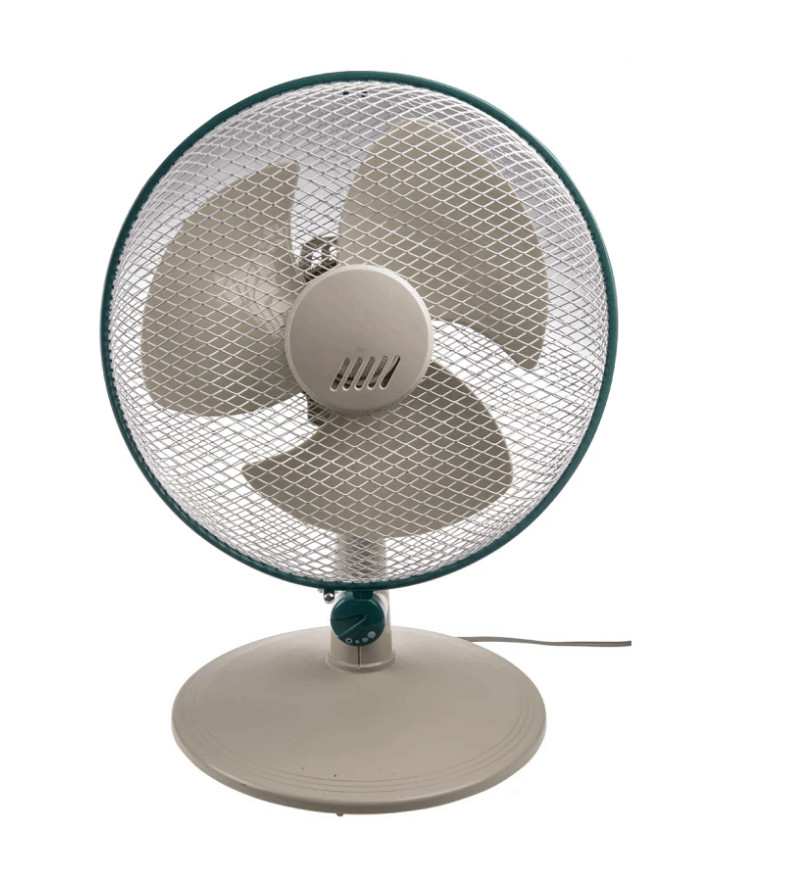
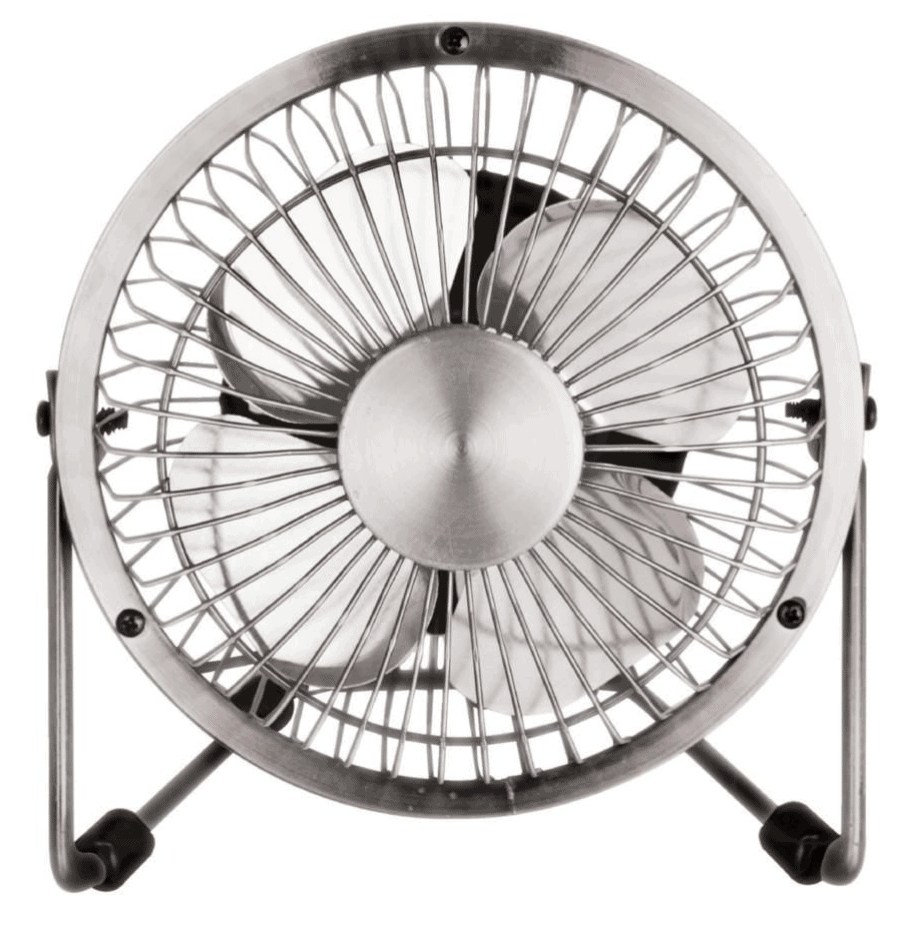
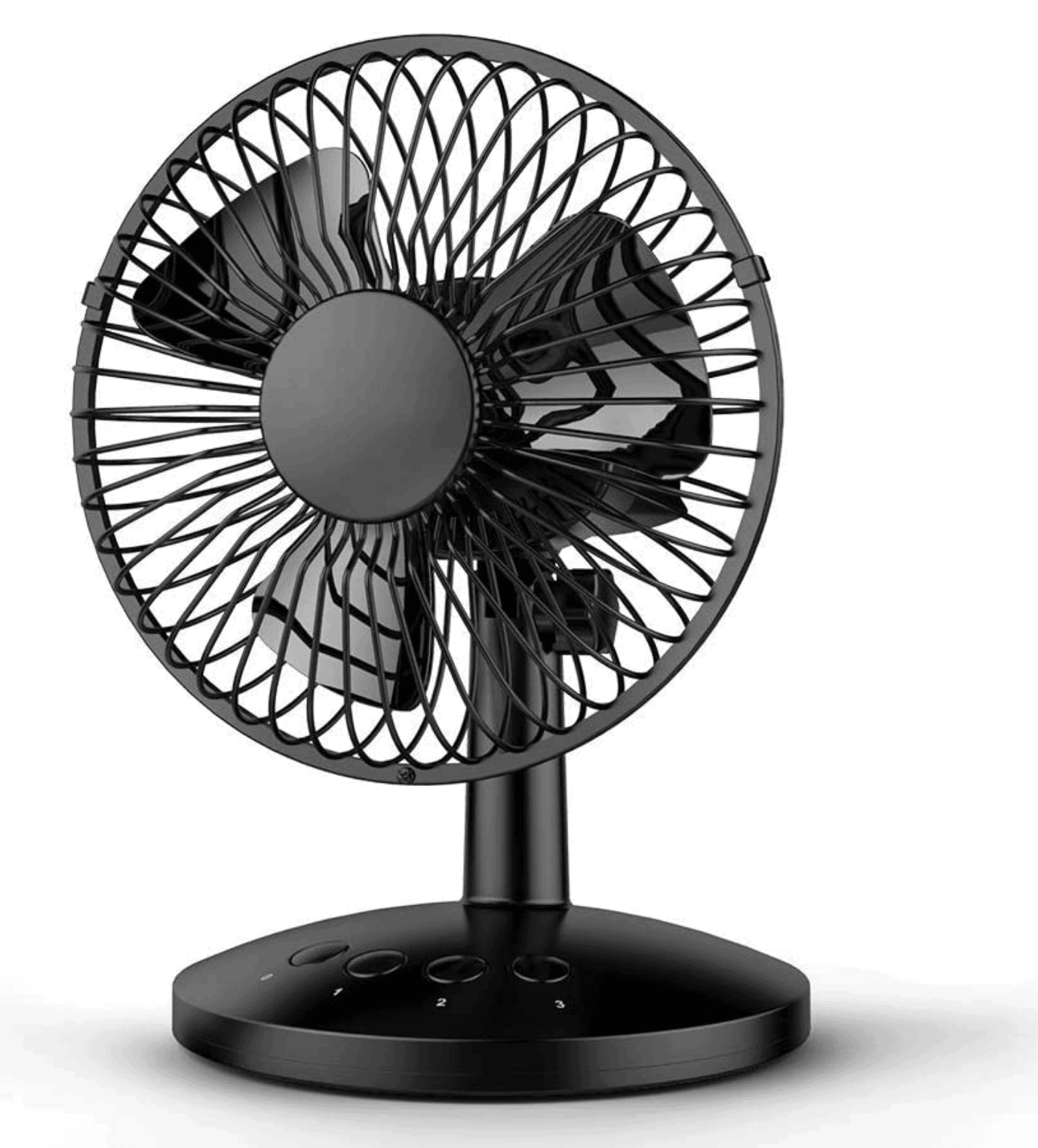
Portable fans come in a range of shapes and sizes
Safety first
Before you start cleaning a portable fan, safety needs to come first. Always unplug the fan and wrap the cable out of the way before you begin. If you start cleaning with the protective cover removed and accidentally press a button, the blades could spin — and that can cause a serious injury.
Remove the front safety cover
Most portable fans have a clip that allows you to pop the front protective grill off. Some models use small screws instead. If yours does, place the screws in a small bowl so they don’t go missing. Cleaning a fan thoroughly is great — but not if you can’t put it back together afterwards.
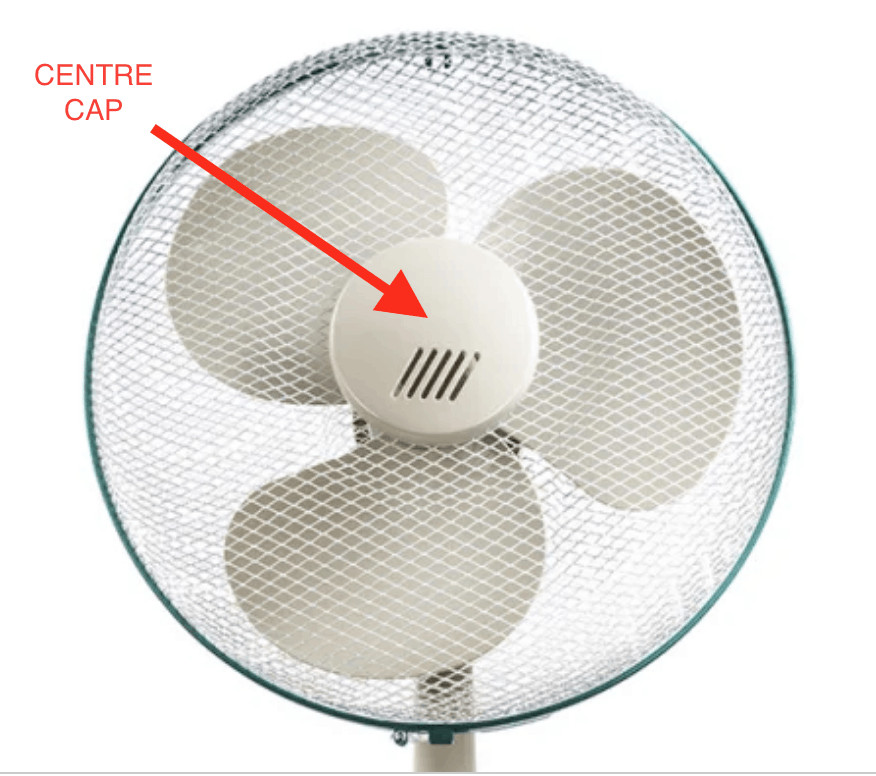
Remove the fan centre cap
Once the grill is off, the next step is to remove the centre cap. This is the round disc in the middle of the fan that holds the blades in place.
Remove the fan blades
After removing the centre cap, the blades should slide off easily. Some fans have a small holding screw — if so, keep it with the others so nothing gets lost.
Remove the rear grill safety cover
The last part to remove is the rear grill. Like the front, it may simply slide off, or it may have a small screw holding it in place.
Vacuum all parts of the fan
Vacuum each part of the fan you’ve dismantled to remove dust and debris. A brush attachment works best, but if your vacuum doesn’t have one, a microfibre cloth will do the job. Don’t forget to clean the main stand or base of the fan as well — dust gathers there too.
Fill a large bowl, sink or even the bath
To clean the fan blades, protective grills and centre caps properly, submerge them in warm water mixed with washing‑up liquid. Fully soaking the parts ensures every surface is cleaned, including areas you can’t easily reach by hand.
Dry the components and reassemble
Rinse everything thoroughly and make sure all parts are completely dry before reassembling the fan. Any moisture that gets into the motor can cause damage, so take your time with this step. Having kept the screws safe earlier will make putting the fan back together quick and straightforward.
Why deep‑cleaning a fan matters
Fans don’t just move air — they move whatever is floating around in it. Dust, pollen, hair and general debris all get pulled through the grill and can build up on the blades and motor housing. Over time, this can make the fan noisier, less efficient and even produce an unpleasant smell when switched on.
A proper clean every few months keeps the fan running smoothly and helps reduce allergens in the workplace. It also extends the life of the fan, which saves money in the long run.
How often should you clean a portable fan?
How often you clean your fan depends on how much you use it and where it’s kept. A fan in a busy office or workshop will gather dust far quicker than one in a quiet meeting room. As a general rule:
Light use: every 3–4 months
Daily use: every 4–6 weeks
Dusty environments: every 2–3 weeks
If you notice the fan looking grey, blowing dust or sounding louder than usual, it’s probably overdue a clean.
In summary
We hope this guide on how to clean a portable fan has been useful, and that you’ll now build deeper cleaning of your fans into your workplace cleaning schedule.
The easiest way to keep your fans — and the rest of your workplace — clean and hygienic is to hire a reliable commercial cleaning company. Click here to learn more about Green Fox Cleaning, and how we can help improve the appearance of your business with ours.
Now more than ever, it is essential that every care home owner and employee is fully aware of the key areas to clean, to keep residents, staff and visitors alike safe.
Since the discovery of COVID-19 and the horrendous number of lives lost within the care home setting, it is essential that cleaning is completed the highest possible standard every single day, even with the roll out of a vaccine now underway.
As the rules allow family to visit once more and footfall increases, so does the risk of the spread and transfer of germs and bacteria.
With the Care Quality Commission (CQC) inspections focusing on cleaning as a key area of the running of a successful care home, a clear schedule and routines need to be in place. However a cleaning scheudle targetting the wrong areas, or one not focusing on the most high risk areas often enough, is simply not an option.
Effective cleaning arrangements should be in place which ensure that care homes are kept clean, tidy and free from offensive odours throughout. This ensures that premises provide a high standard of accommodation and both a pleasant environment for residents to live in and for staff to work in.
Effective cleaning will also help to achieve high standards of infection control, particularly during outbreaks of illness, as long as key areas to clean are targeted.
It is however very important that a care home keeps a homely feel, which it is for the residents. They need to feel calm and relaxed, with cleaning being as invisible as possible. As long as residents know good cleaning processes are in place, that is all that is required from their point of view.
The purpose of this blog is to highlight 11 key areas to clean on a very regular basis in your care home.
Key areas to clean in care homes
11 Key areas to clean in care homes
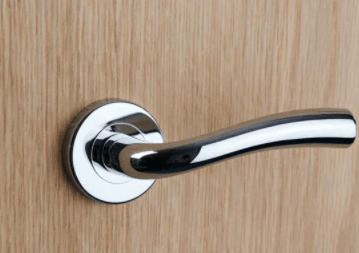
Door handles
When thinking of key areas to clean in a care home, we need to consider those that have the highest risk of harbouring and spreading bacteria and germs. Door handles are touched by many people throughout the day, including residents, staff and visitors. It is therefore essential that door handles are not only sanitised in the evening, but continually throughout the day. In addition to this, regular hand washing should be encouraged by all.
Key areas to clean
Handrails and stairlifts
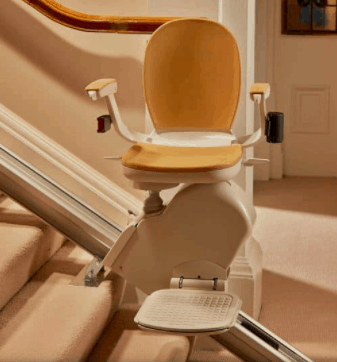
Much like door handles, handles will be touched throughout the day by many people and are at high risk of harbouring and spreading germs. The same is true of stairlifts, which various residents will sit on and hold on to the handles throughout the day. These are a key area to clean throughout the day, with a suitable sanitiser.
Handrails and stairlifts require regular cleaning
Bed frames
Regular cleaning of bed frames is essential not only to keep free of dust and prevent any dust allergies, but sanitisation will also keep them safe and clean when touched by residents when getting in and out of bed, as well as members of staff assisting.
Wheelchairs
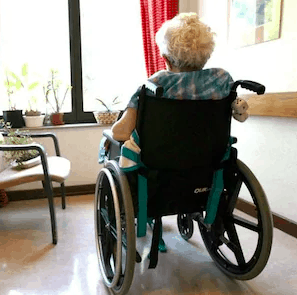
Wheelchairs can be used by numerous residents throughout the day. It is therefore essential that they are sanitised fully between uses by different residents, and that frames and wheels are cleaned and inspected for damage periodically also. They should be high on the list of key areas to clean.
Toilets and washrooms
Perhaps a more obvious choice when it comes to key areas to clean in a care home are toilets and washrooms. These can be used by many residents throughout the day, and the risk of spreading germs and bacteria is obvious.
You should ensure that there are detergent wipes available in each toilet. Throughout the day you should check levels and replenish soap and hand towels as needed. You should ensure there is no limescale buildup as part of your cleaning schedule.
Light switches and pull cords
Another high touch point and therefore key area to clean in a care home setting is light switches, pull cords and similar. They should be sanitised throughout the day with a suitable product. They are a firm favourite in our 11 key areas to clean in care homes, and rightly so.
Tables
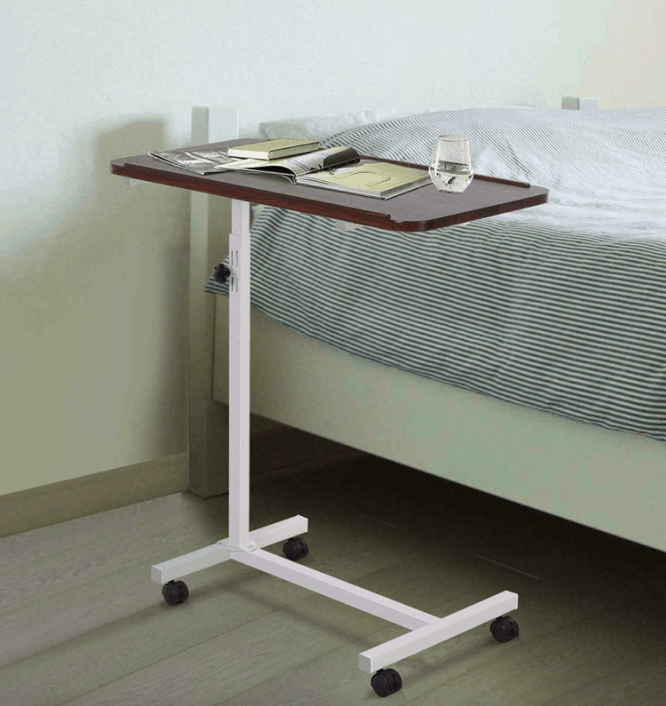
Whether your tables for residents are on wheels, on frames or larger static tables, they are a key area to clean and should be regularly cleaned. This should always be the case when a mobile table is finished with by one resident, before passing to the next.
Mobile tables require require cleaning
Floors - both hard and carpet
Floors require regular cleaning which should take place daily, with immediate action taken in response to any spillages. A suitable detergent should be used to kill any germs.
With regard to carpets, periodic professional carpet cleaning should be completed to deeper clean the carpets and remove the risk of odour, and any nasties hiding within the carpet.
Ledges
Ledges around your care home should be scheduled for regular cleaning. This will prevent the build up of any dust, and sanitising any ledges that are touched on a regular basis will also prevent the risk of the spread of diseases.
Bath hoists
Bath hoists are a key area to clean, and should be cleaned and fully sanitised after each use to keep them clean and safe for the next user. A suitable sanitising product should be used to complete this task.
Medicine trolleys and cupboards
Our final key area to clean is medicine trolleys and cupboards. The contents of these are there to protect residents, so it is essential that where the medicines are kept is clean, sterile and safe.
In summary
Every area in a care home setting can be considered one of the key areas to clean, and rightly so. Detailed cleaning is required throughout a care home, with key areas focused on throughout the day.
The easiest way to ensure your cleaning is CQC compliant and completed to the highest possible standard is to outsource your cleaning to a good commercial cleaning company. It is essential that any company you select is aware of CQC requirements, and fully understand the need for high levels of cleaner vetting to ensure full safeguarding.They will fully understand the key areas to clean in your setting.
At Green Fox Cleaning we are experienced at transferring existing cleaners to our company to protect their jobs under TUPE legislation.
Our experience in providing cleaning services to both the retirement living sector (click here to learn more) and healthcare setting (click here to learn more) gives us the perfect knowledge and experience to clean within a care home setting.
We all spend a lot of time sitting in our office chair. It is therefore important that your chair is kept fresh, hygienic and smelling great. It shouldn't only be incidents such as accidental coffee spillages on our chair that make us consider cleaning it.
How often should office chairs be cleaned? The simple answer to this is that there is no exact answer. Factors that will influence the frequency of cleaning your office chair will include the following considerations:
The amount of use the chair receives
The clothing being worn when sitting on the chair - for example is it covered in animal hair if you have a cat or dog at home?
What material the chair is made from
If you know how to clean your office chair!
The actual frequency can vary anywhere between once a week, to once a year dependant on individual preference. We would recommend this is done at least once a month as an absolute minimum, but ideally more often.
This is for actual cleaning of the chair and not just a vacuum off, which should be done in every cleaning session.
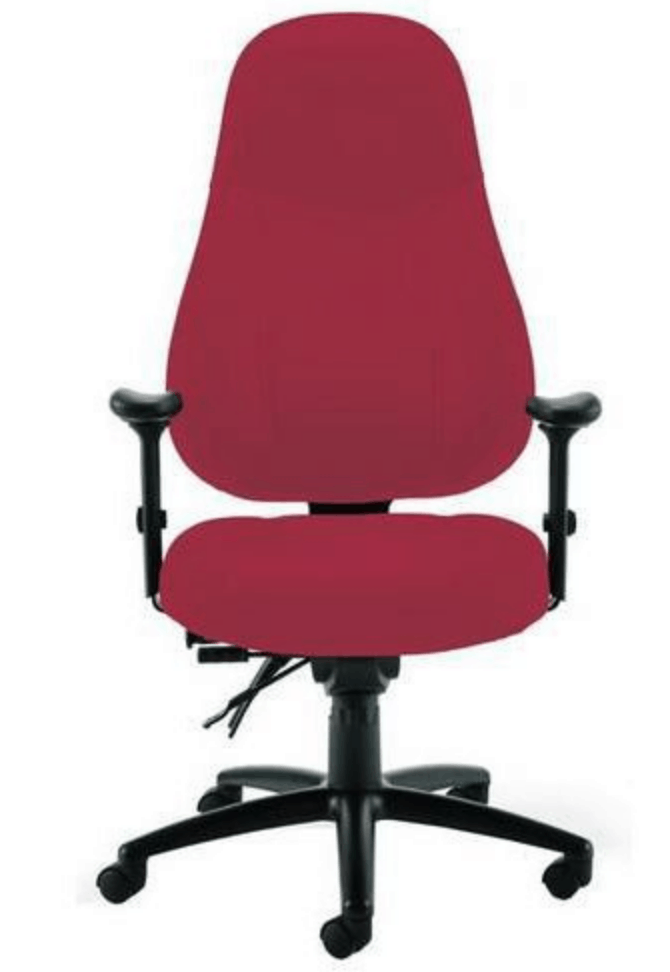
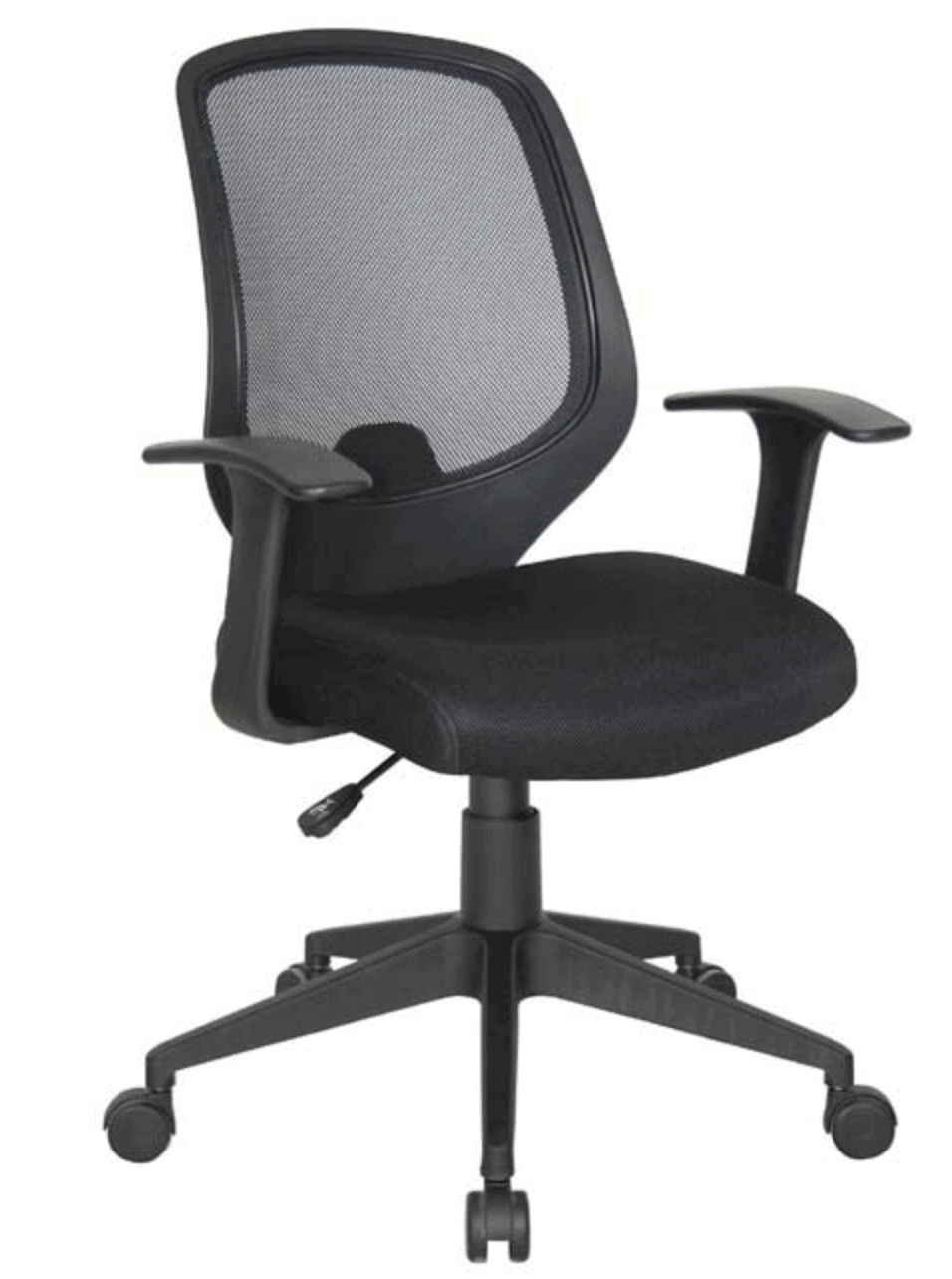
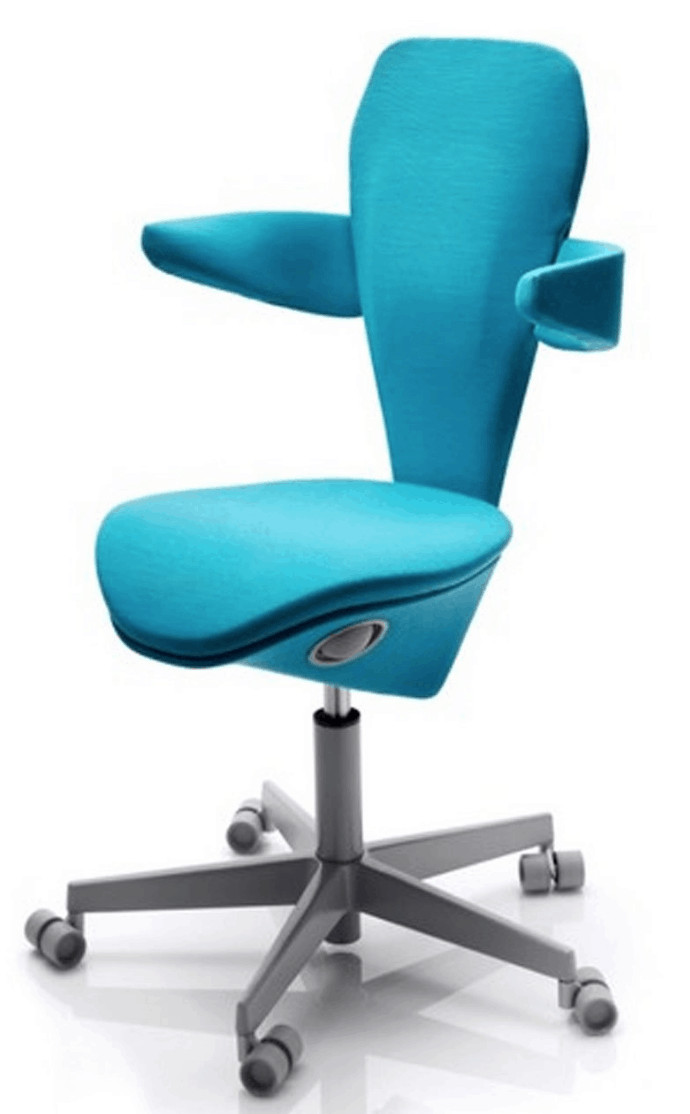
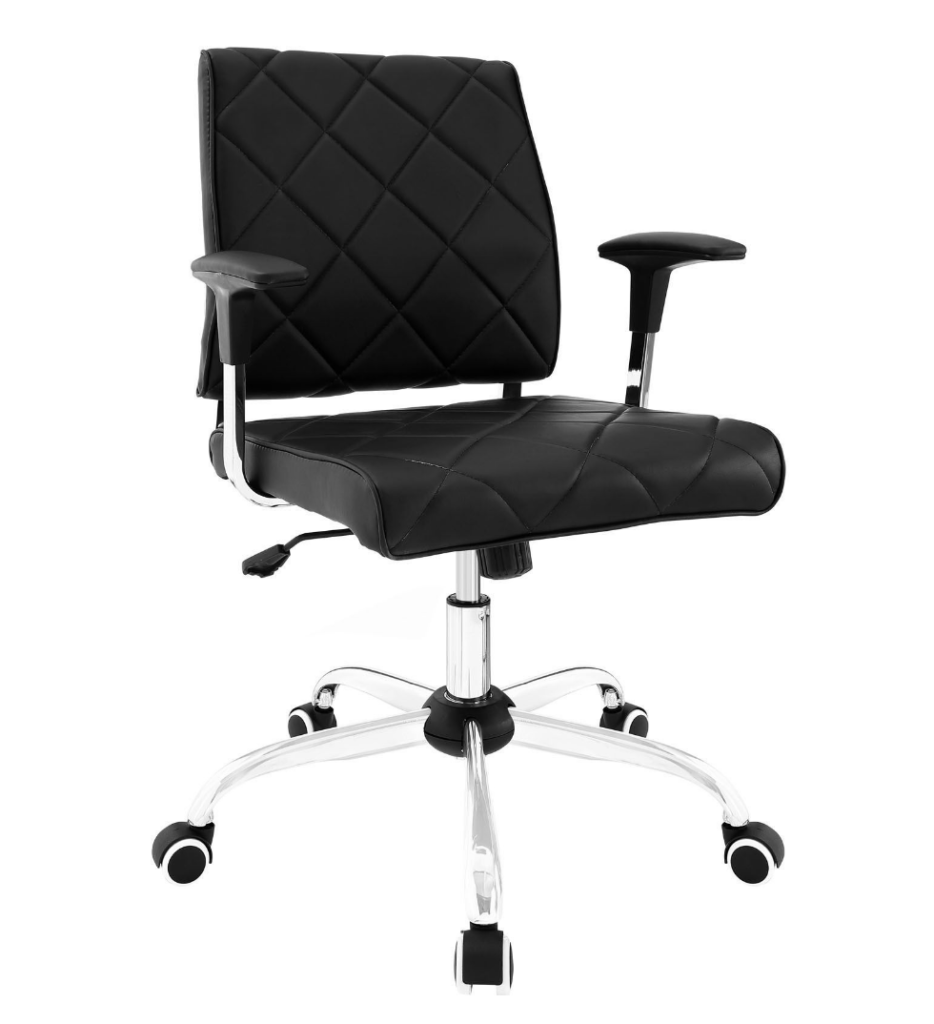
Office chairs come in all shapes and sizes
Best cleaning processes for office chairs made from different materials:
How to clean a fabric office chair
Fabric office chairs are the most commonly seen due to the value they offer.
The first step of cleaning this chair is to vacuum the chair all over to remove any hair and debris as far as possible. Vacuum attachments can make this task more easy - learn more about picking the best vacuum for your office by clicking here.
After you have done this, check any labels on your chair for manufacturers guidance on how to clean, as some materials may have limits on what products can be used on them.
Assuming the instructions don't prevent the use of water, you have a few options available to you. A foam cleanser can be applied to the whole chair, and left for a few minutes to allow contact time and the product to work. You can then use a non abrasive brush to carefully remove any marks. After this process, use a damp (not wet!) cloth to carefully remove any residue remaining on the chair to prevent marking the upholstery.
Another simple option is just the use of washing up liquid and water. Mix a few drops of washing up liquid and dab marks off the chair. Use a damp cloth after to remove any remaining marks.
Don’t forget to clean the chair wheels and armrests, which can get very dirty too and can also be cleaned with the same solution!
If the manufacturers label states that you are unable to use water-based cleaners, use a dry cleaner, which come both in liquid and powder forms.
How to clean mesh office chairs
Mesh office chairs and becoming more and more popular now, offering great support and also a breathable back. On the face of it, cleaning them may appear a daunting tasks, however this couldn't be further from the truth.
The best cleaner for mesh is washing up liquid, so not heading to the shops for specialist products required!
Begin by vacuuming with the brush attachment to get rid of any loose debris.
Mix together a small amount of washing up liquid and warm water and dip a clean cloth in it. Wring it out if necessary. Wipe out stains and let air dry when you are done. It really is that simple!
Don’t forget to clean the chair wheels and armrests, which can get very dirty too and can also be cleaned with the same solution!
Cleaning plastic office chairs
Plastic chairs are the easiest of chairs to clean. The most efficient and effective way to clean a plastic office chair is to use a mixture of washing up liquid and water. If the chair is very dirty, try mixing a few drops more of washing up liquid into the cleaning mixture to increase the strength. You can also use a sanitiser to fully sanitise and fully disinfect on each clean.
Gently wipe out any remaining stains and rinse with a damp cloth until clean.
Don’t forget to clean the chair wheels and armrests, which can get very dirty too and can also be cleaned with the same solution!
How to clean leather office chairs
Leather does tend to absorb oils from your body more readily, but stains can usually be lifted reasonably well, as long as you use the right cleaning product and technique to complete the task.
The best product for cleaning an office leather chair is to purchase a gentle foam cleaner that is suitable for use on leather chairs. Always aim for a gentle foam cleaner, as those for leather furniture can be more harsh and may damage your chair when being used.
Apply a small amount of cleaning foam to a dry cloth and gently scrub the leather, paying particular attention to any obvious stains. Add a small amount of warm water to the foam. Use a clean cloth to wipe the leather office chair clean and dry. For extra protection for your leather office chair, you may wish to consider adding a leather protectant.
Don’t forget to clean the chair wheels and armrests, which can get very dirty too and can also be cleaned with the same solution if leather, or a mixture of washing up liquid and warm water if not!
The easiest way to keep your office chairs and whole office looking great is to hire a professional cleaning company to take care of this for you. Learn more about Green Fox Cleaning and our office cleaning service by clicking here.
What are cleaning chemical contact times?
When you apply a disinfectant or any cleaning product, it’s essential to know that you’re using it correctly. Every product is designed to work in a specific way — and if it isn’t used as intended, it simply won’t deliver the level of cleaning or disinfection you expect.
Keeping surfaces and equipment clean is vital for maintaining hygiene standards and reducing the risk of illness among staff and visitors. But even the best cleaning product won’t work properly unless you follow one key rule:
The product must stay wet on the surface for the correct amount of time.
This is known as the contact time.
In simple terms, contact time is the length of time a disinfectant needs to remain wet on a surface to be effective. If it dries too quickly — or is wiped away too soon — it cannot kill the bacteria or viruses it was designed to target.
How long are cleaning chemical contact times?
Contact times vary widely depending on the product and what it is designed to kill.
Some examples:
15–30 seconds: Fast‑acting sanitisers
30–60 seconds: Most general disinfectants
Up to 30 minutes: Specialist chlorine‑based products used in laboratories
The longer the required contact time, the harder it is for staff to use the product correctly. Imagine applying a disinfectant and having to ensure it stays visibly wet for half an hour — it’s simply not practical in most workplaces.
This is why product selection matters. Shorter contact times mean better compliance and more reliable results.
Why is following these times important?
In the post‑COVID world, correct chemical usage has never been more important. Manufacturers test their products extensively to determine the minimum time needed for the disinfectant to work effectively.
For example:
If a sanitiser has a 60‑second contact time, it must stay wet on the surface for the full 60 seconds. If it dries in 20 seconds — or is wiped off immediately — it cannot perform as intended.
We’ve all seen it happen: a restaurant worker sprays a table and wipes it instantly. It looks clean, but the disinfectant hasn’t had time to work.
This means:
bacteria and viruses remain on the surface
the product is being wasted
hygiene standards are not being met
Correct contact times are essential for effective infection control.
What affects contact time?
Several factors can shorten or lengthen contact time:
Airflow: Fans, open windows and air‑conditioning reduce wet time
Surface type: Porous surfaces absorb liquid more quickly
Amount applied: Too little product dries too fast
Cloth quality: Some cloths absorb product before it reaches the surface
Understanding these factors helps staff apply products correctly.
How to ensure staff follow contact times
A few simple steps make a big difference:
Use products with short contact times
Train staff on correct application
Use colour‑coded cloths to avoid cross‑contamination
Avoid “spray and wipe immediately” habits
Display quick‑reference cleaning guides in key areas
Good training and the right products lead to consistent results.
How Green Fox Cleaning ensures correct contact times
At Green Fox Cleaning, we carefully select products with short, effective contact times. This allows our highly trained staff to work efficiently while still achieving excellent hygiene standards.
Our teams are trained to:
apply products correctly
follow manufacturer guidance
ensure surfaces remain wet for the required time
avoid cross‑contamination
use the safest and most effective methods for each environment
In summary
Cleaning chemical contact times are essential for ensuring disinfectants work properly. If a product dries too quickly — or is wiped away too soon — it cannot kill the bacteria or viruses it was designed to target.
Using the right products, with the right training, ensures your workplace stays hygienic and safe.
How to select the right cleaning company for your school
Selecting the company for school cleaning services to undertake daily cleaning services for your school or other educational premises is essential. With high numbers of staff and pupils attending your premises on a daily basis, the provision of a clean and safe environment is essential. Learn more here about making the right choice, first time.
Schools require all staff to be highly vetted to fulfil safeguarding requirements, and 100% trustworthy. It is important when making a decision that you look at the value being offered by the company, and not just the headline price.
Time and time again we hear from schools that have engaged the services of a national cleaning company that have promised the world, but failed to deliver. A lack of local presence will often mean little or no support when you most need it.
With us providing daily cleaning services to schools and academies of all sizes throughout Hampshire, West Sussex and East Sussex, we have written this article to help you make a safe choice, and ensure you can focus your efforts on developing your pupils, and not worrying about the cleaning of your school!
"We are really pleased with the standard of cleaning and professional service we receive from Green Fox Cleaning. Personally it means that my workload is decreased and I have the confidence to leave that side to the site Manager knowing I don't have to worry."
School Business Manager - Hampshire
School cleaning services Sussex
Top 5 questions to ask when selecting a company for school cleaning services
There are a number of key considerations when selecting a commercial cleaning company for your school cleaning services. Here are five key points we would recommend you ask any company when they come to quote for your school cleaning services.
1 - "Are your cleaning staff directly employed, and how are they vetted?"
Don't be afraid to ask this. Some companies use subcontractors and "self-employed" staff to avoid needing to pay pension, holiday pay etc. What this means in reality is they have little or no control over who is coming through your door each day. All Green Fox Cleaning staff are directly employed. Our vetting is high and will include background checks through various sources, enhanced DBS checks at all school sites, where the highest levels of vetting for safeguarding compliance are required. With our company Directors being former Police Officers with over 30 years service between them, you can be assured that client safeguarding is at the top of our list.
2 - How do the cleaning company train their staff?
A highly trained cleaner will take pride in their role following a proper investment in them by their employer, making them more efficient and ensure they clean to a far higher standard than an untrained cleaner. All Green Fox Cleaning employees are trained by our in-house British Institute of Cleaning Science (BICSc) trainers.
School Cleaning Staff require regular training
3 - "Can you GUARANTEE our school will be fully cleaned every day, even if any of our regular cleaners are sick at short notice?"
Turning up in the morning to find your school has not been cleaned is pretty much the worst case scenario when outsourcing your daily school cleaning services. At Green Fox Cleaning, we operate a live GPS employee attendance management system which is monitored 24/7 live-time by an on-call manager. In the event a cleaner doesn't arrive as expected, an on-call manager is alerted immediately and will investigate, and deploy one of our mobile team if required, to ensure you NEVER turn up to a dirty school!
4 - "What happens if our regular cleaners are off sick?"
Many national cleaning companies do not have access to a good local team, able to respond to unexpected sickness or other absences. We hear horror stories of site managers having to clean their school, where a national cleaning company has failed to deliver the contracted hours. With Green Fox Cleaning, our local approach with local offices and local staff means you will always have the support you need. Our friendly local management team are always on hand with our 24-hour client support line, and will be familiar faces when completing regular site visits to ensure the highest standards are being maintained.
5 - What cleaning products and machinery do the company use?
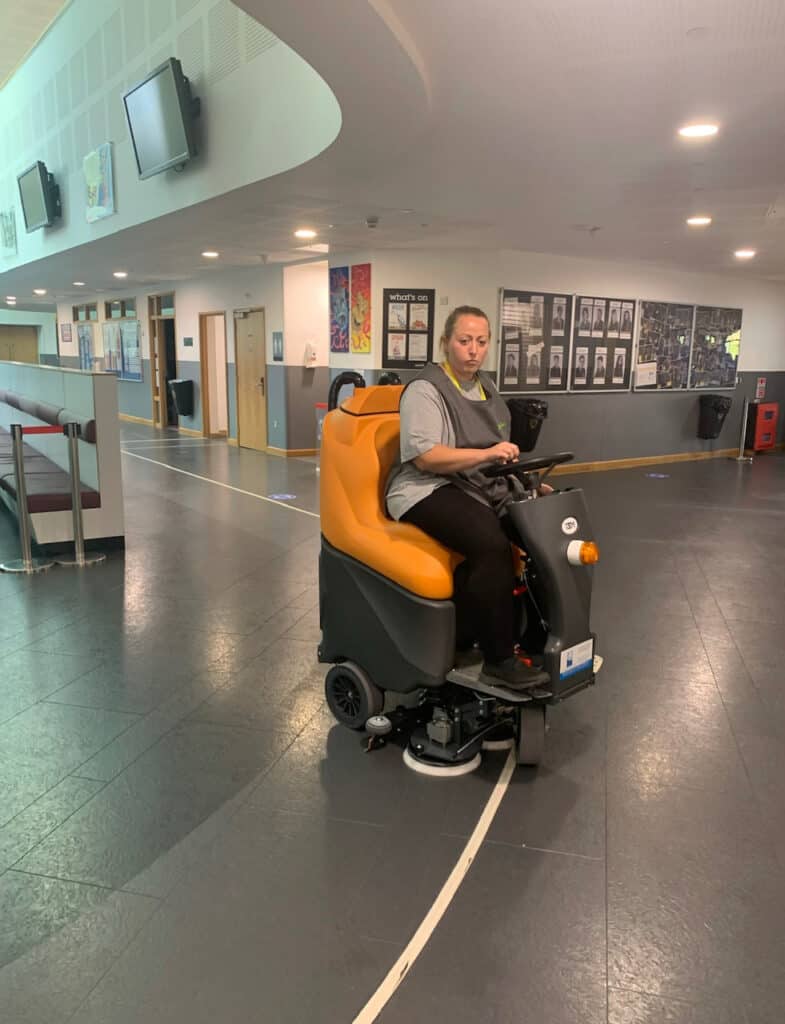
A good commercial cleaning company offering school cleaning services should offer the best equipment, to deliver the best results. This will of course come at a cost, which it is essential you consider the value being offered by any commercial cleaning company quoting for your school cleaning services, rather than simply the monthly fee. At Green Fox Cleaning, we offer the latest cleaning chemicals in dosage systems, massively reducing our plastic usage. Our investment in the latest cleaning machinery also ensures great results, day after day.
School cleaning services require investment in the latest technologies
We hope you have found this article on school cleaning services useful. Asking the right questions at the beginning of your search for a great commercial cleaning company will save you time in the long run.
With OFSTED inspections and the focus on the ability for you to be able to tackle any viral outbreaks, there really are no second chances or compromises when it comes to delivering the highest levels of cleanliness, day in, day out.
We are always assured that the processes and systematic routine that Green Fox Cleaning use when cleaning our school premises ensures a quality standard, not always easy in our location given the muddy footsteps bringing the outside in. We feel we have an excellent communication with both Green Fox Cleaning and our dedicated cleaning team. The standard of cleaning has been especially important in the past year, and we are extremely pleased with Green Fox Cleaning .
School Business Manager, West Sussex
We hope you have found this article on school cleaning services useful. You can click here to learn more about our School Cleaning services throughout Hampshire, West Sussex and East Sussex.
How to clean a vinyl office chair
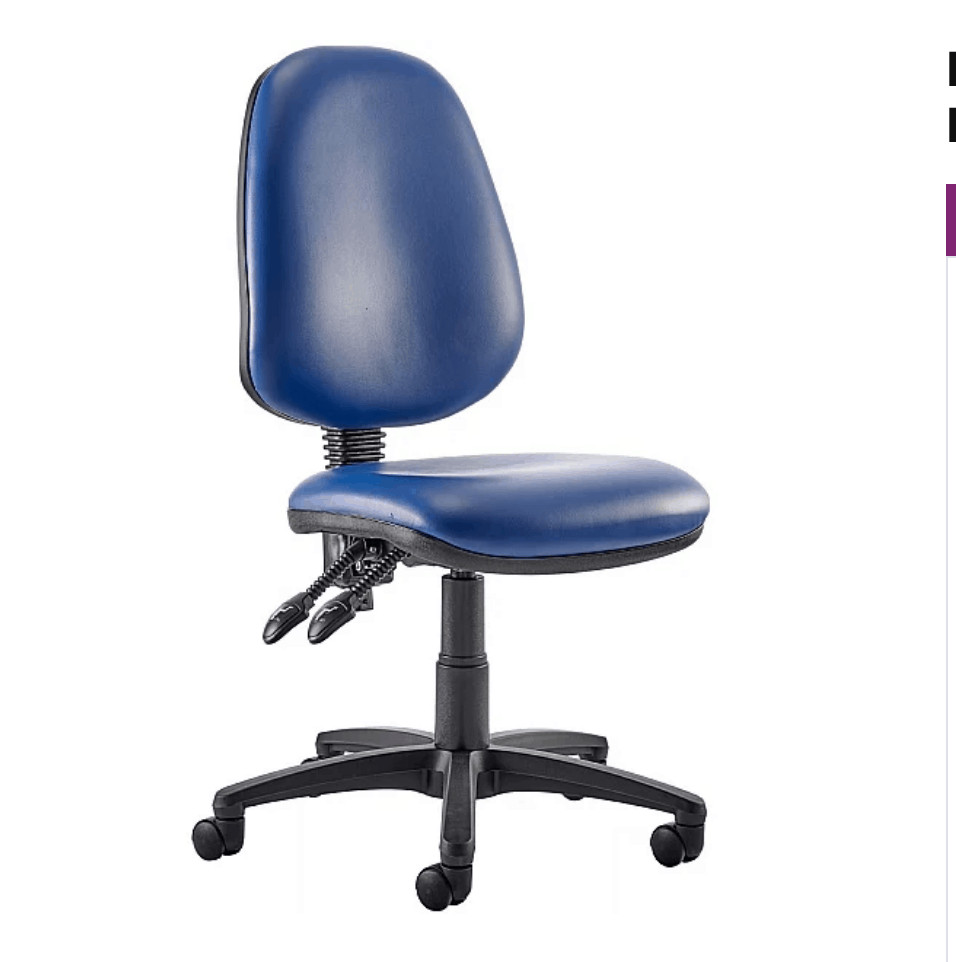
Office chairs come in many designs, colours and of course materials. Common options include fabric and leather, however vinyl chairs are still very common in both visitor chairs, and also desk office chairs. They are also a common site in doctors surgery waiting rooms.
The purpose of this short article is to teach you the how to clean a vinyl office chair in the most effective way, to keep it not only looking great visually, but also keep those germs and other nasties away from it.
Vinyl chairs come in a variety of styles and appearances in an office setting
Why choose vinyl office chairs?
The reason many of us select vinyl chairs is because offer a sturdy, durable seat while providing a rich look. One of the nice things about vinyl chairs is that they can easily be cleaned after use quickly unlike other materials such as mesh or fabric chairs that require more effort and time to remove spots or stains.
Because vinyl by its nature is more resistant to fluids, it doesn’t absorb liquids and stains like fabric does.
They are also very durable and will have a long life if cleaned and cared for correctly.
How to clean a vinyl office chair
Daily routine cleaning of a vinyl chair
A good commercial cleaning company will have knowledge of the best cleaning products and sanitisers to keep your chairs safe, especially in a multi user environment such as a medical waiting room.
For low risk cleaning, you can simply mix washing up liquid and warm water. Whilst a sanitister may be your preference to keep the chair as safe as possible, harsh chemical cleaners are not required for daily cleaning where there are no obvious stains that require deeper cleaning.
Using a soft bristle brush, you can scrub the vinyl to give it a good clean. Vinyl is a fairly strong product, so don't be afraid to apply a bit of pressure with a soft bristle brush. You can use a microfibre cloth or similar if you don't have a brush.
After you have completed this process, you want to wash the chair with clean water to remove any product residue, using a clean cloth. Make sure when wringing the cloth out that is runs clear. If there is any product still coming off the cloth, then repeat the process. Leaving product on your chair could cause damage over a long period of time.
To complete this process, you need to dry the chair using a dry cloth - patting it dry with a clean towel is a good choice. Vinyl furniture should not be left to "air dry."
This is the process to clean a vinyl office chair in terms of daily maintenance cleaning. We will now look at the best way to clean a vinyl office chair when looking to tackle stains.
How to clean a vinyl office chair to tackle stains
If you have stains or marks on your vinyl chairs, a different cleaning process is required to tackle them. The most straightforward stain removal option is as follows:
Baking soda & water - Sprinkle baking soda on a damp cloth and rub into furniture. After you have completed this process, as with the regular cleaning method you want to wash the chair with clean water to remove any product residue, using a clean cloth. Make sure when wringing the cloth out that is runs clear. If there is any product still coming off the cloth, then repeat the process. Leave the chair to air-dry after this process is completed.
We hope you have found this article on how to clean a vinyl office chair useful. The easiest way to keep your chairs and whole premises looking great is to engage the services of a professional cleaning company. Click here to learn more about Green Fox Cleaning, and how we can help improve the appearance of your business with ours.