We would love to hear from you, to discuss how our business can help yours. We would be delighted to visit your premises to provide a free no obligation quote, whether you are yet to employ a cleaning company, or if you are unhappy with your current one. You can either call us on 0333 050 1139 or fill in this form - We will call you back as soon as possible.
How to clean mould off honeycomb blinds - great 4 step guide
Table of Contents
How to clean mould off honeycomb blinds
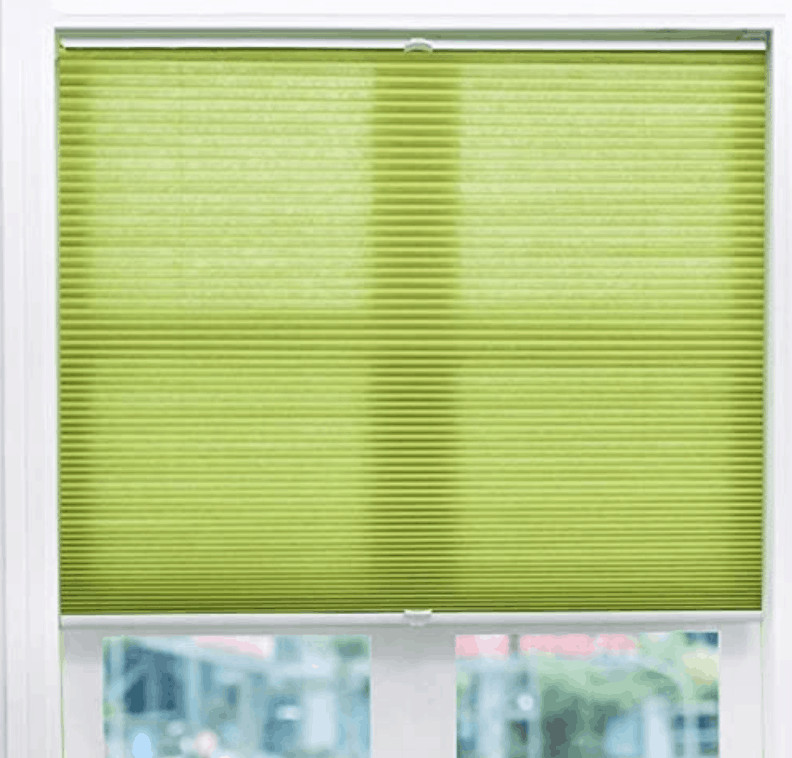
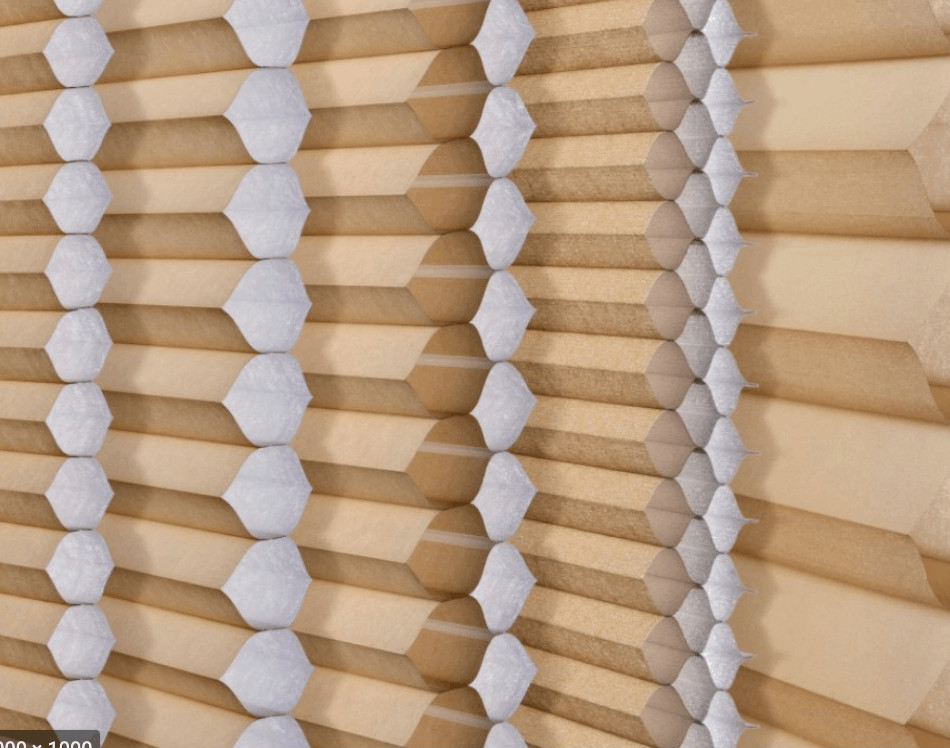
Honeycomb blinds (also known as cellular shades) are a popular choice for many businesses due to the advantages they offer — from better insulation to improved privacy and light control.
However, like any type of blind, they can gather dust, dirt and, in some cases, mould. Because of their unique honeycomb structure, cleaning them requires a little more care and attention than standard blinds.
Learn how to clean mould off honeycomb blinds
What are honeycomb blinds?
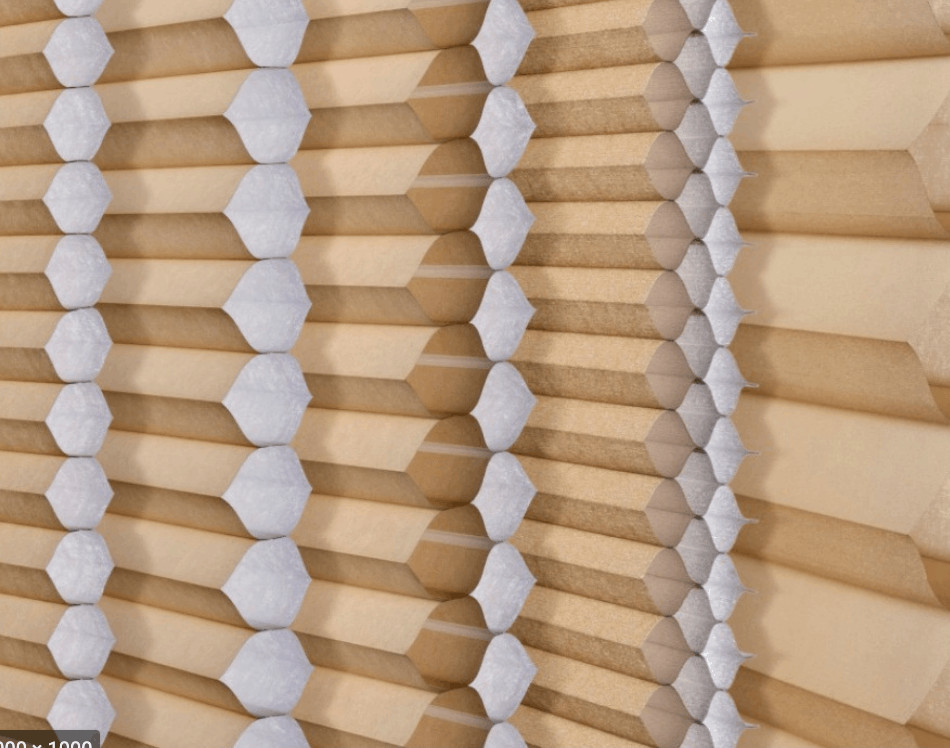
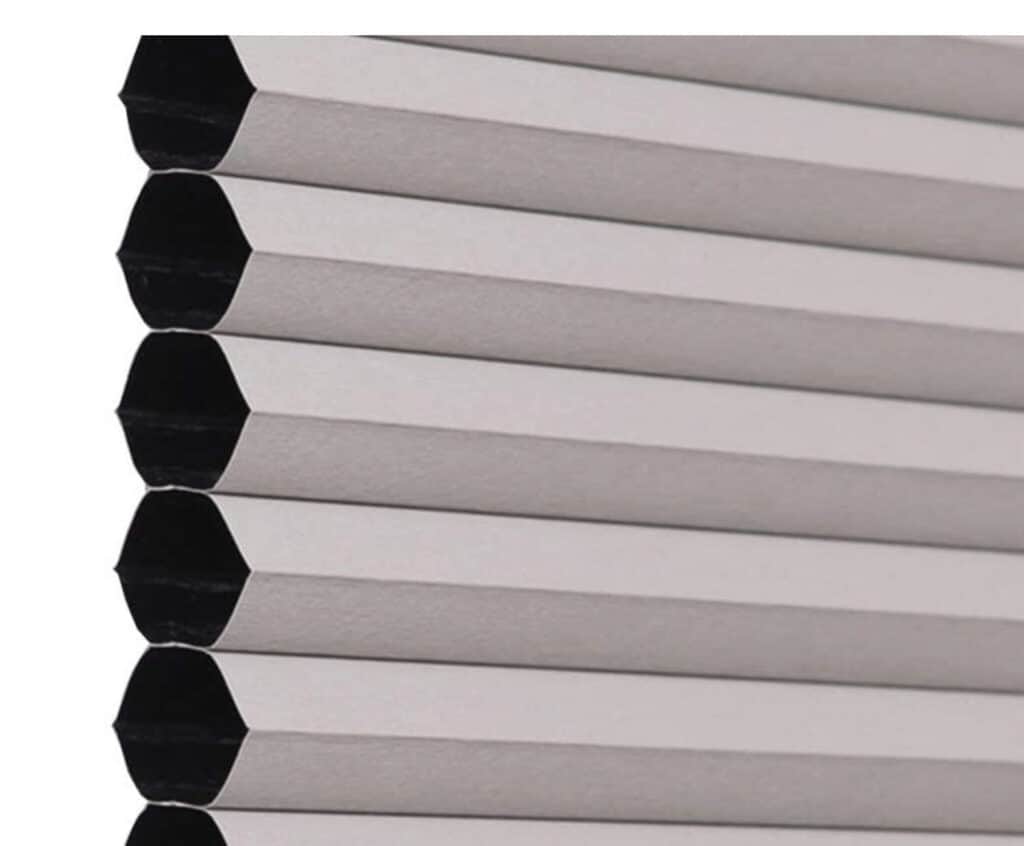
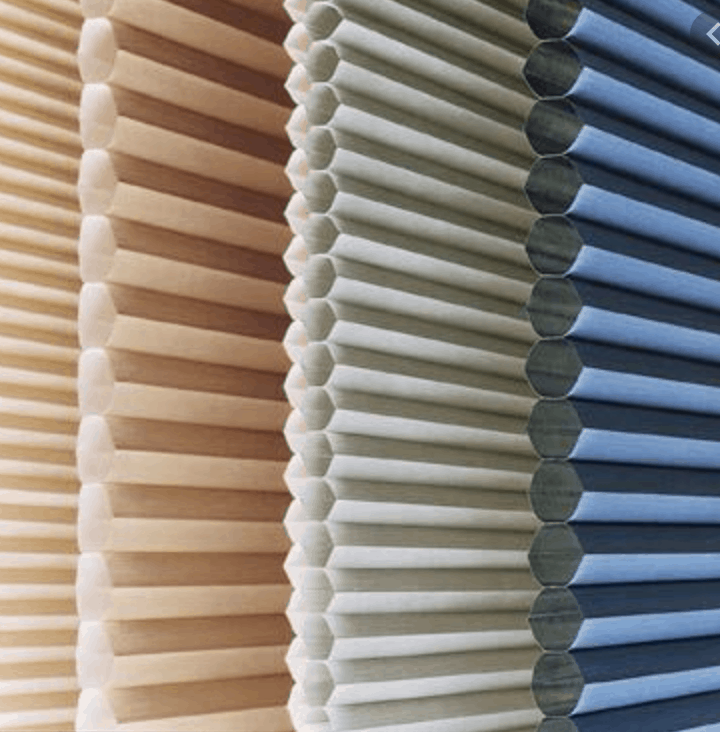
Honeycomb blinds are designed with a series of air pockets (cells) that help regulate temperature and reduce noise. This makes them ideal for offices, meeting rooms and other commercial spaces.
But the same structure that makes them energy‑efficient also makes them slightly trickier to clean. Dust, insects and moisture can become trapped inside the cells, and if left untreated, mould can develop — especially in humid or poorly ventilated areas.
Why mould forms on honeycomb blinds
Mould usually appears on honeycomb blinds for the same reason it shows up on window frames and curtains — moisture hangs around longer than it should. These blinds sit close to the glass, so if the room is a bit humid or the windows get a lot of condensation, the fabric can stay damp without you realising.
If the blinds are kept closed most of the time, the air can’t move through the cells properly, and that trapped moisture becomes the perfect place for mould to grow. It’s not that the blinds are poor quality — it’s simply how the honeycomb design works. A bit of airflow and regular light cleaning usually keeps the problem at bay.
Learn how to clean mould off honeycomb blinds
How to clean honeycomb blinds – daily maintenance
The daily and regular maintenance method to clean your honeycomb blinds is a simple four‑step process:
Step one – clean the frame and side tracks
Fill a bowl with warm water and washing‑up liquid.
Dampen a clean cloth and wipe the tracks and fittings from top to bottom.
Dry thoroughly with a clean cloth afterwards.
Step two – remove debris, dust and insects from the cells
The shape of honeycomb blinds makes the cells an attractive hiding place for insects and dust. Insects may crawl inside and die, and dust can settle deep within the structure.
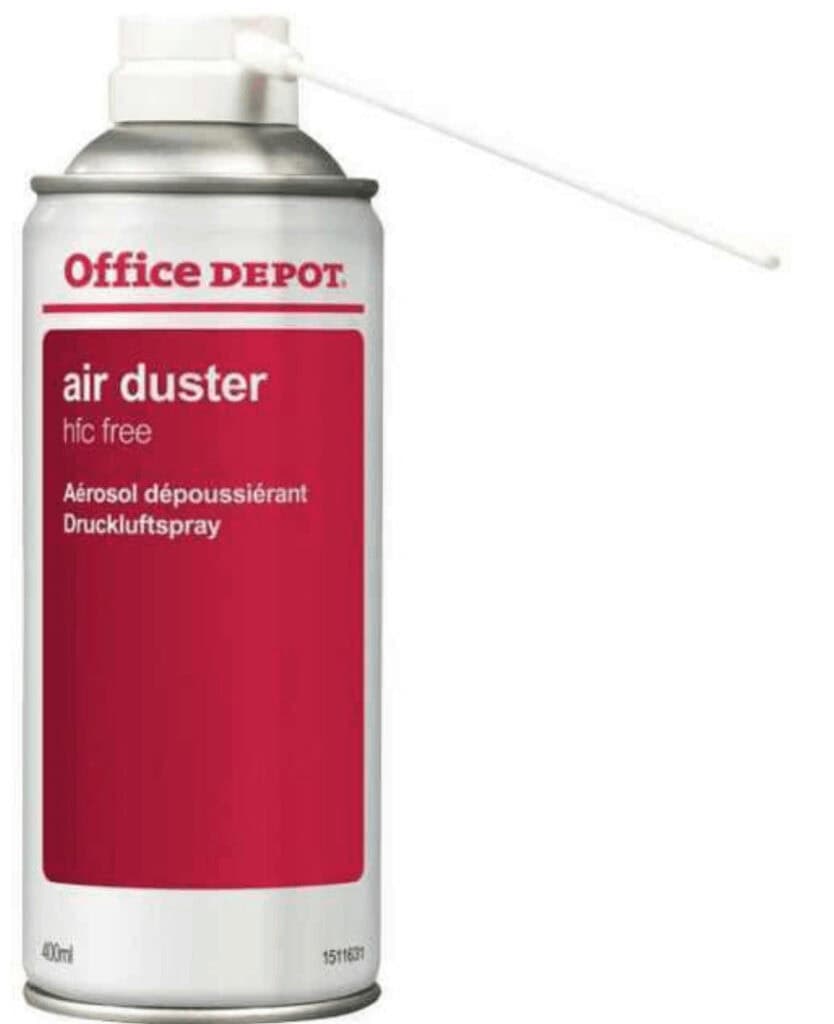
The easiest way to clean inside the cells is to use compressed air (an air duster).
Place a towel on the floor to catch debris, then blow through each cell to remove anything trapped inside.
If you don’t have compressed air, you can use a hairdryer — but only if it has a cool and low‑power setting.
An air duster is a great way to clean inside honeycomb blinds
Step three – use a microfibre cloth to clean the blind shades
Using a microfibre cloth or feather duster, gently wipe the shades from side to side, starting at the top and working downwards. This ensures any dislodged dust falls down and is removed as you go.
Microfibre cloths are ideal because they attract dust rather than simply pushing it around.
Step four – vacuum the blind shades
Using a vacuum cleaner with a soft brush attachment, repeat the same side‑to‑side motion from top to bottom.
This removes any remaining dust and leaves the blinds looking fresh.
How to remove mould from honeycomb blinds
Sometimes regular cleaning isn’t enough — especially if mould has started to appear. The good news is that removing mould from honeycomb blinds is straightforward.
Use this simple mould‑removal solution:
½ cup white distilled vinegar
½ cup water
Dampen a cloth with the solution and gently wipe the affected areas.
After cleaning, expose the blinds to bright sunlight until fully dry.
Repeat if needed.
Sunlight helps kill remaining mould spores and prevents regrowth.
When should you replace mouldy honeycomb blinds?
Most of the time, you can clean mould off honeycomb blinds without too much trouble. But there are situations where cleaning won’t fully solve it. If the mould has been sitting there for a long time, it can work its way deeper into the fabric or into the cells where you can’t reach it.
You might also notice the material has started to stain permanently, or the blinds still smell musty even after you’ve cleaned them. When that happens, it’s usually a sign that the blinds have reached the end of their life. At that point, replacing them is often easier — and cheaper — than trying to rescue them again and again.
How to prevent mould returning
Once you’ve cleaned the blinds, the real trick is stopping the mould from coming back. A bit of ventilation goes a long way — even opening the blinds during the day helps air move through the cells. If your windows tend to get a lot of condensation, wiping them down in the morning or using a small dehumidifier can make a big difference.
Try not to leave the blinds pressed tightly against damp glass, and give them a quick dust every week or two. These small habits keep moisture from settling and make it much less likely that mould will return.
In summary
We hope you’ve found this guide on how to clean mould off honeycomb blinds useful. With regular maintenance and the right cleaning method, you can keep your blinds looking fresh and extend their lifespan.
Green Fox Cleaning provide commercial cleaning services to businesses of all sizes and in all sectors. Click here to learn how we can help improve the appearance of your business with ours.