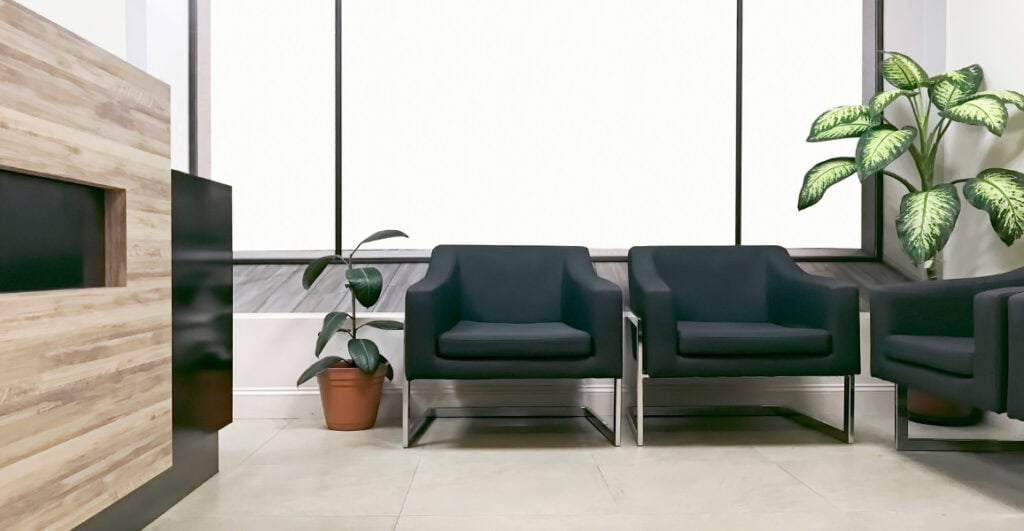
If there’s one area of a medical building that quietly shapes the entire patient experience, it’s the waiting room. People arrive anxious, unwell, tired, or worried about a diagnosis, and the first thing they notice is the environment around them. A clean waiting room doesn’t just look professional — it reassures patients that the practice takes hygiene seriously. And in healthcare settings, that reassurance matters.
At Green Fox Cleaning, we’ve cleaned waiting rooms in GP surgeries, dental practices, physiotherapy clinics and specialist treatment centres. Each one has its own rhythm. Some are calm and steady throughout the day; others feel like a conveyor belt of patients moving in and out. What they all have in common is the need for consistent, structured cleaning that reduces infection risk without disrupting the flow of the building.
(Healthcare & Medical Cleaning Complete Guide For Businesses)
Why waiting rooms are high‑risk areas
Waiting rooms are deceptively busy. Even when they look calm, the surfaces tell a different story. Chairs, armrests, door handles, check‑in screens, pens, children’s toys, magazines — everything is touched repeatedly. During winter months, when respiratory illnesses spike, these areas become hotspots for germ transmission.
We’ve taken over sites where the waiting room looked tidy but wasn’t being disinfected properly. Once we introduced a structured routine, staff noticed fewer complaints about cleanliness and the space felt noticeably fresher.
(How to Prevent Cross‑Contamination in Medical Settings)
Start with the surfaces patients touch most
In waiting rooms, the most important surfaces aren’t always the most obvious ones. Armrests, chair backs, door handles and check‑in screens are touched constantly. We’ve cleaned waiting rooms where the chairs were spotless but the armrests were sticky — and that’s exactly where germs spread.
A safe cleaning routine focuses on these high‑touch areas first. When they’re cleaned consistently, infection risk drops significantly.
Reception desks need special attention
Reception desks are the nerve centre of most medical buildings. Patients lean on them, hand over documents, tap card machines and sign forms. Staff touch the same surfaces hundreds of times a day. We’ve supported surgeries where tightening the reception cleaning routine reduced illness among staff during busy winter periods.
Card machines, pens, counters and screens all need regular disinfection. It’s a small detail, but it makes a big difference.
(Daily Cleaning Checklist for GP Surgeries & Clinics)
Use the right products — and use them properly
One of the biggest issues we see in waiting rooms is the misuse of disinfectants. A product is sprayed, wiped instantly, and the surface looks clean — but it hasn’t been disinfected at all. Every disinfectant has a required contact time, and if it’s not respected, germs remain.
We’ve trained teams who were unknowingly wiping away disinfectant before it had time to work. Once corrected, the hygiene level of the waiting room improved immediately.
(The Importance of Correct Chemical Contact Times in Medical Environments)
Colour‑coding prevents cross‑contamination
Waiting rooms sit between clinical and non‑clinical areas, which makes colour‑coding essential. Cloths used here should never be used in treatment rooms or washrooms. We’ve taken over contracts where colour‑coding wasn’t being followed consistently, and the risk of cross‑contamination was far higher than staff realised.
Once a clear system was introduced, the cleaning routine became safer and more efficient.
(Why Colour‑Coding Matters in Healthcare Cleaning)
Floors carry more than just dirt
Floors in waiting rooms collect everything — dust, debris from shoes, spilled drinks, and anything patients bring in from outside. Even though floors aren’t the highest‑risk surfaces, they still play a role in infection control. A clean floor also changes how the entire room feels.
We’ve cleaned waiting rooms where the biggest visual improvement came from simply vacuuming or mopping more consistently. It lifted the whole space.
Children’s areas need extra care
If the waiting room includes a children’s corner, the cleaning routine needs to adapt. Toys, books and play equipment are handled constantly and often end up in children’s mouths. We’ve supported clinics where illness was spreading unusually fast, and the solution started with cleaning the toys more frequently.
In‑hours cleaning keeps waiting rooms safe throughout the day
Some waiting rooms need more than an end‑of‑day clean. In busy surgeries, a midday refresh can make a huge difference. We’ve worked with clinics where a quick lunchtime wipe‑down of chairs, armrests and touchpoints reduced the spread of germs during peak times.
In‑hours cleaning works best when cleaners are trained specifically for medical environments and understand how to work around patients discreetly.
(Why DBS‑Checked Cleaners Are Essential in Healthcare Settings)
A clean waiting room supports CQC compliance
CQC inspectors pay close attention to waiting rooms because they’re the first point of contact for patients. They look at cleanliness, documentation and whether the cleaning routine is structured. A well‑maintained waiting room sends a strong message about the practice’s overall standards.
(What Are CQC Cleaning Requirements?)
A safer waiting room starts with consistent cleaning
When waiting rooms are cleaned properly, patients feel reassured, staff feel supported and the whole building benefits from reduced infection risk. It’s one of the simplest ways to improve both hygiene and patient experience.
If you’d like to learn more about how we support healthcare providers across the UK, you can visit our healthcare cleaning page here:
👉 Healthcare And Medical Cleaning Service