We would love to hear from you, to discuss how our business can help yours. We would be delighted to visit your premises to provide a free no obligation quote, whether you are yet to employ a cleaning company, or if you are unhappy with your current one. You can either call us on 0333 050 1139 or fill in this form - We will call you back as soon as possible.
Vinegar to water ratio for cleaning floors ( Get the correct ratio and great results )
Table of Contents
More and more of us are looking for chemical‑free ways to clean our hard floors at home and at work. But even when we want to switch to natural products, it’s not always obvious what the best options are — or how to use them properly.
Understanding the correct vinegar to water ratio for cleaning floors is a simple way to change the way you clean, reduce chemical use and do your bit for the environment.
White vinegar is one of those everyday products that has far more uses than most people realise. It’s cheap, easy to find and surprisingly effective.
As one of the most easily manufactured mild acids, vinegar has been used for centuries in both industrial and domestic settings — including as a reliable household cleaner.
Those three factors — readily available, inexpensive and safe — make it a great addition to your cleaning cupboard.
Do you know the correct vinegar to water ratio for cleaning floors?
Vinegar to water ratio for cleaning floors
What is the correct vinegar to water ratio for cleaning floors?
To make the ideal floor‑cleaning solution, mix:
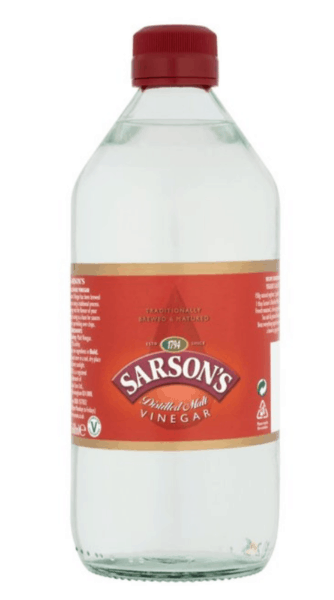
½ cup of distilled white vinegar per 4 litres of water
Give it a good stir and you’re ready to go.
If you’re not a fan of the vinegar smell, you can add 20–30 drops of essential oil (lemon, lavender or eucalyptus work well). This is optional, but it does soften the scent nicely.
What floors can the cleaner be used on?
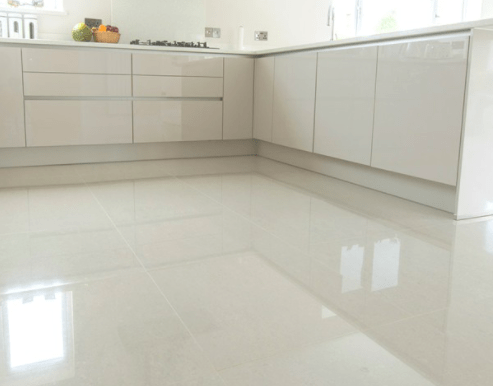
Vinegar can be used on almost all hard‑surface floors, including:
Tiled floors
Laminate flooring
Vinyl
Sealed wood
Stone (as long as it’s sealed)
It’s also handy for freshening up carpets — more on that shortly.
Distilled white vinegar is a surprisingly versatile cleaning product, and when diluted correctly, it’s gentle enough for everyday use.
When should you not use vinegar?
Although vinegar works well on most hard floors, there are a few exceptions. If your floor is made from natural stone such as marble, limestone or travertine, vinegar isn’t the best choice. The acid can slowly dull the surface over time.
If you’re unsure what your floor is made from, check with the manufacturer or test a tiny amount in a hidden corner first. A quick check now saves a lot of hassle later.
How to clean your hard floors using the vinegar mixture
Follow this simple four‑step process to get great results every time:
1. Vacuum the floor thoroughly
Removing dust and grit is essential — especially on hardwood floors. Anything sharp left on the surface can scratch the floor as you mop.
2. Mix your vinegar solution
Use the ratio above to make your cleaning mixture.
3. Mop using a damp (not wet) mop
This is where many people go wrong. Too much water can damage floors, especially wood. Wring the mop out well so it’s only damp.
4. Leave the floor to dry naturally
If your mop wasn’t too wet, the floor should dry fairly quickly.
Follow these steps and you’ll get a clean, streak‑free finish every time.
TOP TIP FOR CARPETS!
A diluted vinegar solution can help freshen carpets that don’t smell their best.
Mix the following in a spray bottle:
1 teaspoon baking soda
1 tablespoon white vinegar
2 cups warm water
Let the fizzing settle, then lightly mist the carpet.
It’s a simple way to neutralise odours without using heavy chemicals.
Why vinegar works so well
Vinegar cuts through grease, lifts light stains and helps break down the dulling film that builds up from everyday foot traffic. Because it evaporates quickly, it doesn’t leave streaks behind — which is why so many people swear by it for shiny floors.
It’s also a good option for anyone sensitive to strong cleaning chemicals, and it’s kinder to the environment than most commercial products.
In summary
We hope you now feel confident about the correct vinegar to water ratio for cleaning floors — and maybe even freshening up your carpets too.
If this article has sparked your interest in vinegar, you can learn more about its uses by clicking here.
The easiest way to keep your hard floors looking great at home is to hire a domestic cleaning company with experienced cleaners who understand how to care for all surfaces.