Walk into any school and you’ll notice something straight away: the carpets work harder than almost anything else in the building. They absorb the daily stampede of students, the mud from the playground, the crumbs from breaktime snacks, the glitter from art lessons and the occasional spill that nobody quite remembers happening. Over time, carpets in schools don’t just get dirty — they become a record of everything that’s happened in that room.
At Green Fox Cleaning, we’ve cleaned carpets in schools where the transformation has been so dramatic that staff genuinely thought we’d replaced them. The truth is that school carpets can stay in excellent condition for years, but only if they’re cared for properly. High‑traffic areas need a different approach, and that’s what this guide is all about.
(Educational Cleaning Service: Complete Guide)
Why school carpets get dirty so quickly
Carpets in educational settings face challenges that most commercial buildings never experience. Hundreds of shoes cross the same patch of flooring every day. Younger children sit, crawl and play on the carpet, often bringing half the playground in with them. In secondary schools, corridors and sixth‑form areas see constant movement between lessons, and carpets take the brunt of it.
We’ve seen carpets that looked worn simply because dirt had compacted deep into the fibres. Once cleaned properly, the original colour reappeared, and the room felt brighter instantly. Dirt doesn’t just sit on the surface — it embeds itself, and that’s why regular maintenance matters.
Daily vacuuming isn’t optional
Vacuuming is the first line of defence. When it’s done properly — slowly, methodically and with the right equipment — it removes the grit and debris that cause long‑term damage. We’ve taken over sites where vacuuming was rushed or inconsistent, and the carpets aged far faster than they should have.
In classrooms, daily vacuuming keeps the space feeling fresh and reduces allergens. In corridors, it prevents dirt from being dragged into other areas. And in nurseries, where children spend a lot of time on the floor, it’s essential for hygiene.
(How to Reduce Germ Spread in Classrooms)
Spot cleaning makes a huge difference
Spills happen — especially in primary schools. Juice, paint, glue, felt‑tip pens, mud, you name it. The key is dealing with them quickly. A small spill that’s cleaned immediately rarely leaves a mark. Leave it until the end of the day, and it becomes a stain that’s far harder to remove.
We’ve seen classrooms where a simple spot‑cleaning routine prevented long‑term staining and kept carpets looking newer for longer. It doesn’t need to be complicated; it just needs to be consistent.
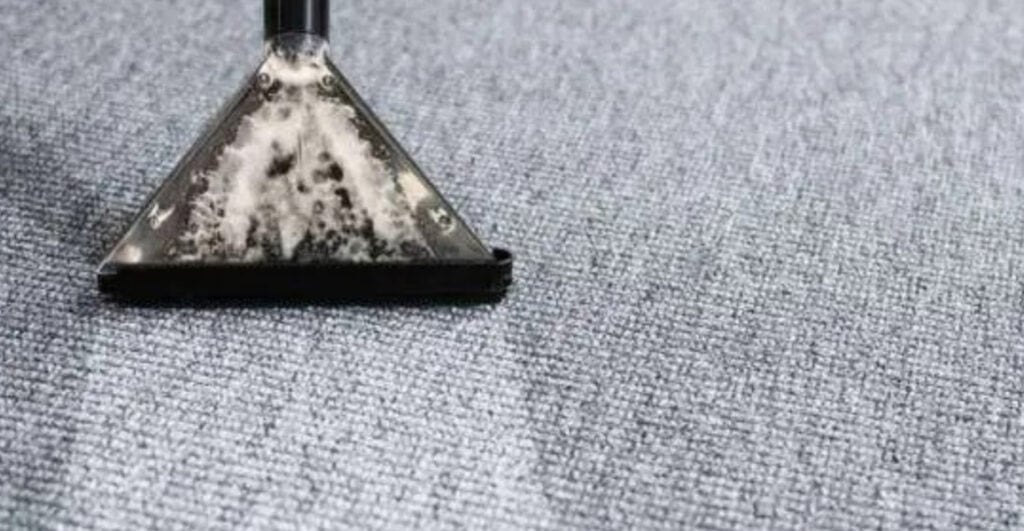
Deep cleaning is where the real transformation happens
Daily vacuuming keeps carpets ticking over, but deep cleaning is what restores them. Most schools benefit from a full carpet clean at least once or twice a year — usually during half‑term or the summer holidays when the building is quieter.
Deep cleaning removes:
- embedded dirt
- allergens
- bacteria
- odours
- stains that vacuuming can’t touch
We’ve cleaned carpets that hadn’t been deep‑cleaned in years, and the difference was immediate. The room felt brighter, fresher and noticeably cleaner.
(How Often Should a School Be Deep Cleaned?)
High‑traffic areas need extra attention
Corridors, entrances and stairwells are the hardest‑working parts of any school. They’re also the areas that deteriorate fastest if not cleaned properly. We often recommend more frequent vacuuming in these spaces, along with periodic spot cleaning and targeted deep cleaning.
One school we worked with introduced a simple change: vacuuming the main corridor twice a day instead of once. The difference in cleanliness — and the reduction in dirt being dragged into classrooms — was noticeable within a week.
Use the right equipment and products
Not all vacuums are created equal. Schools need machines that can cope with heavy use and extract dirt from deep within the fibres. We’ve seen carpets cleaned with equipment that simply wasn’t powerful enough, and the results were predictable — the surface looked tidy, but the dirt remained underneath.
The same applies to cleaning products. Using the wrong solution can damage fibres or leave residue that attracts more dirt. Professional cleaners know which products work best for different carpet types, and that knowledge protects the carpet long‑term.
Why clean carpets matter in schools
Clean carpets aren’t just about appearance. They affect:
- air quality
- student wellbeing
- allergen levels
- the overall feel of the classroom
- how parents and visitors perceive the school
We’ve seen schools where clean carpets made classrooms feel calmer and more inviting. When the environment feels cared for, students respond to it.
(What Are the Dirtiest Areas in Schools?)
How Green Fox Cleaning keeps school carpets in top condition
We don’t take a one‑size‑fits‑all approach. Every school has different flooring, different traffic patterns and different challenges. When we take on a new site, we assess the carpets, identify high‑risk areas and build a cleaning plan that keeps them looking their best.
Our teams use professional equipment, child‑safe products and techniques developed specifically for educational environments. Whether it’s daily maintenance or a full deep clean, we make sure carpets stay hygienic, safe and presentable.
A cleaner carpet means a healthier school
When carpets are cared for properly, the whole building benefits. Classrooms feel fresher, allergens drop, and the school looks more welcoming. It’s one of the simplest ways to improve the learning environment.
If you’d like to learn more about how we support schools across the UK, you can visit our educational cleaning page here:
👉 Educational Cleaning Service