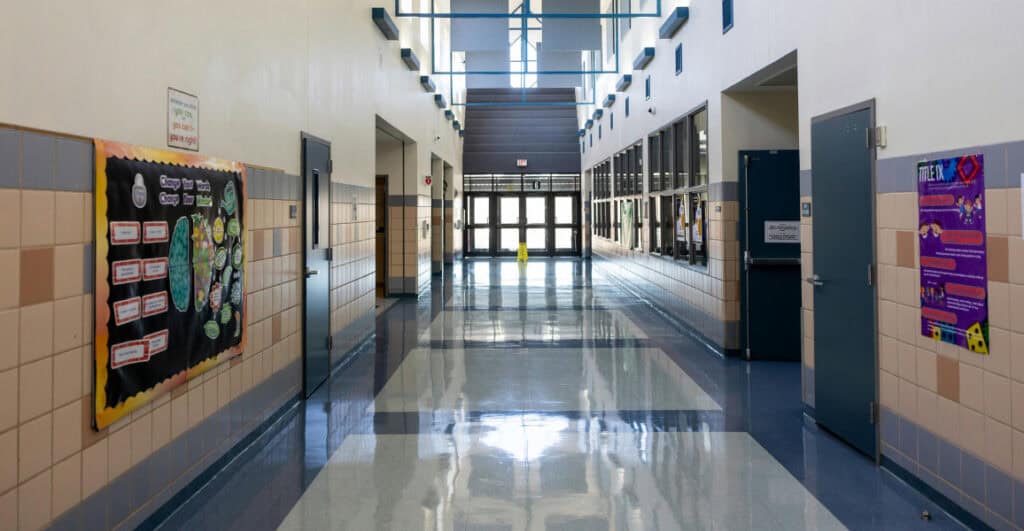
If you’ve ever walked through a school during the last week of term, you’ll know exactly why deep cleaning matters. The carpets have absorbed a full season of muddy shoes, the toilets have worked overtime, the classrooms have collected layers of dust in places nobody notices until the sun hits them at the wrong angle, and the canteen floor has seen more spills than anyone cares to admit. Daily cleaning keeps things ticking over, but deep cleaning is what resets the building.
At Green Fox Cleaning, we’ve carried out deep cleans in schools of every size — from small village primaries to large multi‑building secondary schools. One thing we’ve learned is that the timing of deep cleans is just as important as the cleaning itself. When they’re done at the right intervals, the whole school feels fresher, healthier and easier to maintain.
(Educational Cleaning Service: Complete Guide)
Why deep cleaning is essential in schools
Schools are high‑traffic environments. Hundreds of students move through the same spaces every day, and dirt builds up in ways that daily cleaning simply can’t address. Dust settles on high ledges, carpets trap allergens, and hard‑to‑reach areas quietly accumulate grime.
We’ve seen schools where deep cleaning was overdue by years, and the difference after a proper reset was remarkable. Classrooms felt brighter, corridors smelled fresher and staff commented that the building felt “lighter”. Deep cleaning isn’t a luxury — it’s part of maintaining a healthy learning environment.
(What Are the Dirtiest Areas in Schools?)
How often should deep cleaning happen?
Most schools benefit from deep cleaning three times a year, aligned with the natural rhythm of the academic calendar:
1. Summer deep clean (the big one)
This is the most comprehensive clean of the year. With the building empty, cleaners can move furniture, access high‑level areas and tackle tasks that aren’t possible during term time. We’ve completed summer deep cleans where classrooms looked almost new by the time staff returned in September.
2. Christmas deep clean
The winter term is long, busy and often full of seasonal illnesses. A deep clean over Christmas helps reset carpets, toilets, canteens and communal areas before the new term begins.
3. Easter deep clean
By spring, carpets and floors have taken a beating from months of wet weather. Easter is the perfect time to refresh high‑traffic areas and prepare the school for the final term.
Some schools also request half‑term mini deep cleans, especially if they have heavy footfall or specialist areas like science labs or sports halls that need more frequent attention.
(Best Cleaning Schedule for Schools)
What’s included in a school deep clean?
Deep cleaning goes far beyond the daily routine. It typically includes:
- Carpet cleaning
- Floor stripping and sealing
- High‑level dusting
- Deep cleaning of toilets and washrooms
- Kitchen and canteen deep cleaning
- Sports hall floor maintenance
- Window cleaning
- Furniture cleaning and repositioning
We’ve carried out deep cleans where the carpets alone made the biggest difference. Once the embedded dirt was removed, the entire room felt brighter and more inviting.
(How to Keep School Carpets Clean)
(Eco Friendly Cleaning In Schools)
Signs your school needs a deep clean sooner than planned
Even with a good schedule, some schools reach a point where a deep clean is needed earlier. Common signs include:
- Persistent odours in classrooms or corridors
- Carpets looking dull even after vacuuming
- Toilets that feel “tired” despite daily cleaning
- Dust returning quickly after cleaning
- Sticky floors in canteens or sports halls
- Complaints from staff or students about cleanliness
We’ve been called into schools mid‑term where illness was spreading unusually fast. A targeted deep clean of touchpoints, carpets and toilets helped break the cycle.
(How to Reduce Germ Spread in Classrooms)
Deep cleaning and infection control
Deep cleaning plays a major role in reducing illness. When carpets, soft furnishings and high‑touch areas are properly cleaned, bacteria and allergens drop significantly. This is especially important in early‑years settings, where children spend more time on the floor and share resources constantly.
We’ve supported schools during outbreaks of flu, norovirus and strep, and deep cleaning has always been part of the solution. It resets the environment and helps stop germs spreadi(How to Clean Nursery Toys Safely)
Why professional deep cleaning matters
Deep cleaning isn’t just “more cleaning”. It requires:
- specialist equipment
- trained staff
- the right products
- knowledge of school environments
- safeguarding awareness
- the ability to work efficiently during holidays
We’ve taken over sites where deep cleaning had been attempted in‑house, and the results were mixed. Without the right tools and experience, it’s easy to miss areas or use products incorrectly.
(Why DBS‑Checked Cleaners Are Essential in Schools)
How Green Fox Cleaning handles school deep cleans
When we carry out a deep clean, we start by walking the building with the site manager. We identify high‑risk areas, flooring types, ventilation issues and any concerns staff have raised. Then we build a plan that fits the school’s timetable and budget.
Our teams use professional equipment, child‑safe products and methods developed specifically for educational settings. Whether it’s a full summer deep clean or a targeted mid‑term refresh, we make sure the school is ready for the next phase of the year.
A well‑timed deep clean keeps your school healthy and welcoming
Deep cleaning isn’t just about appearance — it’s about creating a safe, healthy environment where students and staff can thrive. When it’s done regularly and properly, the whole school feels the benefit.
If you’d like to learn more about how we support schools across the UK, you can visit our educational cleaning page here:
👉 Educational Cleaning Service