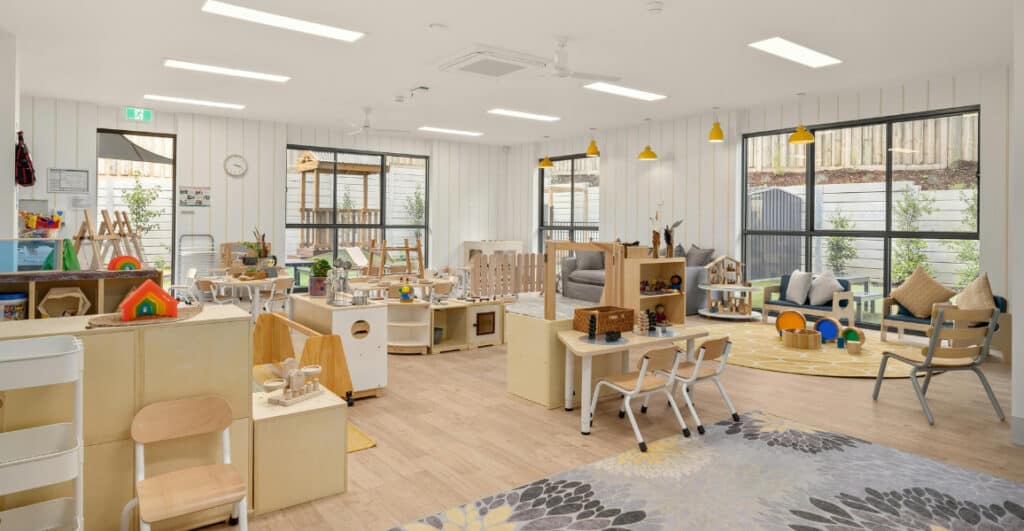
Walk into any nursery classroom and you’ll see immediately why toy cleaning matters. Everything is shared, everything is touched, and everything ends up in places you’d never expect. Toys are dropped, chewed, cuddled, sneezed on, rolled across the floor and passed from child to child in a matter of seconds. It’s part of what makes early‑years settings so lively — but it also makes them one of the highest‑risk environments for germ spread.
At Green Fox Cleaning, we’ve worked in nurseries where the toy shelves were busier than the classrooms themselves. We’ve seen soft toys that had absorbed months of enthusiastic play, building blocks that had travelled through every corner of the room, and sensory toys that needed more attention than staff had time to give. Cleaning toys safely isn’t just about hygiene; it’s about protecting the youngest children, who are naturally more vulnerable to illness.
(Educational Cleaning Service: Complete Guide)
Why toy cleaning is so important in early‑years settings
Nursery‑aged children explore the world with their hands — and often their mouths. They share toys constantly, and they don’t yet have the habits older children develop, like covering coughs or washing hands properly. This means germs spread quickly, especially during colder months when colds and stomach bugs are more common.
We’ve supported nurseries where illness was circulating far more than usual, and the solution often started with the toys. Once a proper cleaning routine was introduced, the number of sick days dropped noticeably.
(How to Reduce Germ Spread in Classrooms)
Cleaning toys without harsh chemicals
One of the biggest concerns in nurseries is the use of strong chemicals. Young children have sensitive skin, developing immune systems and a tendency to put things in their mouths. That’s why nurseries need cleaning methods that are effective but gentle.
We’ve tested countless products over the years, and the best ones strike a balance: strong enough to remove bacteria, but safe enough for early‑years environments. Many nurseries are surprised to learn that they don’t need harsh disinfectants for everyday toy cleaning — the right child‑safe products work extremely well.
Hard toys vs soft toys: different approaches
Hard toys like building blocks, plastic figures and puzzles are usually the easiest to clean. They can be wiped down with a child‑safe disinfectant, ensuring the product stays on the surface long enough to work. The biggest mistake we see is wiping toys too quickly, which stops the disinfectant from doing its job.
Soft toys are a different story. They absorb everything — dust, saliva, spills and allergens. We’ve cleaned nurseries where soft toys were washed so infrequently that they became a hidden source of germs. Most soft toys can be machine‑washed, and doing this regularly keeps them safe and fresh.
(What Are Cleaning Chemical Contact Times?)
Sensory toys need special attention
Sensory toys are some of the most loved items in a nursery, but they’re also some of the hardest to clean. Textured surfaces, grooves, fabrics and moving parts all trap dirt. We’ve worked with nurseries where sensory toys were cleaned less often simply because staff weren’t sure how to do it safely.
The key is understanding the material. Some sensory toys can be wiped, others need soaking, and some require specialist cleaning. When in doubt, manufacturers’ guidance is essential — and we always check this before cleaning anything unusual.
How often should nursery toys be cleaned?
There’s no single rule that fits every nursery, but we’ve found a rhythm that works well in most settings:
- Daily: Wipe down high‑use toys
- Weekly: Clean full sets of toys on rotation
- Monthly: Deep clean soft toys and sensory items
- Immediately: Clean any toy that’s been mouthed, dropped in a toilet, or visibly soiled
We’ve seen nurseries adopt this routine and notice a clear improvement in hygiene and illness levels.
(Best Cleaning Schedule for Schools)
Avoiding cross‑contamination when cleaning toys
Cross‑contamination is one of the biggest risks in toy cleaning. Using the same cloth for toys, tables and toilets is a recipe for germs spreading. Colour‑coding cloths and using disposable options in high‑risk areas helps prevent this.
We’ve taken over sites where toys were being cleaned with cloths that had been used elsewhere in the building. Once we introduced proper colour‑coding and training, the hygiene levels improved immediately.
(Microfibre or Disposable Cloths?)
Eco‑friendly toy cleaning
Many nurseries want to reduce chemical use, and toy cleaning is a great place to start. Child‑safe, eco‑friendly products are widely available now, and microfibre cloths reduce the need for strong chemicals.
We’ve supported nurseries that switched to greener cleaning methods and saw improvements in both hygiene and the overall feel of the room. The air felt fresher, and toys didn’t have that “chemical smell” that sometimes lingers after cleaning.
(Eco‑Friendly Cleaning in Schools)
How Green Fox Cleaning supports nurseries with safe toy cleaning
We understand how delicate early‑years environments are. Our teams are trained to clean toys safely, using child‑friendly products and methods that protect both hygiene and materials. We work with nurseries to create toy‑cleaning schedules that fit their routines, ensuring toys stay safe without disrupting learning or play.
We’ve cleaned everything from soft‑play equipment to sensory rooms, and we always adapt our approach to the needs of the children and the setting.
Clean toys mean healthier children
When toys are cleaned properly, nurseries see fewer illnesses, calmer classrooms and happier children. It’s one of the simplest ways to protect young learners and create a safe, welcoming environment.
If you’d like to learn more about how we support nurseries and schools across the UK, you can visit our educational cleaning page here:
👉 Educational Cleaning Service